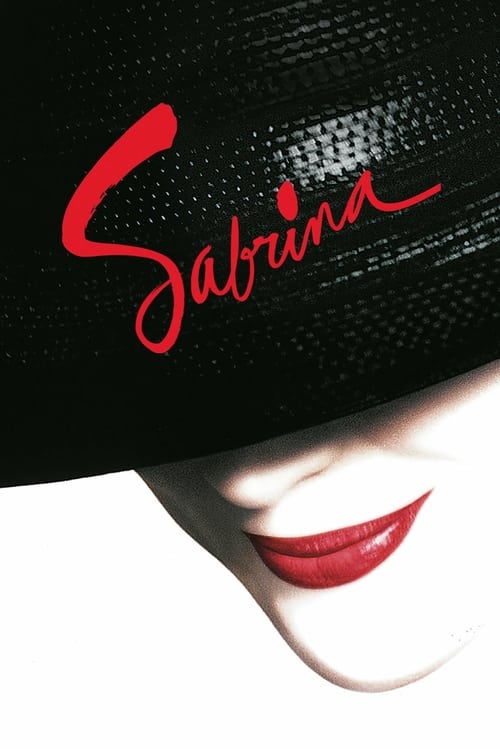
Sabrina
Sabrina Fairchild, a chauffeur's daughter, grew up at the Long Island estate of the wealthy Larrabee family enchanted with their sparkling world of privilege and wealth, but she's especially enamored of younger son David, a charming playboy. After the once plain Sabrina returns from a sojourn in Paris transformed into a glamorous young woman, she at long last catches David's eye. In a calculated effort to manipulate David away from her and into a more financially advantageous marriage, formidable older brother Linus devises a plan to keep them apart.
The film struggled financially against its moderate budget of $58.0M, earning $53.7M globally (-7% loss).
Nominated for 2 Oscars. 2 wins & 6 nominations


Plot Structure
Story beats plotted across runtime


Narrative Arc
Emotional journey through the story's key moments
Story Circle
Blueprint 15-beat structure
Arcplot Score Breakdown
Weighted: Precision (70%) + Arc (15%) + Theme (15%)
Sabrina (1995) exhibits deliberately positioned plot construction, characteristic of Sydney Pollack's storytelling approach. This structural analysis examines how the film's 15-point plot structure maps to proven narrative frameworks across 2 hours and 7 minutes. With an Arcplot score of 6.7, the film balances conventional beats with creative variation.
Characters
Cast & narrative archetypes

Sabrina Fairchild
Linus Larrabee
David Larrabee
Maude Larrabee
John Fairchild
Main Cast & Characters
Sabrina Fairchild
Played by Julia Ormond
The chauffeur's daughter who transforms from an infatuated girl into a sophisticated woman after discovering herself in Paris.
Linus Larrabee
Played by Harrison Ford
The elder Larrabee brother, a workaholic business tycoon who initially sees Sabrina as a business obstacle but falls for her.
David Larrabee
Played by Greg Kinnear
The charming, carefree younger Larrabee brother who has always been Sabrina's crush but is perpetually engaged to wealthy women.
Maude Larrabee
Played by Nancy Marchand
The Larrabee family matriarch who is observant, warm, and quietly supportive of genuine love.
John Fairchild
Played by John Wood
Sabrina's father, the dignified Larrabee family chauffeur who has served the family for decades with quiet loyalty.
Structural Analysis
The Status Quo at 2 minutes (1% through the runtime) establishes Sabrina watches David Larrabee from afar, invisible to him despite living on the same estate. She narrates her lifelong unrequited love as the chauffeur's daughter observing the glamorous Larrabee family parties from above the garage.. Significantly, this early placement immediately immerses viewers in the story world.
The inciting incident occurs at 14 minutes when Sabrina attempts suicide by carbon monoxide in the garage after seeing David with another woman, unable to bear her invisibility any longer. Linus discovers and saves her, marking the catalyst that will change everything.. At 11% through the film, this Disruption aligns precisely with traditional story structure. This beat shifts the emotional landscape, launching the protagonist into the central conflict.
The First Threshold at 31 minutes marks the transition into Act II, occurring at 25% of the runtime. This demonstrates the protagonist's commitment to Sabrina actively chooses to return to Long Island transformed, not to win David, but to show him who she has become. She steps off the train as a sophisticated, confident woman—a deliberate choice to re-enter her old world as a new person., moving from reaction to action.
At 64 minutes, the Midpoint arrives at 50% of the runtime—precisely centered, creating perfect narrative symmetry. Structural examination shows that this crucial beat Linus and Sabrina kiss passionately on the beach. False victory: it seems like love is winning, but Linus is still manipulating her for business, and Sabrina doesn't know the truth. The stakes raise—real feelings are now involved., fundamentally raising what's at risk. The emotional intensity shifts, dividing the narrative into clear before-and-after phases.
The Collapse moment at 93 minutes (74% through) represents the emotional nadir. Here, Sabrina discovers the truth: Linus was manipulating her all along to protect the business deal. Heartbroken and humiliated, she realizes she was a pawn. The dream dies—both her fantasy of David and her new love with Linus seem built on lies., reveals the protagonist at their lowest point. This beat's placement in the final quarter sets up the climactic reversal.
The Second Threshold at 103 minutes initiates the final act resolution at 81% of the runtime. Linus makes the active choice to abandon the merger and go after Sabrina, realizing that living matters more than business. He combines his resources (what he had) with what Sabrina taught him (how to live), choosing love over duty for the first time., demonstrating the transformation achieved throughout the journey.
Emotional Journey
Sabrina's emotional architecture traces a deliberate progression across 15 carefully calibrated beats.
Narrative Framework
This structural analysis employs systematic plot point analysis that identifies crucial turning points. By mapping Sabrina against these established plot points, we can identify how Sydney Pollack utilizes or subverts traditional narrative conventions. The plot point approach reveals not only adherence to structural principles but also creative choices that distinguish Sabrina within the romance genre.
Sydney Pollack's Structural Approach
Among the 13 Sydney Pollack films analyzed on Arcplot, the average structural score is 7.0, reflecting strong command of classical structure. Sabrina takes a more unconventional approach compared to the director's typical style. For comparative analysis, explore the complete Sydney Pollack filmography.
Comparative Analysis
Additional romance films include South Pacific, Dirty Dancing: Havana Nights and The Evening Star. For more Sydney Pollack analyses, see Bobby Deerfield, Three Days of the Condor and The Electric Horseman.
Plot Points by Act
Act I
SetupStatus Quo
Sabrina watches David Larrabee from afar, invisible to him despite living on the same estate. She narrates her lifelong unrequited love as the chauffeur's daughter observing the glamorous Larrabee family parties from above the garage.
Theme
Sabrina's father tells her, "More isn't always better, Sabrina. Sometimes it's just more." This establishes the theme about finding what truly matters versus chasing superficial dreams.
Worldbuilding
Introduction to the Larrabee world: David is a playboy engaged to Elizabeth, Linus is the workaholic businessman managing a crucial merger, and Sabrina is the invisible girl dreaming of being noticed. The family dynamics and business stakes are established.
Disruption
Sabrina attempts suicide by carbon monoxide in the garage after seeing David with another woman, unable to bear her invisibility any longer. Linus discovers and saves her, marking the catalyst that will change everything.
Resistance
Sabrina's father sends her to Paris for culinary school to heal and find herself. In Paris, she debates her old life and dreams, slowly transforming under the mentorship of a worldly photographer who teaches her about self-worth and style.
Act II
ConfrontationFirst Threshold
Sabrina actively chooses to return to Long Island transformed, not to win David, but to show him who she has become. She steps off the train as a sophisticated, confident woman—a deliberate choice to re-enter her old world as a new person.
Mirror World
Linus truly sees Sabrina for the first time at the party. Their connection is immediate and different—she challenges him, he notices her. This relationship will teach both of them what they need: to live, not just exist.
Premise
The romantic comedy promised: Linus courts Sabrina to keep her away from David and protect the merger, but genuinely falls for her. Sabrina gets David's attention but finds herself drawn to Linus. Charming dates, witty banter, and growing real connection.
Midpoint
Linus and Sabrina kiss passionately on the beach. False victory: it seems like love is winning, but Linus is still manipulating her for business, and Sabrina doesn't know the truth. The stakes raise—real feelings are now involved.
Opposition
Linus's guilt grows as he falls deeper while maintaining the deception. David becomes engaged again. The merger pressure intensifies. Sabrina begins sensing something is wrong. Linus's internal conflict between duty and love escalates.
Collapse
Sabrina discovers the truth: Linus was manipulating her all along to protect the business deal. Heartbroken and humiliated, she realizes she was a pawn. The dream dies—both her fantasy of David and her new love with Linus seem built on lies.
Crisis
Sabrina prepares to leave for Paris alone, believing she was never truly seen. Linus realizes he has destroyed the only real thing in his life and confronts his own emptiness. Both face their dark night: Is love possible for people like them?
Act III
ResolutionSecond Threshold
Linus makes the active choice to abandon the merger and go after Sabrina, realizing that living matters more than business. He combines his resources (what he had) with what Sabrina taught him (how to live), choosing love over duty for the first time.
Synthesis
Linus races to Paris, executing his plan to win Sabrina back honestly. He demonstrates his transformation by choosing her over everything he previously valued. The merger resolves differently, David marries Elizabeth, and the old order changes.
Transformation
Linus finds Sabrina in Paris. The final image mirrors the opening: but now Sabrina is truly seen and valued, and Linus has learned to live. They walk together in Paris, both transformed—she found her worth, he found his life.