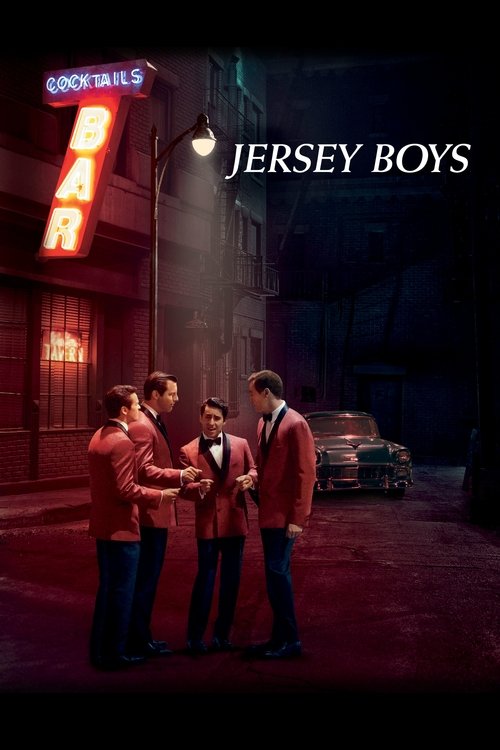
Jersey Boys
A musical biopic of the Four Seasons—the rise, the tough times and personal clashes, and the ultimate triumph of a group of friends whose music became symbolic of a generation. Far from a mere tribute concert, it gets to the heart of the relationships at the centre of the group, with a special focus on frontman Frankie Valli, the small kid with the big falsetto.
Working with a mid-range budget of $40.0M, the film achieved a modest success with $67.3M in global revenue (+68% profit margin).
4 wins & 2 nominations


Plot Structure
Story beats plotted across runtime


Narrative Arc
Emotional journey through the story's key moments
Story Circle
Blueprint 15-beat structure
Arcplot Score Breakdown
Weighted: Precision (70%) + Arc (15%) + Theme (15%)
Jersey Boys (2014) reveals carefully calibrated story structure, characteristic of Clint Eastwood's storytelling approach. This structural analysis examines how the film's 15-point plot structure maps to proven narrative frameworks across 2 hours and 14 minutes. With an Arcplot score of 7.1, the film balances conventional beats with creative variation.
Characters
Cast & narrative archetypes

Frankie Valli
Tommy DeVito
Bob Gaudio
Nick Massi
Gyp DeCarlo
Mary Delgado
Main Cast & Characters
Frankie Valli
Played by John Lloyd Young
Lead singer of The Four Seasons with the distinctive falsetto voice, driven to succeed despite humble beginnings.
Tommy DeVito
Played by Vincent Piazza
Founding member and guitarist who discovers Frankie, street-smart but impulsive with financial troubles.
Bob Gaudio
Played by Erich Bergen
Songwriter and keyboardist who joins the group and writes their biggest hits, business-minded and level-headed.
Nick Massi
Played by Michael Lomenda
Bass player and vocal arranger of The Four Seasons, quiet and detail-oriented but increasingly frustrated with group dynamics.
Gyp DeCarlo
Played by Christopher Walken
Mobster who becomes a father figure and protector to the group, providing support and guidance.
Mary Delgado
Played by Renée Marino
Frankie's wife who struggles with his absence and the pressures of fame on their family.
Structural Analysis
The Status Quo at 2 minutes (2% through the runtime) establishes Tommy DeVito narrates the opening, introducing 1950s Belleville, NJ - a working-class neighborhood where young guys have three ways out: join the army, get mobbed up, or become famous. The Four Seasons aren't stars yet; they're just neighborhood kids hustling.. Structural examination shows that this early placement immediately immerses viewers in the story world.
The inciting incident occurs at 17 minutes when Bob Gaudio walks into their lives. The young songwriter (who wrote "Short Shorts" at 15) sees Frankie perform and introduces himself. Bob represents the missing piece - a serious, professional songwriter who can take Frankie's voice to the top. Tommy immediately recognizes this as their ticket out.. At 13% through the film, this Disruption is delayed, allowing extended setup of the story world. This beat shifts the emotional landscape, launching the protagonist into the central conflict.
The First Threshold at 33 minutes marks the transition into Act II, occurring at 24% of the runtime. This illustrates the protagonist's commitment to The group makes a binding choice: they sign as "The Four Seasons" (named after a bowling alley sign) and commit to Bob Gaudio's songwriting partnership with equal splits. They accept Bob Crewe as producer. This is their active decision to go professional and leave the neighborhood hustle behind for the music business., moving from reaction to action.
At 64 minutes, the Midpoint arrives at 48% of the runtime—precisely centered, creating perfect narrative symmetry. The analysis reveals that this crucial beat False victory: The Four Seasons are at the peak of their success. They're topping charts, making money, and living the dream. But cracks appear - Tommy's gambling debts and mob loans are revealed. Bob Gaudio learns Tommy has been borrowing money in the group's name without telling them. The high point contains the seeds of destruction., fundamentally raising what's at risk. The emotional intensity shifts, dividing the narrative into clear before-and-after phases.
The Collapse moment at 99 minutes (74% through) represents the emotional nadir. Here, Frankie's daughter Francine dies of a drug overdose. This is the literal "whiff of death" - Frankie has lost his child. He realizes that his obsessive pursuit of fame and his loyalty to Tommy cost him his family. Everything he sacrificed for success has led to this devastating loss., reveals the protagonist at their lowest point. This beat's placement in the final quarter sets up the climactic reversal.
The Second Threshold at 106 minutes initiates the final act resolution at 79% of the runtime. Frankie makes the decision to pay off all of Tommy's debts himself - nearly $1 million. This synthesis moment shows Frankie choosing loyalty on his own terms. He doesn't need Tommy in the group, but he honors their brotherhood anyway. He takes control of his choices rather than being controlled by obligation., demonstrating the transformation achieved throughout the journey.
Emotional Journey
Jersey Boys's emotional architecture traces a deliberate progression across 15 carefully calibrated beats.
Narrative Framework
This structural analysis employs structural analysis methodology used to understand storytelling architecture. By mapping Jersey Boys against these established plot points, we can identify how Clint Eastwood utilizes or subverts traditional narrative conventions. The plot point approach reveals not only adherence to structural principles but also creative choices that distinguish Jersey Boys within the music genre.
Clint Eastwood's Structural Approach
Among the 32 Clint Eastwood films analyzed on Arcplot, the average structural score is 6.5, demonstrating varied approaches to story architecture. Jersey Boys represents one of the director's most structurally precise works. For comparative analysis, explore the complete Clint Eastwood filmography.
Comparative Analysis
Additional music films include South Pacific, Dirty Dancing: Havana Nights and Yesterday. For more Clint Eastwood analyses, see True Crime, Million Dollar Baby and The Gauntlet.
Plot Points by Act
Act I
SetupStatus Quo
Tommy DeVito narrates the opening, introducing 1950s Belleville, NJ - a working-class neighborhood where young guys have three ways out: join the army, get mobbed up, or become famous. The Four Seasons aren't stars yet; they're just neighborhood kids hustling.
Theme
Tommy says to young Frankie: "You gotta look out for your own." This line encapsulates the central tension - loyalty to the group versus individual ambition - that will tear the band apart and force each member to choose between brotherhood and self-preservation.
Worldbuilding
Establishment of the Newark/Belleville world: Frankie's extraordinary voice discovered, Tommy's mob connections with Gyp DeCarlo, the formation of early groups, small-time crime, failed gigs at clubs, and the struggle to break out of the neighborhood. Nick Massi joins as bass player and arranger.
Disruption
Bob Gaudio walks into their lives. The young songwriter (who wrote "Short Shorts" at 15) sees Frankie perform and introduces himself. Bob represents the missing piece - a serious, professional songwriter who can take Frankie's voice to the top. Tommy immediately recognizes this as their ticket out.
Resistance
Bob Gaudio negotiations and integration into the group. They debate the partnership terms - Bob wants equal split and writing credit. Tommy resists giving up control, but Frankie sees Bob's value. They work on their sound, develop chemistry, and prepare for the professional music industry. Producer Bob Crewe enters as their guide/mentor figure.
Act II
ConfrontationFirst Threshold
The group makes a binding choice: they sign as "The Four Seasons" (named after a bowling alley sign) and commit to Bob Gaudio's songwriting partnership with equal splits. They accept Bob Crewe as producer. This is their active decision to go professional and leave the neighborhood hustle behind for the music business.
Mirror World
Frankie's wife Mary and home life are introduced more deeply. She represents the "normal life" that stands in contrast to the fame they're chasing. The domestic scenes show what Frankie is sacrificing - she complains he's never home, foreshadowing the personal cost of success.
Premise
The promise of the premise: watching The Four Seasons become superstars. "Sherry" becomes a #1 hit, followed by "Big Girls Don't Cry" and "Walk Like a Man." Recording sessions, TV appearances (Ed Sullivan), tours, screaming fans, chart success. The fun of watching them live the dream, performing their iconic hits and experiencing sudden fame.
Midpoint
False victory: The Four Seasons are at the peak of their success. They're topping charts, making money, and living the dream. But cracks appear - Tommy's gambling debts and mob loans are revealed. Bob Gaudio learns Tommy has been borrowing money in the group's name without telling them. The high point contains the seeds of destruction.
Opposition
Pressure intensifies from all sides: Tommy's debts mount ($500K+), mob enforcers come calling, Nick Massi quits from exhaustion and frustration with Tommy, British Invasion changes music landscape, Frankie's daughter Francine spirals into drugs, Mary divorces Frankie. The group's internal conflicts and external pressures close in. Tommy finally leaves/is forced out.
Collapse
Frankie's daughter Francine dies of a drug overdose. This is the literal "whiff of death" - Frankie has lost his child. He realizes that his obsessive pursuit of fame and his loyalty to Tommy cost him his family. Everything he sacrificed for success has led to this devastating loss.
Crisis
Frankie processes Francine's death and reflects on his choices. Scenes of grief, funeral, confronting what he's lost. He sits alone with his pain, questioning whether it was all worth it. The weight of his sacrifices becomes undeniable. He must decide who he is beyond the group.
Act III
ResolutionSecond Threshold
Frankie makes the decision to pay off all of Tommy's debts himself - nearly $1 million. This synthesis moment shows Frankie choosing loyalty on his own terms. He doesn't need Tommy in the group, but he honors their brotherhood anyway. He takes control of his choices rather than being controlled by obligation.
Synthesis
Resolution of character arcs: Frankie continues as solo artist and with reformed Four Seasons, finding success on his own terms. The four men reunite years later for their Rock and Roll Hall of Fame induction. Each narrator gets their final say. They reconcile their shared history - the betrayals, the glory, the cost. They acknowledge what they meant to each other.
Transformation
The closing image mirrors the opening: the four men together, but now it's on stage at the Hall of Fame induction, older and wiser. They perform together one more time, not as kids hustling to get out of Belleville, but as legends who understand what they built and what it cost. The final performance of "Rag Doll" / "Who Loves You" shows transformation - same guys, different understanding.