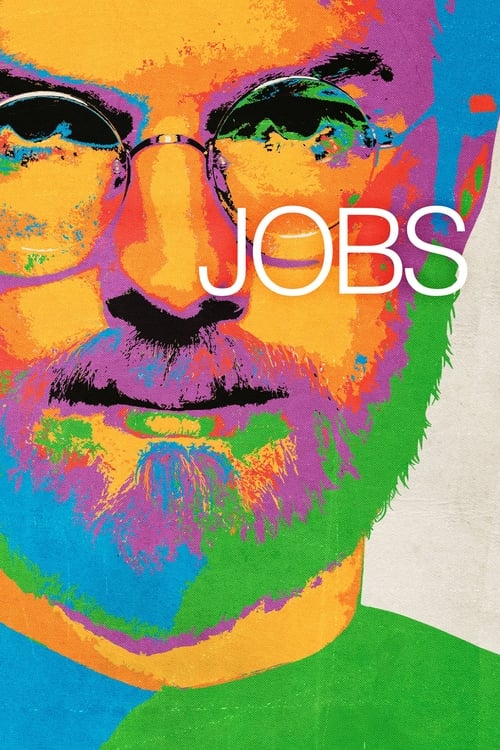
Jobs
The story of Steve Jobs' ascension from college dropout into one of the most revered creative entrepreneurs of the 20th century.
Despite its modest budget of $12.0M, Jobs became a commercial success, earning $42.1M worldwide—a 251% return. The film's innovative storytelling found its audience, showing that strong storytelling can transcend budget limitations.


Plot Structure
Story beats plotted across runtime


Narrative Arc
Emotional journey through the story's key moments
Story Circle
Blueprint 15-beat structure
Arcplot Score Breakdown
Weighted: Precision (70%) + Arc (15%) + Theme (15%)
Jobs (2013) demonstrates precise dramatic framework, characteristic of Joshua Michael Stern's storytelling approach. This structural analysis examines how the film's 15-point plot structure maps to proven narrative frameworks across 2 hours and 9 minutes. With an Arcplot score of 7.0, the film balances conventional beats with creative variation.
Characters
Cast & narrative archetypes

Steve Jobs
Steve Wozniak
Mike Markkula
John Sculley
Main Cast & Characters
Steve Jobs
Played by Ashton Kutcher
Visionary co-founder of Apple Computer, driven by perfectionism and desire to create revolutionary products.
Steve Wozniak
Played by Josh Gad
Technical genius and co-founder of Apple, provides the engineering brilliance behind Jobs' vision.
Mike Markkula
Played by Dermot Mulroney
Early investor and mentor who provides crucial business guidance and funding to Apple.
John Sculley
Played by Matthew Modine
Former Pepsi executive recruited by Jobs to run Apple, later becomes adversarial.
Structural Analysis
The Status Quo at 1 minutes (1% through the runtime) establishes Steve Jobs unveils the iPod in 2001, establishing his world of innovation and showmanship. The film opens with his triumph before flashing back to show how he got there.. Significantly, this early placement immediately immerses viewers in the story world.
The inciting incident occurs at 15 minutes when Wozniak shows Jobs his personal computer prototype in his garage. Jobs immediately sees the commercial potential that Wozniak doesn't - this machine could change everything.. At 12% through the film, this Disruption aligns precisely with traditional story structure. This beat shifts the emotional landscape, launching the protagonist into the central conflict.
The First Threshold at 32 minutes marks the transition into Act II, occurring at 25% of the runtime. This demonstrates the protagonist's commitment to Jobs secures investment from Mike Markkula, who writes a check for $250,000. This legitimizes Apple Computer and launches them from a garage operation into a real company., moving from reaction to action.
At 64 minutes, the Midpoint arrives at 49% of the runtime—precisely centered, creating perfect narrative symmetry. Notably, this crucial beat The Macintosh launches with the iconic 1984 Super Bowl commercial. It's a false victory - the launch is spectacular, but sales disappoint and tensions rise within Apple about Jobs' leadership style., fundamentally raising what's at risk. The emotional intensity shifts, dividing the narrative into clear before-and-after phases.
The Collapse moment at 94 minutes (73% through) represents the emotional nadir. Here, The board of directors votes to remove Jobs from his operational role at Apple. He is fired from the company he created. The death of his dream and identity at Apple., demonstrates the protagonist at their lowest point. This beat's placement in the final quarter sets up the climactic reversal.
The Second Threshold at 101 minutes initiates the final act resolution at 78% of the runtime. Apple, now failing, asks Jobs to return. He realizes he can come back not just as the old Steve Jobs, but as a wiser leader who has learned from being humbled. He accepts., demonstrating the transformation achieved throughout the journey.
Emotional Journey
Jobs's emotional architecture traces a deliberate progression across 15 carefully calibrated beats.
Narrative Framework
This structural analysis employs systematic plot point analysis that identifies crucial turning points. By mapping Jobs against these established plot points, we can identify how Joshua Michael Stern utilizes or subverts traditional narrative conventions. The plot point approach reveals not only adherence to structural principles but also creative choices that distinguish Jobs within the drama genre.
Joshua Michael Stern's Structural Approach
Among the 2 Joshua Michael Stern films analyzed on Arcplot, the average structural score is 6.8, demonstrating varied approaches to story architecture. Jobs represents one of the director's most structurally precise works. For comparative analysis, explore the complete Joshua Michael Stern filmography.
Comparative Analysis
Additional drama films include After Thomas, South Pacific and Dirty Dancing: Havana Nights. For more Joshua Michael Stern analyses, see Swing Vote.
Plot Points by Act
Act I
SetupStatus Quo
Steve Jobs unveils the iPod in 2001, establishing his world of innovation and showmanship. The film opens with his triumph before flashing back to show how he got there.
Theme
At Reed College in 1974, Jobs discusses with friends about changing the world and thinking differently. Someone mentions that "the journey is the reward," foreshadowing Jobs' obsession with process over conventional success.
Worldbuilding
Establishes young Steve Jobs as a college dropout experimenting with LSD, calligraphy, and Eastern philosophy. Shows his friendship with Steve Wozniak and early interest in technology at Atari and the Homebrew Computer Club.
Disruption
Wozniak shows Jobs his personal computer prototype in his garage. Jobs immediately sees the commercial potential that Wozniak doesn't - this machine could change everything.
Resistance
Jobs convinces Wozniak to go into business with him. They debate selling Woz's design, recruit other team members, and work out of the Jobs family garage. Jobs struggles to convince investors and navigate early business challenges.
Act II
ConfrontationFirst Threshold
Jobs secures investment from Mike Markkula, who writes a check for $250,000. This legitimizes Apple Computer and launches them from a garage operation into a real company.
Mirror World
Jobs' relationship with his girlfriend Chris-Ann and their daughter Lisa represents the personal life he sacrifices. She confronts him about denying paternity, showing the human cost of his ambition.
Premise
Apple grows rapidly. The Apple II becomes a massive success. Jobs drives the team relentlessly, fires people who don't meet his standards, and begins work on the Macintosh. We see the "promise of the premise" - Jobs building his empire.
Midpoint
The Macintosh launches with the iconic 1984 Super Bowl commercial. It's a false victory - the launch is spectacular, but sales disappoint and tensions rise within Apple about Jobs' leadership style.
Opposition
Jobs' control issues intensify. The board and John Sculley turn against him. Wozniak leaves Apple. Jobs alienates allies and refuses to compromise his vision, even as the company struggles and the board questions his leadership.
Collapse
The board of directors votes to remove Jobs from his operational role at Apple. He is fired from the company he created. The death of his dream and identity at Apple.
Crisis
Jobs wanders in darkness, processing his loss. He starts NeXT Computer but struggles with his failure. He questions his purpose and confronts what went wrong.
Act III
ResolutionSecond Threshold
Apple, now failing, asks Jobs to return. He realizes he can come back not just as the old Steve Jobs, but as a wiser leader who has learned from being humbled. He accepts.
Synthesis
Jobs returns to Apple and systematically transforms it. He cuts failing products, streamlines the company, launches the iMac, opens Apple Stores, and develops the iPod. He applies both his original vision and hard-won wisdom.
Transformation
Returns to the opening image - Jobs presenting the iPod in 2001. But now we see the journey. He's not just a showman but a leader who failed, learned, and transformed both himself and the world. Text reveals Apple became the most valuable company.