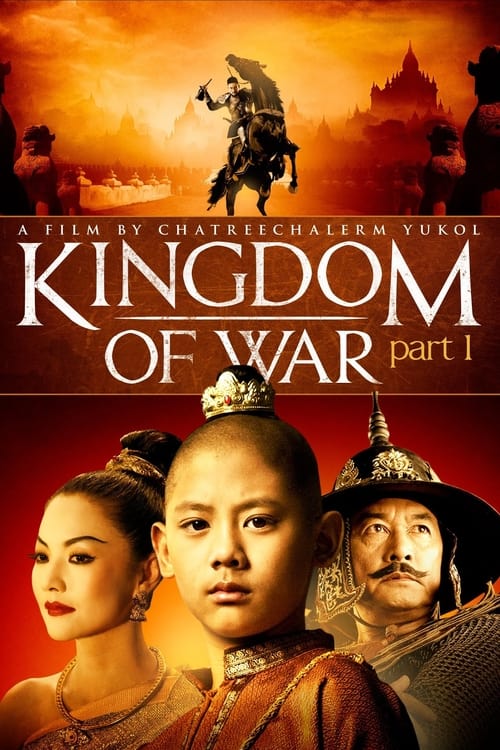
King Naresuan Part: 1
The film concerns the life of King Naresuan, who liberated the Siamese from the control of Burma. Born in 1555, he was taken to Burma as a child hostage; there he became acquainted with sword fighting and became a threat to the Burmese empire.
The film box office disappointment against its mid-range budget of $20.0M, earning $7.9M globally (-60% loss). While initial box office returns were modest, the film has gained appreciation for its unique voice within the drama genre.


Plot Structure
Story beats plotted across runtime


Narrative Arc
Emotional journey through the story's key moments
Story Circle
Blueprint 15-beat structure
Arcplot Score Breakdown
Weighted: Precision (70%) + Arc (15%) + Theme (15%)
King Naresuan Part: 1 (2007) exemplifies strategically placed plot construction, characteristic of Chatrichalerm Yukol's storytelling approach. This structural analysis examines how the film's 15-point plot structure maps to proven narrative frameworks across 2 hours and 41 minutes. With an Arcplot score of 7.3, the film balances conventional beats with creative variation.
Characters
Cast & narrative archetypes

Prince Naresuan
King Bayinnaung
Prince Ekathotsarot
King Maha Thammaracha
Bunthing
Maneechan
Prince Mingyi Swa
Main Cast & Characters
Prince Naresuan
Played by Wanchana Sawasdee
The protagonist, a young Thai prince held hostage in Burma who trains as a warrior and fights for his kingdom's independence
King Bayinnaung
Played by Sarunyu Wongkrachang
The powerful Burmese king who holds Naresuan hostage and serves as both captor and reluctant mentor figure
Prince Ekathotsarot
Played by Sorapong Chatree
Naresuan's younger brother and closest ally, who shares his captivity and supports his cause
King Maha Thammaracha
Played by Chatchai Plengpanich
Naresuan's father, the king of Ayutthaya who must navigate vassalage to Burma while protecting his kingdom
Bunthing
Played by Jakkrit Amarat
A loyal Thai warrior and mentor who trains young Naresuan in combat and military strategy
Maneechan
Played by Intira Jaroenpura
A Burmese princess and Naresuan's love interest who becomes torn between loyalty to her kingdom and her feelings
Prince Mingyi Swa
Played by Grace Mahadumrongkul
The crown prince of Burma and rival to Naresuan, representing the next generation of Burmese power
Structural Analysis
The Status Quo at 2 minutes (1% through the runtime) establishes Young Prince Naresuan lives as a hostage in the Burmese court of Hongsawadee, shown training in martial arts and court protocol, his status as both prince and prisoner established through the opulent yet constrained palace life.. Significantly, this early placement immediately immerses viewers in the story world.
The inciting incident occurs at 19 minutes when King Bayinnaung dies suddenly, throwing the Burmese succession into chaos. The new king, Nanda Bayin, is hostile and unstable, and immediately views Naresuan with suspicion rather than trust. The protective dynamic that kept Naresuan safe is shattered.. At 12% through the film, this Disruption aligns precisely with traditional story structure. This beat shifts the emotional landscape, launching the protagonist into the central conflict.
The First Threshold at 40 minutes marks the transition into Act II, occurring at 25% of the runtime. This shows the protagonist's commitment to Naresuan is finally released and makes the active choice to return to Ayutthaya, accepting the mantle of crown prince and the responsibility to free his people. He crosses from the Burmese world back to Siam, symbolically leaving captivity behind and entering his role as future liberator., moving from reaction to action.
At 81 minutes, the Midpoint arrives at 50% of the runtime—precisely centered, creating perfect narrative symmetry. Notably, this crucial beat Naresuan wins his first significant military victory against a Burmese vassal force, publicly demonstrating Ayutthaya's renewed strength. This false victory raises his profile and stakes—he's now a direct threat to Burma, making full-scale conflict inevitable. The game has changed., fundamentally raising what's at risk. The emotional intensity shifts, dividing the narrative into clear before-and-after phases.
The Collapse moment at 121 minutes (75% through) represents the emotional nadir. Here, A trusted advisor is killed, and Naresuan receives intelligence that a massive Burmese invasion force is marching on Ayutthaya—far larger than anticipated. His army is unprepared, allies waver, and the dream of independence seems crushed before it begins. The "whiff of death" as the kingdom's destruction looms., demonstrates the protagonist at their lowest point. This beat's placement in the final quarter sets up the climactic reversal.
The Second Threshold at 129 minutes initiates the final act resolution at 80% of the runtime. Naresuan synthesizes his Burmese military training with Siamese fighting spirit and resolves to declare complete independence from Burma. He makes the historic declaration of sovereignty, combining what he learned as a hostage with his identity as a Siamese prince. This declaration marks the beginning of the final act., demonstrating the transformation achieved throughout the journey.
Emotional Journey
King Naresuan Part: 1's emotional architecture traces a deliberate progression across 15 carefully calibrated beats.
Narrative Framework
This structural analysis employs systematic plot point analysis that identifies crucial turning points. By mapping King Naresuan Part: 1 against these established plot points, we can identify how Chatrichalerm Yukol utilizes or subverts traditional narrative conventions. The plot point approach reveals not only adherence to structural principles but also creative choices that distinguish King Naresuan Part: 1 within the drama genre.
Comparative Analysis
Additional drama films include After Thomas, South Pacific and Dirty Dancing: Havana Nights.
Plot Points by Act
Act I
SetupStatus Quo
Young Prince Naresuan lives as a hostage in the Burmese court of Hongsawadee, shown training in martial arts and court protocol, his status as both prince and prisoner established through the opulent yet constrained palace life.
Theme
A Burmese advisor tells King Bayinnaung that "a caged bird who has forgotten the sky will never fly away," suggesting that Naresuan's captivity will ensure his loyalty—establishing the theme of freedom versus captivity and the question of whether one's spirit can be truly imprisoned.
Worldbuilding
Establishes the complex political landscape: Ayutthaya's subjugation to Burma, Naresuan's dual identity as Siamese prince and Burmese hostage, his friendship with Prince Mingyi Swa, the court intrigue, and the military training that shapes him. Shows both kingdoms, their customs, and the uneasy peace maintained through royal hostages.
Disruption
King Bayinnaung dies suddenly, throwing the Burmese succession into chaos. The new king, Nanda Bayin, is hostile and unstable, and immediately views Naresuan with suspicion rather than trust. The protective dynamic that kept Naresuan safe is shattered.
Resistance
Naresuan navigates the dangerous new court while debate rages in both Burma and Ayutthaya about his fate. His father, King Maha Thammaracha, must decide whether to risk war by demanding his son's return. Naresuan's mentor figures warn him to be cautious, while he internally debates whether to accept his fate or seize his freedom.
Act II
ConfrontationFirst Threshold
Naresuan is finally released and makes the active choice to return to Ayutthaya, accepting the mantle of crown prince and the responsibility to free his people. He crosses from the Burmese world back to Siam, symbolically leaving captivity behind and entering his role as future liberator.
Mirror World
Naresuan reunites with his childhood sweetheart Manechan and his loyal companion Bunthing, establishing the B-story relationships that embody loyalty, love, and the values worth fighting for. These relationships ground his abstract fight for freedom in personal connection.
Premise
The "promise of the premise"—watching young Naresuan become a warrior-prince. He trains his army, implements new military tactics, navigates court politics in Ayutthaya, and begins small acts of defiance against Burmese authority. The audience sees him transform from hostage to leader, experiencing the rise of a national hero.
Midpoint
Naresuan wins his first significant military victory against a Burmese vassal force, publicly demonstrating Ayutthaya's renewed strength. This false victory raises his profile and stakes—he's now a direct threat to Burma, making full-scale conflict inevitable. The game has changed.
Opposition
Burma mobilizes for war. Internal opposition rises as some Siamese nobles argue for continued submission. Naresuan faces betrayal, logistical challenges, and the overwhelming military might of the Burmese empire. His mentor warns that his pride may destroy the kingdom. Pressure mounts from all sides.
Collapse
A trusted advisor is killed, and Naresuan receives intelligence that a massive Burmese invasion force is marching on Ayutthaya—far larger than anticipated. His army is unprepared, allies waver, and the dream of independence seems crushed before it begins. The "whiff of death" as the kingdom's destruction looms.
Crisis
Naresuan faces his dark night, contemplating whether his quest for freedom has doomed his people. He processes the weight of leadership and the cost of resistance. In quiet moments, he must reconcile his personal desire for freedom with his responsibility to those who will die in its pursuit.
Act III
ResolutionSecond Threshold
Naresuan synthesizes his Burmese military training with Siamese fighting spirit and resolves to declare complete independence from Burma. He makes the historic declaration of sovereignty, combining what he learned as a hostage with his identity as a Siamese prince. This declaration marks the beginning of the final act.
Synthesis
The finale: preparation for war, rallying the troops, diplomatic maneuvering, and the initial confrontations with Burmese forces. Naresuan executes his strategy, leading his army with the combined wisdom of his captive years and his princely heritage. The battle for independence begins in earnest.
Transformation
Naresuan stands as the undisputed warrior-king, having declared independence and survived the initial Burmese response. The final image mirrors the opening: once a caged bird, he is now free, looking toward the horizon not as a prisoner but as a sovereign leader. The transformation from hostage to liberator is complete.