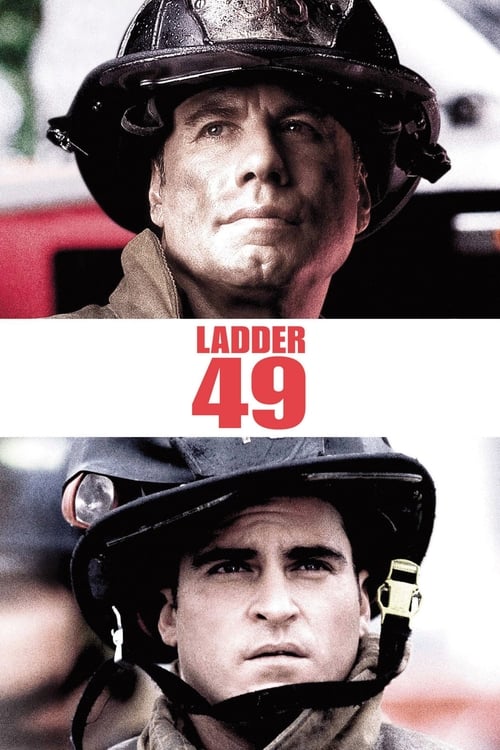
Ladder 49
Under the watchful eye of his mentor, Captain Mike Kennedy, probationary firefighter Jack Morrison matures into a seasoned veteran at a Baltimore fire station. However, Jack has reached a crossroads as the sacrifices he's made have put him in harm's way innumerable times and significantly impacted his relationship with his wife and kids.
Working with a respectable budget of $60.0M, the film achieved a respectable showing with $100.6M in global revenue (+68% profit margin).
1 win & 7 nominations


Plot Structure
Story beats plotted across runtime


Narrative Arc
Emotional journey through the story's key moments
Story Circle
Blueprint 15-beat structure
Arcplot Score Breakdown
Weighted: Precision (70%) + Arc (15%) + Theme (15%)
Ladder 49 (2004) demonstrates precise narrative architecture, characteristic of Jay Russell's storytelling approach. This structural analysis examines how the film's 15-point plot structure maps to proven narrative frameworks across 1 hour and 55 minutes. With an Arcplot score of 6.4, the film takes an unconventional approach to traditional narrative frameworks.
Characters
Cast & narrative archetypes

Jack Morrison
Mike Kennedy
Linda Morrison
Tommy Drake
Dennis Gauquin
Lenny Richter
Main Cast & Characters
Jack Morrison
Played by Joaquin Phoenix
A dedicated firefighter trapped in a burning building who reflects on his career and life through flashbacks while awaiting rescue.
Mike Kennedy
Played by John Travolta
Jack's mentor and Battalion Chief who coordinates the rescue effort and struggles with the decision of when to pull his men out.
Linda Morrison
Played by Jacinda Barrett
Jack's wife who supports his dangerous career while raising their family and dealing with the constant fear of losing him.
Tommy Drake
Played by Morris Chestnut
Jack's best friend and fellow firefighter who shares the brotherhood and dangers of the job.
Dennis Gauquin
Played by Billy Burke
A seasoned firefighter and Jack's colleague who provides comic relief and camaraderie at the firehouse.
Lenny Richter
Played by Robert Patrick
A veteran firefighter who serves as an early mentor and represents the old guard of the fire department.
Structural Analysis
The Status Quo at 2 minutes (2% through the runtime) establishes Jack Morrison arrives at a massive warehouse fire, fully integrated as a veteran firefighter of Ladder 49, confident and experienced in his role.. Of particular interest, this early placement immediately immerses viewers in the story world.
The inciting incident occurs at 15 minutes when Jack falls through the floor into the inferno below during the warehouse fire, becoming trapped with no way out. His radio call for help sets the entire rescue operation in motion.. At 13% through the film, this Disruption is delayed, allowing extended setup of the story world. This beat shifts the emotional landscape, launching the protagonist into the central conflict.
The First Threshold at 29 minutes marks the transition into Act II, occurring at 25% of the runtime. This demonstrates the protagonist's commitment to Jack commits fully to both his career and Linda, proposing marriage. He chooses to embrace the firefighter life completely, accepting all its dangers and demands, and building a family., moving from reaction to action.
At 58 minutes, the Midpoint arrives at 50% of the runtime—precisely centered, creating perfect narrative symmetry. Significantly, this crucial beat Jack's injuries from the warehouse trap worsen in the present, while flashbacks show a close call where a colleague is seriously injured. The stakes raise—the job's true cost becomes undeniable. Kennedy offers Jack a promotion out of field duty., fundamentally raising what's at risk. The emotional intensity shifts, dividing the narrative into clear before-and-after phases.
The Collapse moment at 86 minutes (75% through) represents the emotional nadir. Here, The building collapses further, Jack is critically injured and knows he's dying. Kennedy and the crew realize they can't reach him in time. Jack accepts his fate—the ultimate sacrifice is at hand. The whiff of death is literal., illustrates the protagonist at their lowest point. This beat's placement in the final quarter sets up the climactic reversal.
The Second Threshold at 92 minutes initiates the final act resolution at 80% of the runtime. Jack tells Kennedy to pull the men out, to save the crew rather than die trying to save him. He chooses his brothers' lives over his own. Kennedy accepts Jack's sacrifice, understanding this is what it means to be family., demonstrating the transformation achieved throughout the journey.
Emotional Journey
Ladder 49's emotional architecture traces a deliberate progression across 15 carefully calibrated beats.
Narrative Framework
This structural analysis employs a 15-point narrative structure framework that maps key story moments. By mapping Ladder 49 against these established plot points, we can identify how Jay Russell utilizes or subverts traditional narrative conventions. The plot point approach reveals not only adherence to structural principles but also creative choices that distinguish Ladder 49 within the drama genre.
Jay Russell's Structural Approach
Among the 4 Jay Russell films analyzed on Arcplot, the average structural score is 7.0, reflecting strong command of classical structure. Ladder 49 takes a more unconventional approach compared to the director's typical style. For comparative analysis, explore the complete Jay Russell filmography.
Comparative Analysis
Additional drama films include After Thomas, South Pacific and Dirty Dancing: Havana Nights. For more Jay Russell analyses, see My Dog Skip, Tuck Everlasting and The Water Horse.
Plot Points by Act
Act I
SetupStatus Quo
Jack Morrison arrives at a massive warehouse fire, fully integrated as a veteran firefighter of Ladder 49, confident and experienced in his role.
Theme
Captain Kennedy tells young Jack: "You're part of a family now. We take care of each other." The theme of brotherhood, sacrifice, and what it means to be part of the firefighter family.
Worldbuilding
Flashbacks establish Jack's rookie days at Ladder 49, his initiation into the firehouse culture, meeting his crew, and learning the ropes. The camaraderie, danger, and unique world of urban firefighting is established.
Disruption
Jack falls through the floor into the inferno below during the warehouse fire, becoming trapped with no way out. His radio call for help sets the entire rescue operation in motion.
Resistance
As Jack fights to survive in the present, flashbacks show Captain Kennedy mentoring him, teaching him how to be a firefighter. Jack meets Linda at a supermarket, beginning their courtship while learning to balance the job with personal life.
Act II
ConfrontationFirst Threshold
Jack commits fully to both his career and Linda, proposing marriage. He chooses to embrace the firefighter life completely, accepting all its dangers and demands, and building a family.
Mirror World
Jack and Linda's wedding and early marriage. Linda represents the life outside the firehouse, the family and love that give meaning to Jack's sacrifice. She embodies what he's fighting for.
Premise
Jack thrives as a firefighter, responding to calls, saving lives, bonding with his crew. The promise of the premise: the heroism, danger, and brotherhood of firefighting. His family grows with children, showing the double life of duty and domesticity.
Midpoint
Jack's injuries from the warehouse trap worsen in the present, while flashbacks show a close call where a colleague is seriously injured. The stakes raise—the job's true cost becomes undeniable. Kennedy offers Jack a promotion out of field duty.
Opposition
Jack struggles with whether to accept the desk job and stay safe for his family. In the present, the fire intensifies and rescue attempts fail. The tension between duty to the crew and duty to family escalates. His trapped situation grows more desperate.
Collapse
The building collapses further, Jack is critically injured and knows he's dying. Kennedy and the crew realize they can't reach him in time. Jack accepts his fate—the ultimate sacrifice is at hand. The whiff of death is literal.
Crisis
Jack reflects on his life, his final conversations with Kennedy over the radio. He thinks of Linda and his children. Kennedy struggles with the impossible choice of risking more lives to save Jack. The dark night of accepting loss.
Act III
ResolutionSecond Threshold
Jack tells Kennedy to pull the men out, to save the crew rather than die trying to save him. He chooses his brothers' lives over his own. Kennedy accepts Jack's sacrifice, understanding this is what it means to be family.
Synthesis
Jack's final moments as he succumbs to his injuries, at peace with his choice. The crew evacuates. The funeral honors Jack as a hero. Linda and the children grieve but understand his sacrifice was part of who he was—a firefighter, a brother, family.
Transformation
The crew and Linda gather after the funeral. Despite the loss, they remain a family, carrying Jack's legacy. The transformation: understanding that being part of this family means accepting sacrifice, and that love—both for crew and family—is worth the ultimate price.