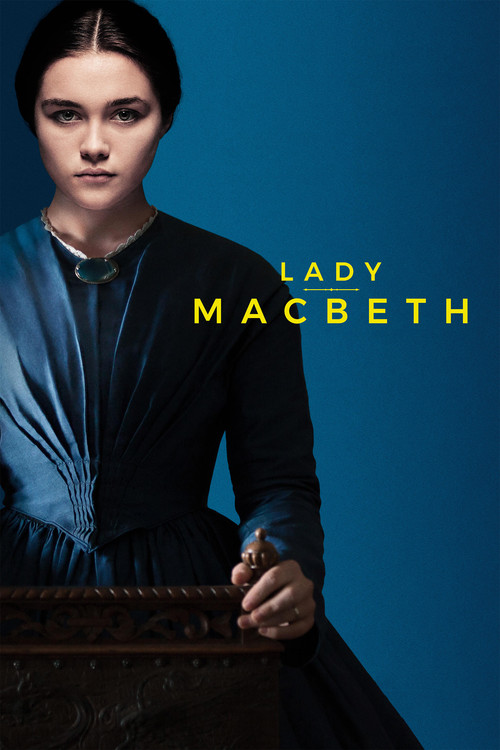
Lady Macbeth
Rural England, 1865. Katherine, suffocated by her loveless marriage to a bitter man and restrained by his father's tyranny, unleashes an irresistible force within her, so powerful that she will stop at nothing to get what she wants.
The film earned $5.2M at the global box office.









Plot Structure
Story beats plotted across runtime


Narrative Arc
Emotional journey through the story's key moments
Story Circle
Blueprint 15-beat structure
Arcplot Score Breakdown
Weighted: Precision (70%) + Arc (15%) + Theme (15%)
Lady Macbeth (2016) exemplifies deliberately positioned narrative architecture, characteristic of William Oldroyd's storytelling approach. This structural analysis examines how the film's 15-point plot structure maps to proven narrative frameworks across 1 hour and 26 minutes. With an Arcplot score of 6.8, the film balances conventional beats with creative variation.
Structural Analysis
The Status Quo at 1 minutes (1% through the runtime) establishes Katherine stands alone in her wedding dress against a bare wall, a bought bride trapped in a loveless marriage to Alexander on a remote estate. Her face is blank, resigned to powerlessness.. Significantly, this early placement immediately immerses viewers in the story world.
The inciting incident occurs at 10 minutes when Boris and Alexander leave the estate on business. For the first time, Katherine is unsupervised. She ventures outside into the sunlight, experiencing a taste of freedom and the absence of male authority.. At 11% through the film, this Disruption aligns precisely with traditional story structure. This beat shifts the emotional landscape, launching the protagonist into the central conflict.
The First Threshold at 21 minutes marks the transition into Act II, occurring at 24% of the runtime. This reveals the protagonist's commitment to Katherine actively chooses to consummate her affair with Sebastian in the marital bed, fully aware this is forbidden. She crosses from passive victim to active transgressor, embracing desire over duty., moving from reaction to action.
At 42 minutes, the Midpoint arrives at 48% of the runtime—precisely centered, creating perfect narrative symmetry. Significantly, this crucial beat Boris returns unexpectedly and discovers Katherine and Sebastian in bed together. He violently beats Sebastian and locks Katherine in her room. The illusion of freedom shatters. Katherine faces the reality that she has no power within the existing system—she must destroy it., fundamentally raising what's at risk. The emotional intensity shifts, dividing the narrative into clear before-and-after phases.
The Collapse moment at 62 minutes (72% through) represents the emotional nadir. Here, Anna reveals she witnessed the murders. Katherine realizes the killings have been seen, and Sebastian—her supposed partner—is now a liability. Her dream of freedom with Sebastian dies. She must choose between love and survival., demonstrates the protagonist at their lowest point. This beat's placement in the final quarter sets up the climactic reversal.
The Second Threshold at 67 minutes initiates the final act resolution at 78% of the runtime. Katherine coldly testifies that Sebastian committed all the murders, manipulated her, and forced himself on her. She weaponizes Victorian assumptions about female weakness to ensure Sebastian hangs while she goes free. She chooses absolute self-preservation., demonstrating the transformation achieved throughout the journey.
Emotional Journey
Lady Macbeth's emotional architecture traces a deliberate progression across 15 carefully calibrated beats.
Narrative Framework
This structural analysis employs a 15-point narrative structure framework that maps key story moments. By mapping Lady Macbeth against these established plot points, we can identify how William Oldroyd utilizes or subverts traditional narrative conventions. The plot point approach reveals not only adherence to structural principles but also creative choices that distinguish Lady Macbeth within the drama genre.
Comparative Analysis
Additional drama films include Eye for an Eye, South Pacific and Kiss of the Spider Woman.
Plot Points by Act
Act I
SetupStatus Quo
Katherine stands alone in her wedding dress against a bare wall, a bought bride trapped in a loveless marriage to Alexander on a remote estate. Her face is blank, resigned to powerlessness.
Theme
Boris, her father-in-law, coldly instructs Katherine that she is property of the household, must obey all rules, and has no autonomy. The theme: What is the cost of freedom when you are owned?
Worldbuilding
Katherine's prison-like existence is established: confined to the estate, forbidden from going outside, ignored by her impotent husband, controlled by Boris. She wanders empty rooms while servants gossip. The rigid Victorian hierarchy and brutal isolation of her world.
Disruption
Boris and Alexander leave the estate on business. For the first time, Katherine is unsupervised. She ventures outside into the sunlight, experiencing a taste of freedom and the absence of male authority.
Resistance
Katherine witnesses Sebastian and the groomsmen sexually humiliating Anna, a servant. Rather than retreating, Katherine intervenes, asserting power for the first time. Sebastian challenges and flirts with her. She's drawn to his masculine energy and begins testing boundaries, including a physical affair with Sebastian.
Act II
ConfrontationFirst Threshold
Katherine actively chooses to consummate her affair with Sebastian in the marital bed, fully aware this is forbidden. She crosses from passive victim to active transgressor, embracing desire over duty.
Mirror World
Katherine and Sebastian's passionate affair deepens. He represents an alternate world where Katherine experiences agency, pleasure, and equality. Their relationship asks: Can freedom exist within this oppressive system, or must the system be destroyed?
Premise
Katherine and Sebastian carry on their affair openly in the house. She experiences sensual freedom, but the outside world still constrains them. They play-act at being master and mistress of the estate. Katherine grows bolder, more defiant, but the threat of discovery looms.
Midpoint
Boris returns unexpectedly and discovers Katherine and Sebastian in bed together. He violently beats Sebastian and locks Katherine in her room. The illusion of freedom shatters. Katherine faces the reality that she has no power within the existing system—she must destroy it.
Opposition
Katherine murders Boris by poisoning him. Sebastian helps dispose of the body. Alexander returns with Teddy, a mixed-race child he claims is his heir. Katherine sees her future disappearing. She manipulates Sebastian into murdering both Alexander and Teddy by smothering them. The body count rises as opposition to her freedom is systematically eliminated.
Collapse
Anna reveals she witnessed the murders. Katherine realizes the killings have been seen, and Sebastian—her supposed partner—is now a liability. Her dream of freedom with Sebastian dies. She must choose between love and survival.
Crisis
The authorities investigate. Katherine faces the darkness of what she's become. She must decide: confess and lose everything, or sacrifice Sebastian to save herself. She sits with the knowledge that freedom has cost her humanity.
Act III
ResolutionSecond Threshold
Katherine coldly testifies that Sebastian committed all the murders, manipulated her, and forced himself on her. She weaponizes Victorian assumptions about female weakness to ensure Sebastian hangs while she goes free. She chooses absolute self-preservation.
Synthesis
Sebastian is executed. Katherine consolidates power over the estate. Anna, who knows the truth, remains as a silent witness. Katherine secures her position as mistress of the house through lies and murder. She has won her freedom through absolute ruthlessness.
Transformation
Katherine stands in the same position as the opening, but now she is in control of the estate. Her face is still blank, but she is no longer powerless—she is a monster. Freedom has been purchased with complete moral corruption. Anna watches from the shadows, a living reminder of her crimes.