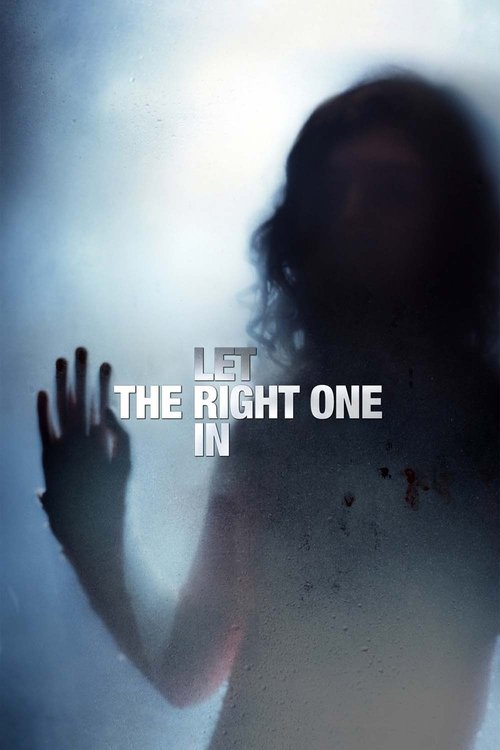
Let the Right One In
When Oskar, a sensitive, bullied 12-year-old boy, meets his new neighbor, the mysterious and moody Eli, they strike up a friendship. Initially reserved with each other, Oskar and Eli slowly form a close bond, but it soon becomes apparent that she is no ordinary young girl.
Despite its small-scale budget of $4.0M, Let the Right One In became a financial success, earning $10.8M worldwide—a 170% return.
Nominated for 1 BAFTA Award76 wins & 58 nominations


Plot Structure
Story beats plotted across runtime


Narrative Arc
Emotional journey through the story's key moments
Story Circle
Blueprint 15-beat structure
Arcplot Score Breakdown
Weighted: Precision (70%) + Arc (15%) + Theme (15%)
Let the Right One In (2008) showcases strategically placed plot construction, characteristic of Tomas Alfredson's storytelling approach. This structural analysis examines how the film's 15-point plot structure maps to proven narrative frameworks across 1 hour and 55 minutes. With an Arcplot score of 7.2, the film balances conventional beats with creative variation.
Characters
Cast & narrative archetypes

Oskar
Eli
Håkan
Main Cast & Characters
Oskar
Played by Kåre Hedebrant
A lonely, bullied 12-year-old boy who befriends his mysterious new neighbor and discovers inner strength.
Eli
Played by Lina Leandersson
A centuries-old vampire trapped in a child's body who forms a deep bond with Oskar.
Håkan
Played by Per Ragnar
Eli's aging caretaker who kills to provide blood, driven by devotion and desperation.
Structural Analysis
The Status Quo at 1 minutes (1% through the runtime) establishes Oskar, a lonely 12-year-old boy, stands alone in the snowy courtyard of his apartment complex at night, watching through a window as his distant mother moves about inside. His isolation and vulnerability are immediately established.. Of particular interest, this early placement immediately immerses viewers in the story world.
The inciting incident occurs at 14 minutes when Oskar encounters Eli for the first time in the courtyard at night. She tells him they can't be friends, creating an immediate mystery. Meanwhile, Håkan commits a botched murder attempt to obtain blood for Eli.. At 12% through the film, this Disruption aligns precisely with traditional story structure. This beat shifts the emotional landscape, launching the protagonist into the central conflict.
The First Threshold at 30 minutes marks the transition into Act II, occurring at 26% of the runtime. This reveals the protagonist's commitment to Oskar actively chooses to pursue friendship with Eli despite her strangeness. He shares his most vulnerable secret with her—his collection of murder clippings and fantasies of revenge—crossing into emotional intimacy and a new world of connection., moving from reaction to action.
At 58 minutes, the Midpoint arrives at 50% of the runtime—precisely centered, creating perfect narrative symmetry. Structural examination shows that this crucial beat Håkan's final murder attempt goes catastrophically wrong. Cornered in an apartment, he pours acid on his own face to avoid identification, disfiguring himself completely. This false defeat removes Eli's protector and raises the stakes—she must now hunt alone, exposing herself to discovery., fundamentally raising what's at risk. The emotional intensity shifts, dividing the narrative into clear before-and-after phases.
The Collapse moment at 87 minutes (75% through) represents the emotional nadir. Here, Virginia, now a vampire, chooses death, opening her curtains to let the sunlight incinerate her. This "whiff of death" shows Oskar the true cost and horror of Eli's existence. Simultaneously, Oskar asks Eli, "Would you like me even if I wasn't a boy?" and she answers "yes," revealing she's neither boy nor girl—something other., illustrates the protagonist at their lowest point. This beat's placement in the final quarter sets up the climactic reversal.
The Second Threshold at 93 minutes initiates the final act resolution at 81% of the runtime. Eli leaves town to protect Oskar. Oskar goes on a school trip, seemingly accepting separation. The synthesis of Eli's lesson ("be strong, hit back") and Oskar's newfound understanding of love and sacrifice prepares both characters for the climax., demonstrating the transformation achieved throughout the journey.
Emotional Journey
Let the Right One In's emotional architecture traces a deliberate progression across 15 carefully calibrated beats.
Narrative Framework
This structural analysis employs structural analysis methodology used to understand storytelling architecture. By mapping Let the Right One In against these established plot points, we can identify how Tomas Alfredson utilizes or subverts traditional narrative conventions. The plot point approach reveals not only adherence to structural principles but also creative choices that distinguish Let the Right One In within the horror genre.
Tomas Alfredson's Structural Approach
Among the 3 Tomas Alfredson films analyzed on Arcplot, the average structural score is 7.4, reflecting strong command of classical structure. Let the Right One In takes a more unconventional approach compared to the director's typical style. For comparative analysis, explore the complete Tomas Alfredson filmography.
Comparative Analysis
Additional horror films include Thinner, A Nightmare on Elm Street and Mary Reilly. For more Tomas Alfredson analyses, see The Snowman, Tinker Tailor Soldier Spy.
Plot Points by Act
Act I
SetupStatus Quo
Oskar, a lonely 12-year-old boy, stands alone in the snowy courtyard of his apartment complex at night, watching through a window as his distant mother moves about inside. His isolation and vulnerability are immediately established.
Theme
Oskar's teacher discusses a news article about a missing person, asking the class, "What do you think happened to him?" The question of violence, predation, and what makes someone a monster is posed early.
Worldbuilding
Oskar's isolated world is established: bullied mercilessly at school by Conny and his gang, living between divorced parents, collecting news clippings about murders, practicing knife attacks on a tree while imagining revenge. Håkan and Eli arrive at the neighboring apartment.
Disruption
Oskar encounters Eli for the first time in the courtyard at night. She tells him they can't be friends, creating an immediate mystery. Meanwhile, Håkan commits a botched murder attempt to obtain blood for Eli.
Resistance
Oskar and Eli's relationship develops cautiously through night meetings in the courtyard. She teaches him to stand up for himself ("Hit back hard, harder than you dare"). The police investigate the murder attempt. Oskar debates whether to trust this strange girl who doesn't feel the cold.
Act II
ConfrontationFirst Threshold
Oskar actively chooses to pursue friendship with Eli despite her strangeness. He shares his most vulnerable secret with her—his collection of murder clippings and fantasies of revenge—crossing into emotional intimacy and a new world of connection.
Mirror World
Eli and Oskar communicate through Morse code on their shared bedroom wall, literally breaking down the barrier between them. Eli becomes the thematic mirror—someone who understands what it means to be an outcast and must survive through violence.
Premise
The promise of the premise unfolds: a tender vampire love story. Oskar and Eli grow closer, solving a Rubik's cube together, sharing secrets. Meanwhile, Håkan continues his increasingly desperate attempts to feed Eli, and the bodies pile up. Oskar begins to gain confidence.
Midpoint
Håkan's final murder attempt goes catastrophically wrong. Cornered in an apartment, he pours acid on his own face to avoid identification, disfiguring himself completely. This false defeat removes Eli's protector and raises the stakes—she must now hunt alone, exposing herself to discovery.
Opposition
The bad guys close in from multiple angles: Eli, desperate for blood, kills a local man, creating a vampire (Lacke's girlfriend Virginia) who must be destroyed. Oskar discovers Eli's true nature when he sees her feed. The police investigation intensifies. The bullies plan revenge on Oskar.
Collapse
Virginia, now a vampire, chooses death, opening her curtains to let the sunlight incinerate her. This "whiff of death" shows Oskar the true cost and horror of Eli's existence. Simultaneously, Oskar asks Eli, "Would you like me even if I wasn't a boy?" and she answers "yes," revealing she's neither boy nor girl—something other.
Crisis
Oskar processes the full truth of what Eli is while Eli prepares to leave. Oskar chooses love over fear, going to Eli and lying beside her in bed, offering himself ("I'll be like you"). Meanwhile, the bullies plan their final attack.
Act III
ResolutionSecond Threshold
Eli leaves town to protect Oskar. Oskar goes on a school trip, seemingly accepting separation. The synthesis of Eli's lesson ("be strong, hit back") and Oskar's newfound understanding of love and sacrifice prepares both characters for the climax.
Synthesis
At the swimming pool, the bullies hold Oskar underwater, attempting to drown him. Eli, sensing Oskar's mortal danger, returns and massacres the bullies in the pool, saving his life. Oskar has learned to accept help and love; Eli has learned she cannot abandon those she loves.
Transformation
Oskar sits on a train with a large trunk beside him, communicating with Eli inside via Morse code taps: "kiss." The once-isolated boy now travels with purpose and connection, having found love and chosen to become Eli's new protector—mirroring Håkan's role but born of love, not servitude.