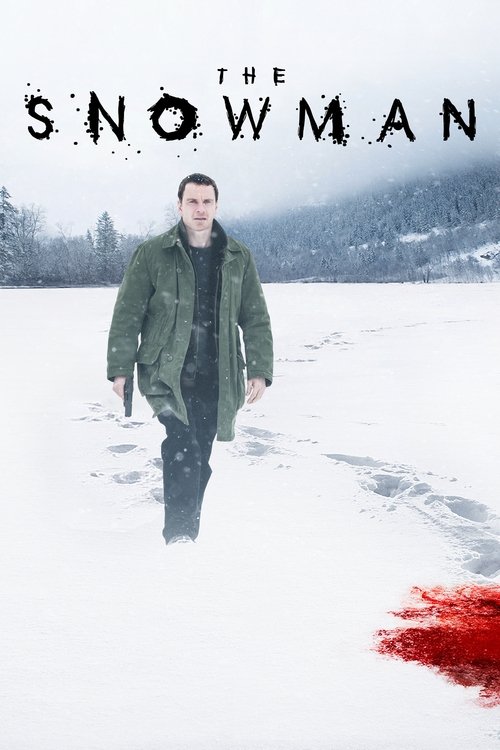
The Snowman
Detective Harry Hole investigates the disappearance of a woman whose pink scarf is found wrapped around an ominous looking snowman.
Working with a respectable budget of $35.0M, the film achieved a modest success with $43.2M in global revenue (+23% profit margin).


Plot Structure
Story beats plotted across runtime


Narrative Arc
Emotional journey through the story's key moments
Story Circle
Blueprint 15-beat structure
Arcplot Score Breakdown
Weighted: Precision (70%) + Arc (15%) + Theme (15%)
The Snowman (2017) exemplifies strategically placed story structure, characteristic of Tomas Alfredson's storytelling approach. This structural analysis examines how the film's 15-point plot structure maps to proven narrative frameworks across 1 hour and 59 minutes. With an Arcplot score of 7.4, the film balances conventional beats with creative variation.
Characters
Cast & narrative archetypes

Harry Hole
Katrine Bratt
Mathias Lund-Helgesen
Rakel Fauke
Arve Stop
Gert Rafto
Gunnar Hagen
Oleg Fauke
Main Cast & Characters
Harry Hole
Played by Michael Fassbender
A brilliant but troubled Oslo detective struggling with alcoholism who investigates a serial killer targeting women during the first snowfalls of winter.
Katrine Bratt
Played by Rebecca Ferguson
An ambitious young detective who joins Harry's investigation while secretly pursuing her own agenda connected to the case.
Mathias Lund-Helgesen
Played by Jonas Karlsson
A respected plastic surgeon and Rakel's new boyfriend who harbors dark secrets beneath his charming exterior.
Rakel Fauke
Played by Charlotte Gainsbourg
Harry's ex-girlfriend and mother of Oleg, who maintains a complicated relationship with Harry despite moving on.
Arve Stop
Played by J.K. Simmons
A wealthy Norwegian industrialist leading Oslo's bid for the Winter Sports World Championship with a history of exploitation.
Gert Rafto
Played by Val Kilmer
A deceased detective whose past investigation into similar murders connects to the current case through Katrine's obsession.
Gunnar Hagen
Played by Ronan Vibert
Harry's commanding officer at the Oslo Crime Squad who provides institutional support for the investigation.
Oleg Fauke
Played by Michael Yates
Rakel's teenage son who looks up to Harry as a father figure despite Harry's unreliability.
Structural Analysis
The Status Quo at 1 minutes (1% through the runtime) establishes Detective Harry Hole is shown as a troubled alcoholic, estranged from his family, sleeping through important moments in his life - establishing his broken state before the case begins.. Significantly, this early placement immediately immerses viewers in the story world.
The inciting incident occurs at 15 minutes when A woman named Birte Becker goes missing after the first snowfall, and Harry receives a mysterious letter signed "The Snowman" suggesting the writer knows about missing persons cases, pulling Harry into the investigation.. At 13% through the film, this Disruption is delayed, allowing extended setup of the story world. This beat shifts the emotional landscape, launching the protagonist into the central conflict.
The First Threshold at 30 minutes marks the transition into Act II, occurring at 25% of the runtime. This indicates the protagonist's commitment to Harry finds Birte's severed head mounted on a snowman in her yard, confirming a serial killer is active. He commits fully to the investigation, accepting this is not a simple missing persons case., moving from reaction to action.
At 60 minutes, the Midpoint arrives at 51% of the runtime—precisely centered, creating perfect narrative symmetry. Significantly, this crucial beat They discover the killer is targeting women connected to Gert Rafto, a detective who investigated similar cases years ago and died mysteriously. The stakes raise dramatically when they realize the killer has been active for over a decade and has personal connection to past investigations., fundamentally raising what's at risk. The emotional intensity shifts, dividing the narrative into clear before-and-after phases.
The Collapse moment at 90 minutes (76% through) represents the emotional nadir. Here, Rakel is kidnapped by the Snowman Killer. Harry's personal failure becomes complete - his inability to protect those he loves, his alcoholism, and his obsessive detective work have all led to this moment. The case has claimed someone he loves., demonstrates the protagonist at their lowest point. This beat's placement in the final quarter sets up the climactic reversal.
The Second Threshold at 95 minutes initiates the final act resolution at 80% of the runtime. Harry realizes the killer's identity - Dr. Mathias Lund-Helgesen, the fertility doctor whose mother was one of Rafto's victims. The connections click: childhood trauma, the snowman symbol from the prologue, and the pattern of targeting unfaithful mothers. Harry knows where to find him., demonstrating the transformation achieved throughout the journey.
Emotional Journey
The Snowman's emotional architecture traces a deliberate progression across 15 carefully calibrated beats.
Narrative Framework
This structural analysis employs structural analysis methodology used to understand storytelling architecture. By mapping The Snowman against these established plot points, we can identify how Tomas Alfredson utilizes or subverts traditional narrative conventions. The plot point approach reveals not only adherence to structural principles but also creative choices that distinguish The Snowman within the crime genre.
Tomas Alfredson's Structural Approach
Among the 3 Tomas Alfredson films analyzed on Arcplot, the average structural score is 7.4, reflecting strong command of classical structure. The Snowman represents one of the director's most structurally precise works. For comparative analysis, explore the complete Tomas Alfredson filmography.
Comparative Analysis
Additional crime films include The Bad Guys, Rustom and The Whole Ten Yards. For more Tomas Alfredson analyses, see Tinker Tailor Soldier Spy, Let the Right One In.
Plot Points by Act
Act I
SetupStatus Quo
Detective Harry Hole is shown as a troubled alcoholic, estranged from his family, sleeping through important moments in his life - establishing his broken state before the case begins.
Theme
A character mentions that "the first snowfall always brings something" - hinting at the theme of how the past returns to haunt us and patterns repeat until confronted.
Worldbuilding
Introduction to Oslo's elite crime unit, Harry's dysfunctional relationships with his ex-partner Rakel and her son Oleg, and the cold Norwegian setting. The prologue shows a traumatic event from years ago involving a boy and his mother.
Disruption
A woman named Birte Becker goes missing after the first snowfall, and Harry receives a mysterious letter signed "The Snowman" suggesting the writer knows about missing persons cases, pulling Harry into the investigation.
Resistance
Harry initially resists full involvement due to his personal problems. New recruit Katrine Bratt pushes to investigate connections to old cases. They debate whether there's a pattern, and Harry begins to see links to a serial killer.
Act II
ConfrontationFirst Threshold
Harry finds Birte's severed head mounted on a snowman in her yard, confirming a serial killer is active. He commits fully to the investigation, accepting this is not a simple missing persons case.
Mirror World
Harry's partnership with Katrine deepens as they work together. She represents dedication and sobriety - everything Harry is not - and their relationship will force him to confront his failures as both detective and father figure.
Premise
Harry and Katrine investigate multiple disappearances, discovering all victims were mothers with secret affairs. They uncover connections to a fertility clinic and trace patterns across years. The detective work intensifies as bodies are discovered in increasingly disturbing ways.
Midpoint
They discover the killer is targeting women connected to Gert Rafto, a detective who investigated similar cases years ago and died mysteriously. The stakes raise dramatically when they realize the killer has been active for over a decade and has personal connection to past investigations.
Opposition
The investigation intensifies but leads grow cold. Political pressure mounts. Katrine's secret connection to the case is revealed - Rafto was her mentor and lover. Harry's drinking worsens. The killer stays ahead of them, taunting Harry while more women disappear.
Collapse
Rakel is kidnapped by the Snowman Killer. Harry's personal failure becomes complete - his inability to protect those he loves, his alcoholism, and his obsessive detective work have all led to this moment. The case has claimed someone he loves.
Crisis
Harry processes his darkest moment, confronting his failures as a protector. He must synthesize all the clues while racing against time. Katrine reveals the full truth about her connection to the original cases and Rafto's death.
Act III
ResolutionSecond Threshold
Harry realizes the killer's identity - Dr. Mathias Lund-Helgesen, the fertility doctor whose mother was one of Rafto's victims. The connections click: childhood trauma, the snowman symbol from the prologue, and the pattern of targeting unfaithful mothers. Harry knows where to find him.
Synthesis
Harry tracks Mathias to a remote location where Rakel is held. A confrontation ensues on a frozen lake. Harry uses both his detective skills and his understanding of trauma and obsession. The final battle combines physical danger with psychological revelation as Mathias's childhood trauma is fully revealed.
Transformation
Harry has saved Rakel and stopped the killer. Though still damaged, he has proven he can protect those he loves when it matters. He reconnects with Oleg, suggesting a path toward redemption and healing, mirroring the opening but showing growth.