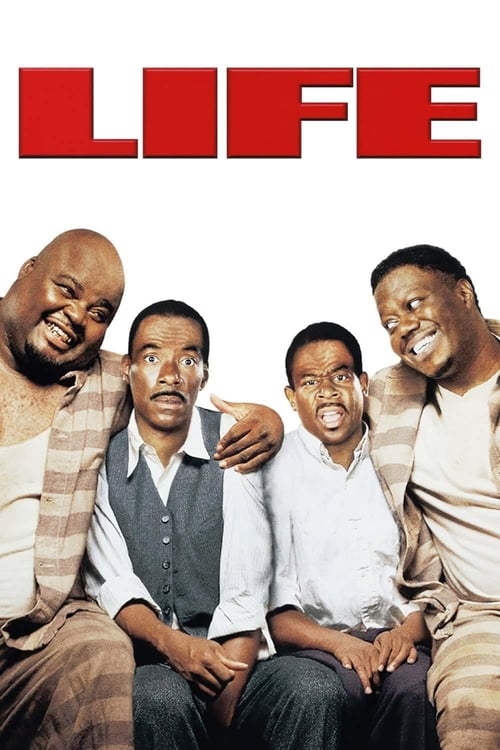
Life
Two men in 1930s Mississippi become friends after being sentenced to life in prison together for a crime they did not commit.
The film underperformed commercially against its substantial budget of $80.0M, earning $73.5M globally (-8% loss).
Nominated for 1 Oscar. 1 win & 6 nominations


Plot Structure
Story beats plotted across runtime


Narrative Arc
Emotional journey through the story's key moments
Story Circle
Blueprint 15-beat structure
Arcplot Score Breakdown
Weighted: Precision (70%) + Arc (15%) + Theme (15%)
Life (1999) showcases carefully calibrated narrative architecture, characteristic of Ted Demme's storytelling approach. This structural analysis examines how the film's 15-point plot structure maps to proven narrative frameworks across 1 hour and 48 minutes. With an Arcplot score of 7.1, the film balances conventional beats with creative variation.
Characters
Cast & narrative archetypes

Rayford 'Ray' Gibson
Claude Banks
Willie Long
Biscuit
Jangles
Superintendent Dexter Wilkins
Sergeant Dillard
Cookie
Main Cast & Characters
Rayford 'Ray' Gibson
Played by Eddie Murphy
A fast-talking hustler wrongly convicted of murder who maintains his optimism and humanity through decades in prison.
Claude Banks
Played by Martin Lawrence
A straight-laced banker framed for murder who initially resists prison life but eventually finds purpose and friendship.
Willie Long
Played by Bernie Mac
A gentle giant serving life in prison who becomes a loyal friend and protector to Ray and Claude.
Biscuit
Played by Miguel A. Núñez Jr.
A kind-hearted inmate who befriends Ray and Claude, providing comic relief and wisdom during their sentence.
Jangles
Played by Rick James
An elderly inmate who has been in prison the longest and serves as a voice of experience and resignation.
Superintendent Dexter Wilkins
Played by Ned Vaughn
The corrupt and cruel warden who runs the prison camp with an iron fist and racist brutality.
Sergeant Dillard
Played by Nick Cassavetes
A sadistic prison guard who takes pleasure in tormenting inmates, especially Ray and Claude.
Cookie
Played by Anthony Anderson
The prison cook who works in the kitchen and becomes part of the prison community.
Structural Analysis
The Status Quo at 1 minutes (1% through the runtime) establishes 1932 Harlem - Ray Gibson hustles in a club while Claude Banks works as a bank teller, both living separate ordinary lives in their respective worlds before their paths cross.. Structural examination shows that this early placement immediately immerses viewers in the story world.
The inciting incident occurs at 12 minutes when At a Mississippi juke joint, a white man is murdered. Ray and Claude are framed for the crime by the racist sheriff despite being innocent bystanders.. At 11% through the film, this Disruption aligns precisely with traditional story structure. This beat shifts the emotional landscape, launching the protagonist into the central conflict.
The First Threshold at 26 minutes marks the transition into Act II, occurring at 24% of the runtime. This illustrates the protagonist's commitment to Ray and Claude arrive at Camp 8 prison and must accept their new reality - they will spend their lives as convicts. They cross into the prison world permanently., moving from reaction to action.
At 51 minutes, the Midpoint arrives at 48% of the runtime—precisely centered, creating perfect narrative symmetry. Significantly, this crucial beat A failed escape attempt or realization that they will never leave prison. The fun and games end as they confront the permanence of their situation. Stakes raise as years continue to pass., fundamentally raising what's at risk. The emotional intensity shifts, dividing the narrative into clear before-and-after phases.
The Collapse moment at 77 minutes (71% through) represents the emotional nadir. Here, A beloved fellow inmate dies, or they face their own mortality as elderly men. The "whiff of death" - they will die in prison, having lost their entire lives to injustice., reveals the protagonist at their lowest point. This beat's placement in the final quarter sets up the climactic reversal.
The Second Threshold at 87 minutes initiates the final act resolution at 81% of the runtime. Ray and Claude realize their friendship is what gave their lives meaning. They choose dignity and loyalty to each other over bitterness. They fake death/escape or find final redemption through their bond., demonstrating the transformation achieved throughout the journey.
Emotional Journey
Life's emotional architecture traces a deliberate progression across 15 carefully calibrated beats.
Narrative Framework
This structural analysis employs structural analysis methodology used to understand storytelling architecture. By mapping Life against these established plot points, we can identify how Ted Demme utilizes or subverts traditional narrative conventions. The plot point approach reveals not only adherence to structural principles but also creative choices that distinguish Life within the comedy genre.
Ted Demme's Structural Approach
Among the 4 Ted Demme films analyzed on Arcplot, the average structural score is 7.1, reflecting strong command of classical structure. Life represents one of the director's most structurally precise works. For comparative analysis, explore the complete Ted Demme filmography.
Comparative Analysis
Additional comedy films include The Bad Guys, Ella Enchanted and The Evening Star. For more Ted Demme analyses, see Beautiful Girls, The Ref and Blow.
Plot Points by Act
Act I
SetupStatus Quo
1932 Harlem - Ray Gibson hustles in a club while Claude Banks works as a bank teller, both living separate ordinary lives in their respective worlds before their paths cross.
Theme
An older character mentions "Sometimes life gives you lemons, you gotta make lemonade" - establishing the theme of making the best of terrible circumstances and finding dignity despite injustice.
Worldbuilding
Ray and Claude are introduced as opposites - Ray is a fast-talking hustler, Claude is educated and cautious. They meet when Ray gets Claude involved in a bootlegging run to Mississippi to pay off Ray's debt.
Disruption
At a Mississippi juke joint, a white man is murdered. Ray and Claude are framed for the crime by the racist sheriff despite being innocent bystanders.
Resistance
Ray and Claude are arrested, tried in a sham trial, and sentenced to life in prison at Mississippi State Penitentiary. They debate whether to accept their fate or fight, but are powerless against the Jim Crow justice system.
Act II
ConfrontationFirst Threshold
Ray and Claude arrive at Camp 8 prison and must accept their new reality - they will spend their lives as convicts. They cross into the prison world permanently.
Mirror World
The prison community is introduced - fellow inmates become their surrogate family. The relationships here will teach them about friendship, loyalty, and dignity despite circumstances.
Premise
Ray and Claude navigate prison life through the 1930s-40s. Comedy comes from their bickering relationship, their schemes, and the colorful prison characters. They attempt small rebellions and maintain hope for freedom.
Midpoint
A failed escape attempt or realization that they will never leave prison. The fun and games end as they confront the permanence of their situation. Stakes raise as years continue to pass.
Opposition
Decades pass (1950s-60s). Friends die, hope fades. The warden and system continue to oppress them. Ray and Claude's mutual blame and bickering intensifies as they face the reality of growing old in prison.
Collapse
A beloved fellow inmate dies, or they face their own mortality as elderly men. The "whiff of death" - they will die in prison, having lost their entire lives to injustice.
Crisis
Ray and Claude, now elderly, face their darkest moment. They process their grief and confront whether their friendship and dignity matter if they die as convicted murderers.
Act III
ResolutionSecond Threshold
Ray and Claude realize their friendship is what gave their lives meaning. They choose dignity and loyalty to each other over bitterness. They fake death/escape or find final redemption through their bond.
Synthesis
Ray and Claude execute their final plan - faking death to escape prison in their old age. They reclaim their freedom and agency after 65 years, choosing how their story ends.
Transformation
Ray and Claude as free elderly men, finally escaped, sitting together in freedom. Unlike the opening where they were separate and adversarial, they are now bonded brothers who survived together with dignity intact.