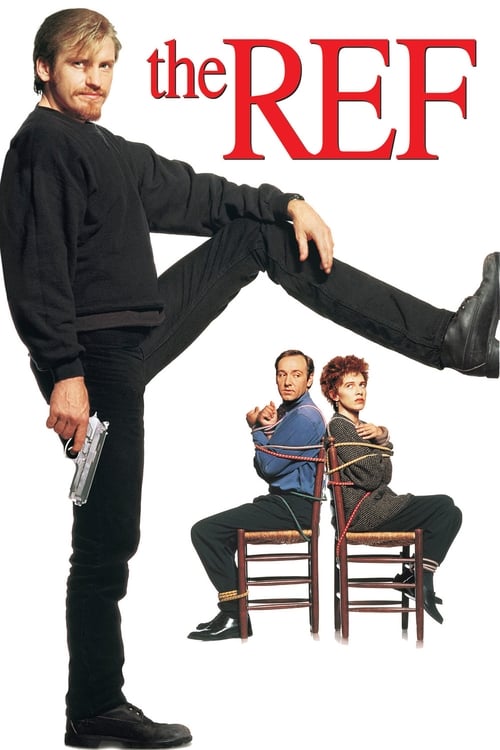
The Ref
A cat burglar is forced to take a bickering, dysfunctional family hostage on Christmas Eve.
Working with a tight budget of $11.0M, the film achieved a modest success with $11.4M in global revenue (+4% profit margin).
1 win & 1 nomination


Plot Structure
Story beats plotted across runtime


Narrative Arc
Emotional journey through the story's key moments
Story Circle
Blueprint 15-beat structure
Arcplot Score Breakdown
Weighted: Precision (70%) + Arc (15%) + Theme (15%)
The Ref (1994) exhibits carefully calibrated narrative design, characteristic of Ted Demme's storytelling approach. This structural analysis examines how the film's 15-point plot structure maps to proven narrative frameworks across 1 hour and 37 minutes. With an Arcplot score of 7.4, the film balances conventional beats with creative variation.
Structural Analysis
The Status Quo at 1 minutes (1% through the runtime) establishes Gus, a cat burglar, is fleeing through snowy woods after a botched heist, establishing his desperate situation as a criminal on the run.. Structural examination shows that this early placement immediately immerses viewers in the story world.
The inciting incident occurs at 12 minutes when Gus breaks into the Chasseur home and takes Caroline and Lloyd hostage at gunpoint, forcing them to pretend everything is normal when family arrives.. At 12% through the film, this Disruption aligns precisely with traditional story structure. This beat shifts the emotional landscape, launching the protagonist into the central conflict.
The First Threshold at 25 minutes marks the transition into Act II, occurring at 25% of the runtime. This reveals the protagonist's commitment to The extended family arrives for Christmas Eve dinner. Gus decides to pose as the couple's marriage counselor "Dr. Wong" and stay through the holiday, fully committing to the charade., moving from reaction to action.
At 49 minutes, the Midpoint arrives at 50% of the runtime—precisely centered, creating perfect narrative symmetry. Of particular interest, this crucial beat The truth about Lloyd's embezzlement from his mother is revealed during dinner, and the police are closing in on Gus's location. Stakes raise dramatically as both storylines intensify., fundamentally raising what's at risk. The emotional intensity shifts, dividing the narrative into clear before-and-after phases.
The Collapse moment at 73 minutes (75% through) represents the emotional nadir. Here, The police surround the house and the family discovers Gus is actually a criminal holding them hostage. Gus's entire plan collapses and he seems trapped with no escape., demonstrates the protagonist at their lowest point. This beat's placement in the final quarter sets up the climactic reversal.
The Second Threshold at 78 minutes initiates the final act resolution at 80% of the runtime. Caroline and Lloyd realize Gus helped them more than any real therapist. They decide to help him escape, choosing honesty and making an active choice to save their unlikely savior., demonstrating the transformation achieved throughout the journey.
Emotional Journey
The Ref's emotional architecture traces a deliberate progression across 15 carefully calibrated beats.
Narrative Framework
This structural analysis employs systematic plot point analysis that identifies crucial turning points. By mapping The Ref against these established plot points, we can identify how Ted Demme utilizes or subverts traditional narrative conventions. The plot point approach reveals not only adherence to structural principles but also creative choices that distinguish The Ref within the comedy genre.
Ted Demme's Structural Approach
Among the 4 Ted Demme films analyzed on Arcplot, the average structural score is 7.1, reflecting strong command of classical structure. The Ref represents one of the director's most structurally precise works. For comparative analysis, explore the complete Ted Demme filmography.
Comparative Analysis
Additional comedy films include The Bad Guys, Ella Enchanted and The Evening Star. For more Ted Demme analyses, see Beautiful Girls, Life and Blow.
Plot Points by Act
Act I
SetupStatus Quo
Gus, a cat burglar, is fleeing through snowy woods after a botched heist, establishing his desperate situation as a criminal on the run.
Theme
Caroline and Lloyd's marriage counselor discusses how they can't communicate and need to be honest with each other - stating the film's theme about honesty and communication in relationships.
Worldbuilding
Establishes the dysfunctional Chasseur family preparing for Christmas Eve with Lloyd's horrible mother and relatives coming. Caroline and Lloyd bicker constantly, revealing their toxic marriage dynamic.
Disruption
Gus breaks into the Chasseur home and takes Caroline and Lloyd hostage at gunpoint, forcing them to pretend everything is normal when family arrives.
Resistance
Gus forces the couple to maintain appearances while trying to figure out his escape plan. Caroline and Lloyd continue fighting despite being hostages, frustrating Gus who becomes an unwilling mediator.
Act II
ConfrontationFirst Threshold
The extended family arrives for Christmas Eve dinner. Gus decides to pose as the couple's marriage counselor "Dr. Wong" and stay through the holiday, fully committing to the charade.
Mirror World
Gus begins actively counseling Caroline and Lloyd, forcing them to confront their issues. He becomes the mirror that reflects their dysfunction, embodying the honesty they lack.
Premise
The fun and games of Gus managing the hostile family dinner while posing as a therapist. He mediates family conflicts, deals with Lloyd's awful mother Rose, and keeps the hostage situation hidden while Caroline and Lloyd's secrets spill out.
Midpoint
The truth about Lloyd's embezzlement from his mother is revealed during dinner, and the police are closing in on Gus's location. Stakes raise dramatically as both storylines intensify.
Opposition
Everything falls apart: the family discovers more secrets, Lieutenant Huff and the police narrow their search, Gus's accomplice Murray becomes a liability, and Caroline and Lloyd's marriage reaches its breaking point.
Collapse
The police surround the house and the family discovers Gus is actually a criminal holding them hostage. Gus's entire plan collapses and he seems trapped with no escape.
Crisis
Gus faces capture while Caroline and Lloyd process everything that's been revealed. The family must decide whether to turn in their "therapist" who actually helped them confront their dysfunction.
Act III
ResolutionSecond Threshold
Caroline and Lloyd realize Gus helped them more than any real therapist. They decide to help him escape, choosing honesty and making an active choice to save their unlikely savior.
Synthesis
The family works together to help Gus escape from the police. Caroline and Lloyd use their newfound communication skills and honesty to execute the plan while confronting Rose and reclaiming their relationship.
Transformation
Gus escapes to freedom while Caroline and Lloyd stand together as a united couple for the first time, having learned to communicate honestly. The family dysfunction has been healed through their bizarre ordeal.