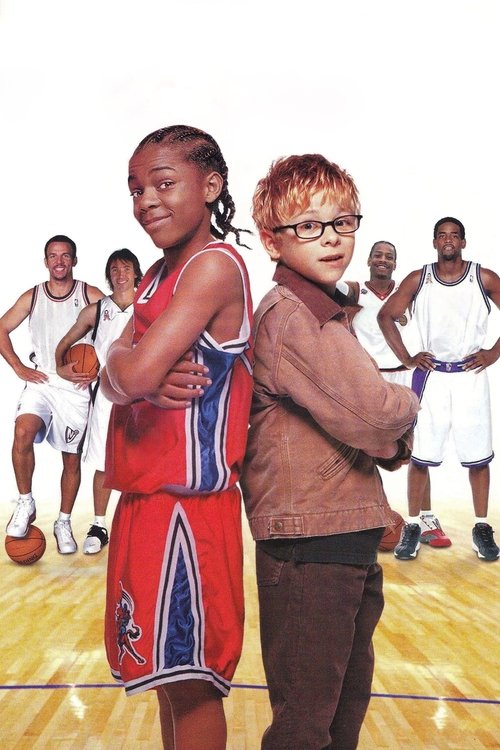
Like Mike
Calvin and his friends, who all live in an orphanage, find old shoes with the faded letters MJ connected to a powerline. One stormy night, they go to get the shoes when Calvin and the shoes are struck by lightning. Calvin now has unbelievable basketball powers and has the chance to play for the NBA.
Despite a moderate budget of $30.0M, Like Mike became a financial success, earning $62.3M worldwide—a 108% return.
1 win & 6 nominations


Plot Structure
Story beats plotted across runtime


Narrative Arc
Emotional journey through the story's key moments
Story Circle
Blueprint 15-beat structure
Arcplot Score Breakdown
Weighted: Precision (70%) + Arc (15%) + Theme (15%)
Like Mike (2002) showcases deliberately positioned narrative design, characteristic of John Schultz's storytelling approach. This structural analysis examines how the film's 15-point plot structure maps to proven narrative frameworks across 1 hour and 39 minutes. With an Arcplot score of 7.4, the film balances conventional beats with creative variation.
Characters
Cast & narrative archetypes

Calvin Cambridge
Tracy Reynolds
Murph
Reg Stevens
Coach Wagner
Ox
Main Cast & Characters
Calvin Cambridge
Played by Lil' Bow Wow
An orphaned teenager who gains basketball superpowers from magic sneakers and joins the NBA
Tracy Reynolds
Played by Morris Chestnut
An NBA star struggling with his career who becomes Calvin's friend and mentor
Murph
Played by Jonathan Lipnicki
Calvin's loyal best friend from the orphanage who supports his NBA journey
Reg Stevens
Played by Crispin Glover
Calvin's corrupt orphanage director who exploits the children for profit
Coach Wagner
Played by Robert Forster
The Knights' head coach who initially doubts Calvin but learns to believe in him
Ox
Played by Jesse Plemons
Calvin's protective friend from the orphanage
Structural Analysis
The Status Quo at 1 minutes (1% through the runtime) establishes Calvin Cambridge, a 14-year-old orphan, watches NBA games on TV at Chesterfield orphanage, dreaming of basketball stardom despite his small stature. He lives in a world where he's overlooked and powerless.. Structural examination shows that this early placement immediately immerses viewers in the story world.
The inciting incident occurs at 12 minutes when Calvin discovers a pair of old sneakers hanging from a power line with the faded initials "M.J." He believes they belonged to Michael Jordan. During a thunderstorm, lightning strikes as he makes a wish, and the shoes appear to gain magical powers.. At 12% through the film, this Disruption aligns precisely with traditional story structure. This beat shifts the emotional landscape, launching the protagonist into the central conflict.
The First Threshold at 24 minutes marks the transition into Act II, occurring at 24% of the runtime. This reveals the protagonist's commitment to Calvin signs a contract to play for the Los Angeles Knights NBA team. He makes the active choice to enter the professional basketball world, leaving behind his ordinary orphan life., moving from reaction to action.
At 50 minutes, the Midpoint arrives at 50% of the runtime—precisely centered, creating perfect narrative symmetry. Of particular interest, this crucial beat The Knights win a major game and Calvin becomes a national sensation. False victory: everything seems perfect—he's famous, the team is winning, and he's living with Tracy. But the stakes raise as his reliance on the shoes deepens and Bittleman becomes more threatening., fundamentally raising what's at risk. The emotional intensity shifts, dividing the narrative into clear before-and-after phases.
The Collapse moment at 73 minutes (73% through) represents the emotional nadir. Here, Calvin loses the magic shoes (they're stolen/taken by Bittleman or destroyed). His powers disappear. Metaphorical death: the death of his false identity and the magical shortcut to success. He faces returning to being "just Calvin"—powerless and ordinary., indicates the protagonist at their lowest point. This beat's placement in the final quarter sets up the climactic reversal.
The Second Threshold at 79 minutes initiates the final act resolution at 80% of the runtime. Tracy (or Sister Theresa) reminds Calvin of the theme: "It's not about the shoes." Calvin realizes his real growth came from his courage, heart, and the confidence he gained. He synthesizes this internal strength with his love of the game and chooses to play the final game without magic., demonstrating the transformation achieved throughout the journey.
Emotional Journey
Like Mike's emotional architecture traces a deliberate progression across 15 carefully calibrated beats.
Narrative Framework
This structural analysis employs a 15-point narrative structure framework that maps key story moments. By mapping Like Mike against these established plot points, we can identify how John Schultz utilizes or subverts traditional narrative conventions. The plot point approach reveals not only adherence to structural principles but also creative choices that distinguish Like Mike within the family genre.
John Schultz's Structural Approach
Among the 5 John Schultz films analyzed on Arcplot, the average structural score is 7.3, reflecting strong command of classical structure. Like Mike represents one of the director's most structurally precise works. For comparative analysis, explore the complete John Schultz filmography.
Comparative Analysis
Additional family films include The Black Stallion, The Bad Guys and Ella Enchanted. For more John Schultz analyses, see Judy Moody and the Not Bummer Summer, Drive Me Crazy and Aliens in the Attic.
Plot Points by Act
Act I
SetupStatus Quo
Calvin Cambridge, a 14-year-old orphan, watches NBA games on TV at Chesterfield orphanage, dreaming of basketball stardom despite his small stature. He lives in a world where he's overlooked and powerless.
Theme
Sister Theresa tells Calvin, "It's not about the shoes, it's about what's inside you." The theme of inner potential versus external advantages is established.
Worldbuilding
Establishment of Calvin's world: the orphanage run by corrupt director Stan Bittleman who exploits the children, Calvin's friendship with Murph and Reg, his love for basketball, and his dream of being adopted and playing in the NBA.
Disruption
Calvin discovers a pair of old sneakers hanging from a power line with the faded initials "M.J." He believes they belonged to Michael Jordan. During a thunderstorm, lightning strikes as he makes a wish, and the shoes appear to gain magical powers.
Resistance
Calvin discovers the shoes give him extraordinary basketball abilities. He debates what to do with this gift. At a local game, he impresses a talent scout. He's uncertain whether to pursue this opportunity and what it means.
Act II
ConfrontationFirst Threshold
Calvin signs a contract to play for the Los Angeles Knights NBA team. He makes the active choice to enter the professional basketball world, leaving behind his ordinary orphan life.
Mirror World
Calvin meets Tracy Reynolds, the team's coach and a father figure who sees potential in him beyond just basketball. Tracy represents the theme: genuine care and inner worth matter more than fame or magic shoes.
Premise
The promise of the premise: Calvin plays professional basketball with his magical shoes, experiencing fame, success, and the NBA lifestyle. He moves in with Tracy, gains confidence, helps turn the Knights into a winning team, and enjoys his new celebrity status.
Midpoint
The Knights win a major game and Calvin becomes a national sensation. False victory: everything seems perfect—he's famous, the team is winning, and he's living with Tracy. But the stakes raise as his reliance on the shoes deepens and Bittleman becomes more threatening.
Opposition
Pressure mounts from multiple directions: Bittleman threatens to take Calvin back to the orphanage, demanding money. Calvin becomes increasingly dependent on the shoes and fears losing them. His teammates grow suspicious. The gap between his public success and private insecurity widens.
Collapse
Calvin loses the magic shoes (they're stolen/taken by Bittleman or destroyed). His powers disappear. Metaphorical death: the death of his false identity and the magical shortcut to success. He faces returning to being "just Calvin"—powerless and ordinary.
Crisis
Calvin's dark night: he must confront who he is without the shoes. He feels he's let everyone down—Tracy, his teammates, his friends at the orphanage. He processes the loss and contemplates giving up basketball entirely.
Act III
ResolutionSecond Threshold
Tracy (or Sister Theresa) reminds Calvin of the theme: "It's not about the shoes." Calvin realizes his real growth came from his courage, heart, and the confidence he gained. He synthesizes this internal strength with his love of the game and chooses to play the final game without magic.
Synthesis
The championship game finale: Calvin plays without the magical shoes, using his real skills, heart, and what he's learned. He makes the crucial play not through magic but through genuine ability and teamwork. Bittleman is exposed and defeated. Tracy adopts Calvin, along with Murph and Reg.
Transformation
Final image mirrors the opening: Calvin plays basketball, but now he's confident, has a family (Tracy), and knows his worth comes from within. He's transformed from a powerless orphan seeking external validation to a young man who understands his true value.