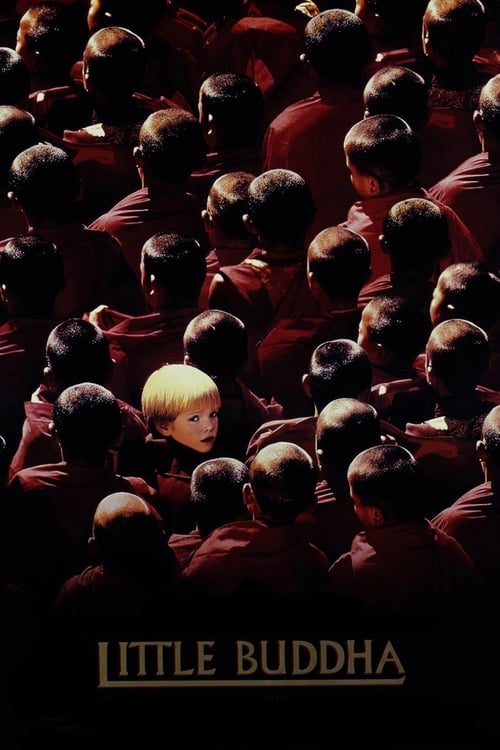
Little Buddha
After the death of Lama Dorje, Tibetan Buddhist monks find three children — one American and two Nepalese — who may be the rebirth of their great teacher.
The film box office disappointment against its respectable budget of $35.0M, earning $4.9M globally (-86% loss). While initial box office returns were modest, the film has gained appreciation for its fresh perspective within the drama genre.
2 wins & 3 nominations


Plot Structure
Story beats plotted across runtime


Narrative Arc
Emotional journey through the story's key moments
Story Circle
Blueprint 15-beat structure
Arcplot Score Breakdown
Weighted: Precision (70%) + Arc (15%) + Theme (15%)
Little Buddha (1993) exhibits meticulously timed story structure, characteristic of Bernardo Bertolucci's storytelling approach. This structural analysis examines how the film's 15-point plot structure maps to proven narrative frameworks across 2 hours and 3 minutes. With an Arcplot score of 6.9, the film balances conventional beats with creative variation.
Characters
Cast & narrative archetypes

Jesse Conrad
Lama Norbu
Prince Siddhartha
Dean Conrad
Lisa Conrad
Raju
Gita
Champa
Kenpo Tenzin
Main Cast & Characters
Jesse Conrad
Played by Alex Wiesendanger
An American boy believed to be the reincarnation of Lama Dorje, navigating his dual identity between Western childhood and Buddhist destiny.
Lama Norbu
Played by Ying Ruocheng
A Tibetan Buddhist teacher who travels to Seattle seeking the reincarnation of his beloved master, serving as spiritual guide to Jesse and his family.
Prince Siddhartha
Played by Keanu Reeves
The historical Buddha shown in flashbacks, depicting his journey from sheltered prince to enlightened teacher who renounces worldly pleasures.
Dean Conrad
Played by Chris Isaak
Jesse's father, a skeptical Seattle architect who struggles to accept the monks' claims about his son while dealing with personal grief.
Lisa Conrad
Played by Bridget Fonda
Jesse's mother who recently died, appearing in memories and shaping the family's spiritual openness and emotional journey.
Raju
Played by Raju Lal
A young Indian boy also identified as a potential reincarnation of Lama Dorje, representing the Buddhist tradition in a different cultural context.
Gita
Played by Greishma Makar Singh
Raju's mother, a devoted woman who embraces the possibility of her son being a reincarnated lama with faith and reverence.
Champa
Played by Sogyal Rinpoche
A young Nepalese girl and third candidate for Lama Dorje's reincarnation, embodying wisdom and compassion beyond her years.
Kenpo Tenzin
Played by Jigme Kunsang
A senior Tibetan monk who accompanies Lama Norbu on the search for the reincarnation, providing traditional wisdom and support.
Structural Analysis
The Status Quo at 1 minutes (1% through the runtime) establishes Jesse Conrad lives an ordinary life in Seattle with his parents Dean and Lisa. He is a normal American boy in a comfortable, secular household untouched by spiritual concerns.. Notably, this early placement immediately immerses viewers in the story world.
The inciting incident occurs at 15 minutes when Lama Norbu and monks arrive at the Conrad home claiming nine-year-old Jesse may be the reincarnation of their deceased teacher, Lama Dorje. This mystical intrusion disrupts the family's rational, Western worldview.. At 12% through the film, this Disruption aligns precisely with traditional story structure. This beat shifts the emotional landscape, launching the protagonist into the central conflict.
The First Threshold at 31 minutes marks the transition into Act II, occurring at 25% of the runtime. This shows the protagonist's commitment to Dean and Lisa decide to allow Jesse to travel to Bhutan with Lama Norbu for testing, actively choosing to enter the spiritual world despite their skepticism. This commits them to the journey of discovery., moving from reaction to action.
At 62 minutes, the Midpoint arrives at 50% of the runtime—precisely centered, creating perfect narrative symmetry. Structural examination shows that this crucial beat Siddhartha (in the historical narrative) achieves enlightenment under the Bodhi tree, becoming Buddha. This false victory represents the apex of the spiritual journey but also raises the stakes—can Jesse and the others achieve similar awakening?., fundamentally raising what's at risk. The emotional intensity shifts, dividing the narrative into clear before-and-after phases.
The Collapse moment at 92 minutes (74% through) represents the emotional nadir. Here, The discovery that all three children—Jesse, Raju, and Gita—are partial reincarnations of Lama Dorje. The "death" of the singular answer and certainty. The Western need for definitive truth collapses into Buddhist multiplicity and paradox., indicates the protagonist at their lowest point. This beat's placement in the final quarter sets up the climactic reversal.
The Second Threshold at 100 minutes initiates the final act resolution at 81% of the runtime. Dean accepts what cannot be rationally explained, surrendering to mystery. The synthesis: one can honor both Western life and Eastern spiritual truth. Jesse can be both American boy and reincarnated lama., demonstrating the transformation achieved throughout the journey.
Emotional Journey
Little Buddha's emotional architecture traces a deliberate progression across 15 carefully calibrated beats.
Narrative Framework
This structural analysis employs systematic plot point analysis that identifies crucial turning points. By mapping Little Buddha against these established plot points, we can identify how Bernardo Bertolucci utilizes or subverts traditional narrative conventions. The plot point approach reveals not only adherence to structural principles but also creative choices that distinguish Little Buddha within the drama genre.
Bernardo Bertolucci's Structural Approach
Among the 5 Bernardo Bertolucci films analyzed on Arcplot, the average structural score is 6.9, demonstrating varied approaches to story architecture. Little Buddha represents one of the director's most structurally precise works. For comparative analysis, explore the complete Bernardo Bertolucci filmography.
Comparative Analysis
Additional drama films include After Thomas, South Pacific and Dirty Dancing: Havana Nights. For more Bernardo Bertolucci analyses, see Stealing Beauty, The Dreamers and Last Tango in Paris.
Plot Points by Act
Act I
SetupStatus Quo
Jesse Conrad lives an ordinary life in Seattle with his parents Dean and Lisa. He is a normal American boy in a comfortable, secular household untouched by spiritual concerns.
Theme
Lama Norbu speaks about reincarnation and the search for their teacher's rebirth, introducing the film's central question: "Can we transcend death and suffering through spiritual enlightenment?"
Worldbuilding
Introduction to the Conrad family, their Seattle home, and Dean's architectural work. Simultaneously, we meet the Tibetan monks searching for their reincarnated master. The parallel worlds are established: modern Western materialism and ancient Eastern spirituality.
Disruption
Lama Norbu and monks arrive at the Conrad home claiming nine-year-old Jesse may be the reincarnation of their deceased teacher, Lama Dorje. This mystical intrusion disrupts the family's rational, Western worldview.
Resistance
Dean resists the monks' claims while Lisa is more open. Lama Norbu begins telling Jesse the story of Prince Siddhartha to introduce Buddhist teachings. The family debates whether to engage with this spiritual journey or reject it as absurd.
Act II
ConfrontationFirst Threshold
Dean and Lisa decide to allow Jesse to travel to Bhutan with Lama Norbu for testing, actively choosing to enter the spiritual world despite their skepticism. This commits them to the journey of discovery.
Mirror World
In Bhutan, Jesse meets Raju (from Kathmandu) and Gita (from Pune), two other children identified as possible reincarnations. This creates a mirror community where Jesse is no longer alone in his spiritual questioning.
Premise
The promise of the premise: Jesse explores Buddhist monastery life and undergoes tests while Lama Norbu continues the tale of Siddhartha's journey from sheltered prince to spiritual seeker. Parallel stories of awakening unfold through beautiful cinematography and teaching.
Midpoint
Siddhartha (in the historical narrative) achieves enlightenment under the Bodhi tree, becoming Buddha. This false victory represents the apex of the spiritual journey but also raises the stakes—can Jesse and the others achieve similar awakening?
Opposition
Dean struggles with accepting the spiritual reality, creating family tension. The tests continue but clarity remains elusive. Buddha's story shows him facing Mara's temptations. The rational Western mind opposes the mystical Eastern path.
Collapse
The discovery that all three children—Jesse, Raju, and Gita—are partial reincarnations of Lama Dorje. The "death" of the singular answer and certainty. The Western need for definitive truth collapses into Buddhist multiplicity and paradox.
Crisis
Dean and the family process this incomprehensible truth. How can one soul exist in three bodies? The dark night of rational doubt. The family must sit with uncertainty and the limits of Western logic.
Act III
ResolutionSecond Threshold
Dean accepts what cannot be rationally explained, surrendering to mystery. The synthesis: one can honor both Western life and Eastern spiritual truth. Jesse can be both American boy and reincarnated lama.
Synthesis
The ceremonial recognition of all three children. Buddha's final teachings are completed. The family integrates the spiritual journey into their lives. East and West, ancient and modern, death and rebirth are reconciled.
Transformation
Jesse returns to Seattle transformed, carrying both identities. The closing image mirrors the opening but shows a child now awakened to spiritual dimensions, living between two worlds with grace and wisdom.