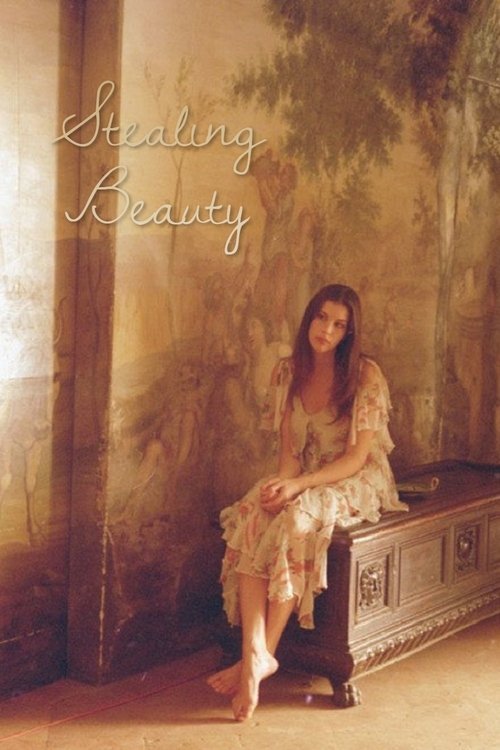
Stealing Beauty
Lucy Harmon, an American teenager is arriving in the lush Tuscan countryside to be sculpted by a family friend who lives in a beautiful villa. Lucy visited there four years earlier and exchanged a kiss with an Italian boy with whom she hopes to become reacquainted.
The film box office disappointment against its small-scale budget of $10.0M, earning $4.8M globally (-52% loss). While initial box office returns were modest, the film has gained appreciation for its unconventional structure within the drama genre.
3 wins & 11 nominations


Plot Structure
Story beats plotted across runtime


Narrative Arc
Emotional journey through the story's key moments
Story Circle
Blueprint 15-beat structure
Arcplot Score Breakdown
Weighted: Precision (70%) + Arc (15%) + Theme (15%)
Stealing Beauty (1996) showcases carefully calibrated dramatic framework, characteristic of Bernardo Bertolucci's storytelling approach. This structural analysis examines how the film's 15-point plot structure maps to proven narrative frameworks across 1 hour and 56 minutes. With an Arcplot score of 7.3, the film balances conventional beats with creative variation.
Characters
Cast & narrative archetypes

Lucy Harmon
Alex Parrish
Niccolò Donati
Diana Grayson
Ian Grayson
Miranda Fox
Christopher Fox
Carlo Lisca
Main Cast & Characters
Lucy Harmon
Played by Liv Tyler
A 19-year-old American who travels to Tuscany to stay with family friends, searching for answers about her late poet mother and her own identity.
Alex Parrish
Played by Jeremy Irons
A dying playwright who has harbored unrequited love for Lucy's mother and now becomes fascinated with Lucy herself.
Niccolò Donati
Played by Roberto Zibetti
A young Italian who becomes romantically interested in Lucy, representing youthful passion and local charm.
Diana Grayson
Played by Sinéad Cusack
The matriarch of the Tuscan villa, a sculptor and former friend of Lucy's mother who hosts the artistic community.
Ian Grayson
Played by Donal McCann
Diana's husband, a writer dealing with his own creative and personal struggles within the artistic household.
Miranda Fox
Played by Rachel Weisz
An entertainment lawyer visiting the villa, representing worldly sophistication and modern perspectives.
Christopher Fox
Played by D.W. Moffett
Miranda's brother, an art dealer who becomes one of Lucy's romantic interests.
Carlo Lisca
Played by Stefano Dionisi
An Italian artist who becomes infatuated with Lucy and pursues her romantically.
Structural Analysis
The Status Quo at 1 minutes (1% through the runtime) establishes Lucy Harmon, a 19-year-old American girl, arrives by train in Tuscany carrying her diary and her mother's ashes. She appears innocent, curious, searching—a young woman on the threshold of transformation.. Significantly, this early placement immediately immerses viewers in the story world.
The inciting incident occurs at 14 minutes when Lucy meets Niccolò, the beautiful young Italian who immediately captivates her. His presence ignites her desire and gives focus to her mission of sexual awakening—he becomes the object of her romantic fantasy and the catalyst for her coming-of-age journey.. At 12% through the film, this Disruption aligns precisely with traditional story structure. This beat shifts the emotional landscape, launching the protagonist into the central conflict.
The First Threshold at 29 minutes marks the transition into Act II, occurring at 25% of the runtime. This demonstrates the protagonist's commitment to Lucy makes the active decision to pursue Niccolò and openly embrace her quest for sexual experience. She stops being a passive observer and begins actively participating in the seductive games of the villa, crossing from childhood into the adult world of desire., moving from reaction to action.
At 58 minutes, the Midpoint arrives at 50% of the runtime—precisely centered, creating perfect narrative symmetry. Of particular interest, this crucial beat Lucy's romantic attempts with Niccolò fail painfully—he rejects her advances, revealing he is emotionally unavailable and damaged. This false defeat shatters her romantic fantasy and forces her to confront that her idealized vision of losing her virginity may not match reality., fundamentally raising what's at risk. The emotional intensity shifts, dividing the narrative into clear before-and-after phases.
The Collapse moment at 87 minutes (75% through) represents the emotional nadir. Here, Ian dies. The only person who truly saw Lucy as more than an object of desire or curiosity is gone. His death represents the "whiff of death"—the loss of innocence, the end of pure connection, and Lucy's darkest moment of isolation in this morally hollow world., indicates the protagonist at their lowest point. This beat's placement in the final quarter sets up the climactic reversal.
The Second Threshold at 93 minutes initiates the final act resolution at 80% of the runtime. Lucy discovers the truth: Alex is her biological father. This revelation provides clarity and closure to her search, giving her the information she came for. Armed with this knowledge and Ian's memory, she gains new understanding of what truly matters versus what she thought she wanted., demonstrating the transformation achieved throughout the journey.
Emotional Journey
Stealing Beauty's emotional architecture traces a deliberate progression across 15 carefully calibrated beats.
Narrative Framework
This structural analysis employs structural analysis methodology used to understand storytelling architecture. By mapping Stealing Beauty against these established plot points, we can identify how Bernardo Bertolucci utilizes or subverts traditional narrative conventions. The plot point approach reveals not only adherence to structural principles but also creative choices that distinguish Stealing Beauty within the drama genre.
Bernardo Bertolucci's Structural Approach
Among the 5 Bernardo Bertolucci films analyzed on Arcplot, the average structural score is 6.9, demonstrating varied approaches to story architecture. Stealing Beauty represents one of the director's most structurally precise works. For comparative analysis, explore the complete Bernardo Bertolucci filmography.
Comparative Analysis
Additional drama films include After Thomas, South Pacific and Dirty Dancing: Havana Nights. For more Bernardo Bertolucci analyses, see Little Buddha, The Dreamers and Last Tango in Paris.
Plot Points by Act
Act I
SetupStatus Quo
Lucy Harmon, a 19-year-old American girl, arrives by train in Tuscany carrying her diary and her mother's ashes. She appears innocent, curious, searching—a young woman on the threshold of transformation.
Theme
One of the villa guests observes that "innocence is the most dangerous thing of all" as they discuss Lucy's arrival. This introduces the film's central theme: the loss of innocence and the dangerous beauty of naïveté in a world of sophisticated corruption.
Worldbuilding
Lucy settles into the bohemian villa estate in Tuscany, meeting the eclectic group of artists, writers, and wealthy patrons. We learn her mother recently died, and she carries two secrets: finding her biological father among these people, and losing her virginity before summer ends.
Disruption
Lucy meets Niccolò, the beautiful young Italian who immediately captivates her. His presence ignites her desire and gives focus to her mission of sexual awakening—he becomes the object of her romantic fantasy and the catalyst for her coming-of-age journey.
Resistance
Lucy navigates the morally ambiguous world of the villa, observing affairs and sexual intrigue while receiving conflicting advice from various characters. She hesitates between her desire for experience and her fear of losing something precious, while subtly investigating which man might be her father.
Act II
ConfrontationFirst Threshold
Lucy makes the active decision to pursue Niccolò and openly embrace her quest for sexual experience. She stops being a passive observer and begins actively participating in the seductive games of the villa, crossing from childhood into the adult world of desire.
Mirror World
Lucy develops a meaningful connection with dying playwright Ian (Donal McCann), who treats her with genuine kindness and wisdom. Their relationship becomes the emotional heart that contrasts the superficial sexuality around her—he represents authentic connection versus hollow seduction.
Premise
Lucy explores the sensual Tuscan summer, attempting various romantic and sexual encounters, posing for a sculptor, swimming in moonlit pools, and experiencing the intoxicating beauty of the villa life. This is the "stealing beauty" the audience came for—the aesthetic and erotic promise of the film.
Midpoint
Lucy's romantic attempts with Niccolò fail painfully—he rejects her advances, revealing he is emotionally unavailable and damaged. This false defeat shatters her romantic fantasy and forces her to confront that her idealized vision of losing her virginity may not match reality.
Opposition
Lucy grows increasingly frustrated and disillusioned as her dual quests—finding her father and losing her virginity—become more complicated. The villa's moral corruption becomes more apparent; she realizes the bohemian paradise masks selfishness, infidelity, and predatory behavior. Ian's health deteriorates.
Collapse
Ian dies. The only person who truly saw Lucy as more than an object of desire or curiosity is gone. His death represents the "whiff of death"—the loss of innocence, the end of pure connection, and Lucy's darkest moment of isolation in this morally hollow world.
Crisis
Lucy grieves Ian and processes her summer of disillusionment. She contemplates leaving Tuscany without achieving either goal. In her despair, she questions whether truth and experience are worth the pain of disappointment, weighing whether ignorance might have been preferable.
Act III
ResolutionSecond Threshold
Lucy discovers the truth: Alex is her biological father. This revelation provides clarity and closure to her search, giving her the information she came for. Armed with this knowledge and Ian's memory, she gains new understanding of what truly matters versus what she thought she wanted.
Synthesis
Lucy loses her virginity—not to her idealized Niccolò but in a more realistic, less romantic encounter. She confronts her father with her knowledge, processes the complexity of the truth, and prepares to leave Tuscany. She integrates her experiences into a new, more mature understanding of love, sex, and identity.
Transformation
Lucy departs the villa, no longer the innocent girl who arrived. She carries her mother's memory, the truth about her father, and her experiences—both beautiful and disillusioning. Her face shows wisdom, sadness, and acceptance: she has stolen beauty from the summer, but beauty has also stolen her innocence.