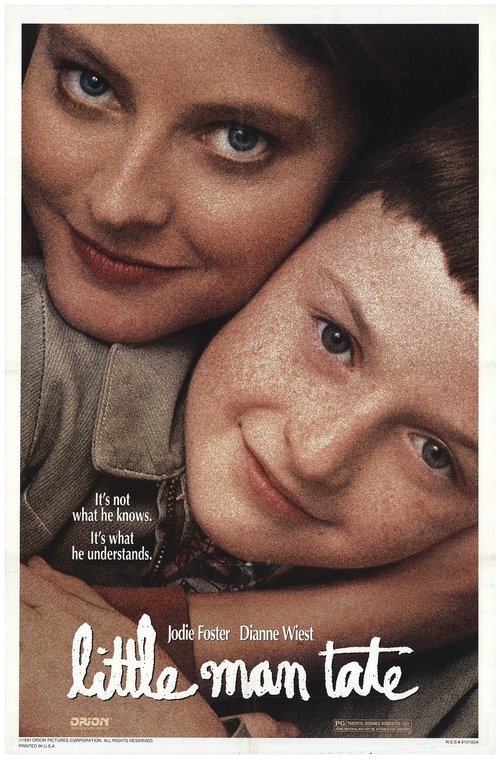
Little Man Tate
Dede is a sole parent trying to bring up her son Fred. When it is discovered that Fred is a genius, she is determined to ensure that Fred has all the opportunities that he needs, and that he is not taken advantage of by people who forget that his extremely powerful intellect is harboured in the body and emotions of a child.
Despite its modest budget of $10.0M, Little Man Tate became a box office success, earning $25.0M worldwide—a 150% return.
2 wins & 1 nomination


Plot Structure
Story beats plotted across runtime


Narrative Arc
Emotional journey through the story's key moments
Story Circle
Blueprint 15-beat structure
Arcplot Score Breakdown
Weighted: Precision (70%) + Arc (15%) + Theme (15%)
Little Man Tate (1991) showcases deliberately positioned dramatic framework, characteristic of Jodie Foster's storytelling approach. This structural analysis examines how the film's 15-point plot structure maps to proven narrative frameworks across 1 hour and 39 minutes. With an Arcplot score of 7.1, the film balances conventional beats with creative variation.
Characters
Cast & narrative archetypes

Fred Tate
Dede Tate
Jane Grierson
Eddie
Main Cast & Characters
Fred Tate
Played by Adam Hann-Byrd
A seven-year-old child prodigy with exceptional intellectual abilities who struggles to balance his genius with the need for a normal childhood.
Dede Tate
Played by Jodie Foster
Fred's working-class single mother who loves her son deeply but feels inadequate to nurture his extraordinary gifts.
Jane Grierson
Played by Dianne Wiest
A brilliant child psychologist and former prodigy who runs a school for gifted children and becomes Fred's mentor.
Eddie
Played by Harry Connick Jr.
Dede's boyfriend, a caring man who provides emotional support and represents a potential father figure for Fred.
Structural Analysis
The Status Quo at 1 minutes (1% through the runtime) establishes Fred Tate sits alone at his birthday party, isolated despite his extraordinary intellect. His mother Dede works as a cocktail waitress, struggling to provide for her genius son while other children ignore him.. Structural examination shows that this early placement immediately immerses viewers in the story world.
The inciting incident occurs at 13 minutes when Dr. Jane Grierson, a psychologist who runs an institute for gifted children, contacts Dede about Fred's exceptional abilities. She wants to enroll Fred in her Grierson Institute summer program for prodigies.. At 13% through the film, this Disruption is delayed, allowing extended setup of the story world. This beat shifts the emotional landscape, launching the protagonist into the central conflict.
The First Threshold at 25 minutes marks the transition into Act II, occurring at 26% of the runtime. This reveals the protagonist's commitment to Dede makes the difficult choice to let Fred attend Jane's summer program at the Grierson Institute. Fred leaves home for the first time to live in an environment designed for gifted children., moving from reaction to action.
At 50 minutes, the Midpoint arrives at 50% of the runtime—precisely centered, creating perfect narrative symmetry. Significantly, this crucial beat Fred achieves academic triumph at a mathematics conference, impressing distinguished scholars. This false victory moment shows Fred succeeding in the intellectual world, but he appears increasingly disconnected from childhood joy and his mother., fundamentally raising what's at risk. The emotional intensity shifts, dividing the narrative into clear before-and-after phases.
The Collapse moment at 75 minutes (76% through) represents the emotional nadir. Here, Fred has an emotional breakdown during a public appearance. The pressure of performing his genius collapses his spirit. Eddie also reaches a crisis point, showing the toll the prodigy life takes. Fred is emotionally lost, caught between two worlds., illustrates the protagonist at their lowest point. This beat's placement in the final quarter sets up the climactic reversal.
The Second Threshold at 80 minutes initiates the final act resolution at 81% of the runtime. Jane acknowledges to Dede that Fred needs his mother's love, not just intellectual stimulation. Both women realize they each offer something essential - Jane the intellectual world, Dede the emotional foundation. Fred needs both., demonstrating the transformation achieved throughout the journey.
Emotional Journey
Little Man Tate's emotional architecture traces a deliberate progression across 15 carefully calibrated beats.
Narrative Framework
This structural analysis employs structural analysis methodology used to understand storytelling architecture. By mapping Little Man Tate against these established plot points, we can identify how Jodie Foster utilizes or subverts traditional narrative conventions. The plot point approach reveals not only adherence to structural principles but also creative choices that distinguish Little Man Tate within the drama genre.
Jodie Foster's Structural Approach
Among the 3 Jodie Foster films analyzed on Arcplot, the average structural score is 7.1, reflecting strong command of classical structure. Little Man Tate takes a more unconventional approach compared to the director's typical style. For comparative analysis, explore the complete Jodie Foster filmography.
Comparative Analysis
Additional drama films include After Thomas, South Pacific and Dirty Dancing: Havana Nights. For more Jodie Foster analyses, see Money Monster, Home for the Holidays.
Plot Points by Act
Act I
SetupStatus Quo
Fred Tate sits alone at his birthday party, isolated despite his extraordinary intellect. His mother Dede works as a cocktail waitress, struggling to provide for her genius son while other children ignore him.
Theme
Dede tells Fred that being smart isn't everything - what matters is being happy and loved. This establishes the central tension between intellectual achievement and emotional fulfillment.
Worldbuilding
Fred's extraordinary abilities are established - he reads adult books, composes music, and solves complex math problems. His isolation from peers and deep bond with working-class single mother Dede is shown. He attends regular school where he doesn't fit in.
Disruption
Dr. Jane Grierson, a psychologist who runs an institute for gifted children, contacts Dede about Fred's exceptional abilities. She wants to enroll Fred in her Grierson Institute summer program for prodigies.
Resistance
Dede debates whether to send Fred away to the institute. She's protective and skeptical of Jane's intellectual approach. Jane visits and tests Fred, revealing the depth of his abilities. Dede wrestles with what's best for her son versus her fear of losing him.
Act II
ConfrontationFirst Threshold
Dede makes the difficult choice to let Fred attend Jane's summer program at the Grierson Institute. Fred leaves home for the first time to live in an environment designed for gifted children.
Mirror World
Fred meets and bonds with Eddie, an older teenage prodigy at the institute. Eddie represents what Fred could become - brilliant but emotionally stunted. Their friendship introduces the subplot exploring what happens to child geniuses.
Premise
Fred thrives intellectually at the institute - attending college lectures, participating in academic competitions, and being celebrated for his gifts. Jane exposes him to high-level mathematics and takes him to academic conferences. Fred enjoys the stimulation but misses his mother.
Midpoint
Fred achieves academic triumph at a mathematics conference, impressing distinguished scholars. This false victory moment shows Fred succeeding in the intellectual world, but he appears increasingly disconnected from childhood joy and his mother.
Opposition
Jane increasingly takes over Fred's life, scheduling him for appearances and academic events. Dede feels pushed out and her visits become tense. Fred shows signs of emotional strain - he's exhausted and withdrawn. Eddie's struggles foreshadow Fred's potential future. The conflict between Jane and Dede escalates.
Collapse
Fred has an emotional breakdown during a public appearance. The pressure of performing his genius collapses his spirit. Eddie also reaches a crisis point, showing the toll the prodigy life takes. Fred is emotionally lost, caught between two worlds.
Crisis
Fred withdraws emotionally, unable to reconcile his intellectual gifts with his need for simple childhood love. Jane realizes her approach has been too focused on intellect. Dede fears she's lost her son to a world she can't access.
Act III
ResolutionSecond Threshold
Jane acknowledges to Dede that Fred needs his mother's love, not just intellectual stimulation. Both women realize they each offer something essential - Jane the intellectual world, Dede the emotional foundation. Fred needs both.
Synthesis
Dede and Jane work together to support Fred in a balanced way. Fred returns home with his mother but maintains connection to his intellectual pursuits. The two women form an unexpected understanding, each respecting what the other provides.
Transformation
Fred is shown balanced and happy - still brilliant but now emotionally grounded. He's with his mother, accepted for all of who he is. Unlike the isolated birthday party opening, Fred is now connected. His genius and his childhood can coexist.