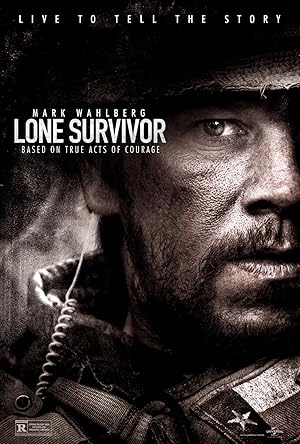
Lone Survivor
Marcus Luttrell, a Navy Seal, and his team set out on a mission to capture or kill notorious Taliban leader Ahmad Shah, in late June 2005. After running into mountain herders and capturing them, they were left with no choice but to follow their rules of engagement or be imprisoned. Now Marcus and his team are left to fight for their lives in one of the most valiant efforts of modern warfare.
Despite a mid-range budget of $40.0M, Lone Survivor became a solid performer, earning $149.3M worldwide—a 273% return.
Nominated for 2 Oscars. 6 wins & 16 nominations


Plot Structure
Story beats plotted across runtime


Narrative Arc
Emotional journey through the story's key moments
Story Circle
Blueprint 15-beat structure
Arcplot Score Breakdown
Weighted: Precision (70%) + Arc (15%) + Theme (15%)
Lone Survivor (2013) exemplifies carefully calibrated narrative architecture, characteristic of Peter Berg's storytelling approach. This structural analysis examines how the film's 15-point plot structure maps to proven narrative frameworks across 2 hours and 1 minutes. With an Arcplot score of 6.7, the film balances conventional beats with creative variation.
Characters
Cast & narrative archetypes

Marcus Luttrell
Michael Murphy
Danny Dietz
Matt Axelson
Erik Kristensen
Mohammad Gulab
Main Cast & Characters
Marcus Luttrell
Played by Mark Wahlberg
Navy SEAL medic and sole survivor of Operation Red Wings who endures extraordinary hardship to survive.
Michael Murphy
Played by Taylor Kitsch
Lieutenant and team leader of SEAL Team 10 who makes the ultimate sacrifice for his men.
Danny Dietz
Played by Emile Hirsch
Communications specialist and skilled SEAL who fights valiantly despite severe injuries.
Matt Axelson
Played by Ben Foster
Sniper and senior team member known for his dry humor and unwavering dedication.
Erik Kristensen
Played by Eric Bana
SEAL Commander who leads the rescue operation and dies in the helicopter crash.
Mohammad Gulab
Played by Ali Suliman
Afghan villager who risks his life and family to protect Marcus according to Pashtunwali code.
Structural Analysis
The Status Quo at 1 minutes (1% through the runtime) establishes Opening montage of SEAL training and brotherhood. Real footage shows the grueling BUD/S selection process, establishing the warrior culture and bonds between teammates. Sets up the elite warrior world before deployment.. The analysis reveals that this early placement immediately immerses viewers in the story world.
The inciting incident occurs at 14 minutes when Operation Red Wings is greenlit. The four-man SEAL team (Marcus, Murphy, Dietz, Axelson) is assigned to conduct reconnaissance on Ahmad Shah in the mountains. The dangerous mission disrupts their relative safety at base.. At 12% through the film, this Disruption aligns precisely with traditional story structure. This beat shifts the emotional landscape, launching the protagonist into the central conflict.
The First Threshold at 29 minutes marks the transition into Act II, occurring at 24% of the runtime. This indicates the protagonist's commitment to The team encounters three Afghan goat herders who stumble upon their position. After intense debate about rules of engagement, Murphy makes the decision to release them rather than kill unarmed civilians, knowing they will likely alert the Taliban. An active choice that seals their fate., moving from reaction to action.
At 58 minutes, the Midpoint arrives at 48% of the runtime—precisely centered, creating perfect narrative symmetry. The analysis reveals that this crucial beat Murphy makes his heroic stand. Unable to get radio signal in cover, he deliberately walks into an open area on the cliff to call for help, knowing he'll be shot. He successfully calls in their position for QRF (Quick Reaction Force) before being mortally wounded. False hope - help is coming, but at devastating cost., fundamentally raising what's at risk. The emotional intensity shifts, dividing the narrative into clear before-and-after phases.
The Collapse moment at 84 minutes (69% through) represents the emotional nadir. Here, Marcus watches helplessly as the rescue helicopter explodes. All three of his teammates are dead. He is alone, broken, bleeding, surrounded by enemies. The whiff of death is literal - 19 American warriors dead. Marcus crawls away barely alive, the mission a complete catastrophe., shows the protagonist at their lowest point. This beat's placement in the final quarter sets up the climactic reversal.
The Second Threshold at 93 minutes initiates the final act resolution at 77% of the runtime. Marcus is discovered by Gulab, an Afghan villager, who invokes Pashtunwali - the ancient code of honor requiring protection of guests. New information: not all Afghans are enemies. Gulab risks his own life and village to protect Marcus, embodying the theme of honor and humanity transcending sides in war., demonstrating the transformation achieved throughout the journey.
Emotional Journey
Lone Survivor's emotional architecture traces a deliberate progression across 15 carefully calibrated beats.
Narrative Framework
This structural analysis employs structural analysis methodology used to understand storytelling architecture. By mapping Lone Survivor against these established plot points, we can identify how Peter Berg utilizes or subverts traditional narrative conventions. The plot point approach reveals not only adherence to structural principles but also creative choices that distinguish Lone Survivor within the action genre.
Peter Berg's Structural Approach
Among the 10 Peter Berg films analyzed on Arcplot, the average structural score is 7.1, reflecting strong command of classical structure. Lone Survivor takes a more unconventional approach compared to the director's typical style. For comparative analysis, explore the complete Peter Berg filmography.
Comparative Analysis
Additional action films include The Bad Guys, Puss in Boots and Venom: The Last Dance. For more Peter Berg analyses, see The Rundown, Friday Night Lights and Hancock.
Plot Points by Act
Act I
SetupStatus Quo
Opening montage of SEAL training and brotherhood. Real footage shows the grueling BUD/S selection process, establishing the warrior culture and bonds between teammates. Sets up the elite warrior world before deployment.
Theme
Commander Kristensen addresses the team about their mission: "We're going to get this guy. Whatever it takes." Theme of brotherhood, sacrifice, and the moral complexity of war is established through team interactions and mission briefing.
Worldbuilding
Life at Bagram Airbase in Afghanistan. Introduction of Marcus Luttrell, Michael Murphy, Danny Dietz, and Matt Axelson. Personal moments: Marcus calls home, Murphy discusses wedding plans, team camaraderie. Mission briefing on Ahmad Shah, Taliban leader. Establishes stakes, relationships, and the rules of engagement.
Disruption
Operation Red Wings is greenlit. The four-man SEAL team (Marcus, Murphy, Dietz, Axelson) is assigned to conduct reconnaissance on Ahmad Shah in the mountains. The dangerous mission disrupts their relative safety at base.
Resistance
Preparation and insertion into hostile territory. Helicopter insertion into the Hindu Kush mountains. Team establishes observation post. Communication problems emerge immediately - radios don't work in the mountains. Growing tension as they navigate treacherous terrain and realize they're more isolated than planned.
Act II
ConfrontationFirst Threshold
The team encounters three Afghan goat herders who stumble upon their position. After intense debate about rules of engagement, Murphy makes the decision to release them rather than kill unarmed civilians, knowing they will likely alert the Taliban. An active choice that seals their fate.
Mirror World
Murphy's phone call home earlier and the team's discussion about their loved ones serves as the emotional B-story. The brotherhood between the four men - their willingness to die for each other - represents the thematic heart: love and sacrifice beyond self-preservation.
Premise
The promise of the premise: intense combat survival. The team attempts to escape, knowing Taliban fighters are coming. They fight a running battle down the mountain, taking heavy fire. Spectacular falls down cliffs, desperate firefights, mounting injuries. The SEALs demonstrate extraordinary courage and skill against overwhelming odds.
Midpoint
Murphy makes his heroic stand. Unable to get radio signal in cover, he deliberately walks into an open area on the cliff to call for help, knowing he'll be shot. He successfully calls in their position for QRF (Quick Reaction Force) before being mortally wounded. False hope - help is coming, but at devastating cost.
Opposition
The situation deteriorates. Murphy is dead. Dietz is killed. Axelson is mortally wounded and eventually killed. Marcus fights alone, severely injured. The rescue helicopter (Chinook with 16 personnel) is shot down by RPG, killing everyone aboard including Commander Kristensen. Taliban closes in on Marcus.
Collapse
Marcus watches helplessly as the rescue helicopter explodes. All three of his teammates are dead. He is alone, broken, bleeding, surrounded by enemies. The whiff of death is literal - 19 American warriors dead. Marcus crawls away barely alive, the mission a complete catastrophe.
Crisis
Marcus's dark night. Severely wounded, he drags himself through the wilderness. Delirious from blood loss and injuries. Flashbacks to his fallen brothers. He falls into a stream, barely conscious. At his absolute lowest point physically and spiritually.
Act III
ResolutionSecond Threshold
Marcus is discovered by Gulab, an Afghan villager, who invokes Pashtunwali - the ancient code of honor requiring protection of guests. New information: not all Afghans are enemies. Gulab risks his own life and village to protect Marcus, embodying the theme of honor and humanity transcending sides in war.
Synthesis
The villagers protect Marcus from Taliban fighters. Gulab sends word to American forces. Intense firefight as Taliban attacks the village. Marcus, wounded but resolute, fights alongside the villagers. American forces finally arrive via helicopter. Marcus is rescued. The finale synthesizes the theme: honor, brotherhood, and sacrifice exist on both sides.
Transformation
Marcus is evacuated, looking back at the mountains where his brothers died. Final image mirrors the opening but shows profound loss. Text reveals Marcus returned home, wrote the book, and remained close to Gulab. Photos of the real fallen SEALs play over credits - transforming from warriors in training to honored dead.