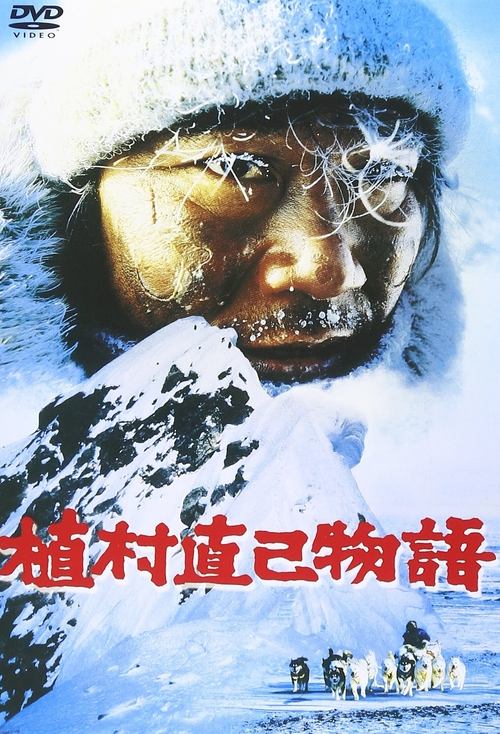
Lost in the Wilderness
The life and travels of adventurer Naomi Uemura, who disappeared in Alaska in 1984. A member of the first Japanese expedition to reach the summit of Mt Everest in 1970, Uemura also accomplished several "firsts". He was the first man to reach the North Pole solo, climb Denali solo, and float down the Amazon river solo. In the film, Uemura returns to Tokyo after a stint in Siorapaluk in Northern Greenland. In Tokyo, he reconnects with an old friend and, over coffee, shares his life story - from his days as a college dropout to his successful expedition to the top of Everest.
The film earned $12.8M at the global box office.
3 wins & 6 nominations
Plot Structure
Story beats plotted across runtime


Narrative Arc
Emotional journey through the story's key moments
Story Circle
Blueprint 15-beat structure
Arcplot Score Breakdown
Weighted: Precision (70%) + Arc (15%) + Theme (15%)
Lost in the Wilderness (1986) showcases strategically placed plot construction, characteristic of Junya Satō's storytelling approach. This structural analysis examines how the film's 10-point plot structure maps to proven narrative frameworks across 2 hours and 20 minutes. With an Arcplot score of 6.8, the film balances conventional beats with creative variation.
Structural Analysis
The Status Quo at 2 minutes (1% through the runtime) establishes The protagonist is shown in their comfortable urban life, disconnected from nature and overly reliant on modern conveniences, establishing the "before" state of someone who has lost touch with basic survival instincts.. The analysis reveals that this early placement immediately immerses viewers in the story world.
The inciting incident occurs at 17 minutes when The inciting incident occurs: a plane crash, getting separated from the group, or a sudden storm leaves the protagonist stranded alone in the wilderness, forcing them into a survival situation they are woefully unprepared to handle.. At 12% through the film, this Disruption aligns precisely with traditional story structure. This beat shifts the emotional landscape, launching the protagonist into the central conflict.
The Collapse moment at 105 minutes (75% through) represents the emotional nadir. Here, The darkest moment: a severe injury, life-threatening situation, or complete loss of direction brings the protagonist to the brink of death. They face their mortality and the real possibility that they won't make it out alive. A symbolic or literal "death" occurs., demonstrates the protagonist at their lowest point. This beat's placement in the final quarter sets up the climactic reversal.
The Synthesis at 112 minutes initiates the final act resolution at 80% of the runtime. The finale: the protagonist executes their survival plan with newfound skill and determination, overcoming the final obstacles between them and rescue or civilization. They demonstrate complete transformation, using everything they've learned to save themselves., demonstrating the transformation achieved throughout the journey.
Emotional Journey
Lost in the Wilderness's emotional architecture traces a deliberate progression across 10 carefully calibrated beats.
Narrative Framework
This structural analysis employs proven narrative structure principles that track dramatic progression. By mapping Lost in the Wilderness against these established plot points, we can identify how Junya Satō utilizes or subverts traditional narrative conventions. The plot point approach reveals not only adherence to structural principles but also creative choices that distinguish Lost in the Wilderness within the adventure genre.
Junya Satō's Structural Approach
Among the 2 Junya Satō films analyzed on Arcplot, the average structural score is 7.0, reflecting strong command of classical structure. Lost in the Wilderness takes a more unconventional approach compared to the director's typical style. For comparative analysis, explore the complete Junya Satō filmography.
Comparative Analysis
Additional adventure films include Harry Potter and the Philosopher's Stone, The Bad Guys and Zoom. For more Junya Satō analyses, see The Silk Road.
Plot Points by Act
Act I
SetupStatus Quo
The protagonist is shown in their comfortable urban life, disconnected from nature and overly reliant on modern conveniences, establishing the "before" state of someone who has lost touch with basic survival instincts.
Theme
A mentor figure or family member states the theme: "Sometimes you have to lose everything to find out what you're really made of," foreshadowing the protagonist's journey of self-discovery through adversity.
Worldbuilding
Introduction to the protagonist's ordinary world: their relationships, daily routine, and character flaws. We see preparations for what should be a routine wilderness trip, establishing the stakes and showing the protagonist's lack of preparation or respect for nature.
Disruption
The inciting incident occurs: a plane crash, getting separated from the group, or a sudden storm leaves the protagonist stranded alone in the wilderness, forcing them into a survival situation they are woefully unprepared to handle.
Resistance
The protagonist resists accepting their dire situation, debating whether to stay put or move, attempting to use inadequate urban skills in the wild. They struggle with fear, denial, and the realization that rescue may not come quickly.
Act II
ConfrontationPremise
The "promise of the premise"—wilderness survival in action. The protagonist learns to find food, build shelter, navigate terrain, and overcome natural obstacles. Small victories build confidence as they discover inner strength and resourcefulness.
Opposition
Nature fights back harder: weather worsens, injuries accumulate, supplies dwindle, or the protagonist realizes their "path to safety" was wrong. Physical and psychological challenges intensify as exhaustion and despair set in. The protagonist's flaws catch up with them.
Collapse
The darkest moment: a severe injury, life-threatening situation, or complete loss of direction brings the protagonist to the brink of death. They face their mortality and the real possibility that they won't make it out alive. A symbolic or literal "death" occurs.
Crisis
The protagonist processes their lowest point, confronting fear and considering giving up. In this dark night of the soul, they reflect on what truly matters, who they've become, and whether they have the will to continue fighting for survival.
Act III
ResolutionSynthesis
The finale: the protagonist executes their survival plan with newfound skill and determination, overcoming the final obstacles between them and rescue or civilization. They demonstrate complete transformation, using everything they've learned to save themselves.