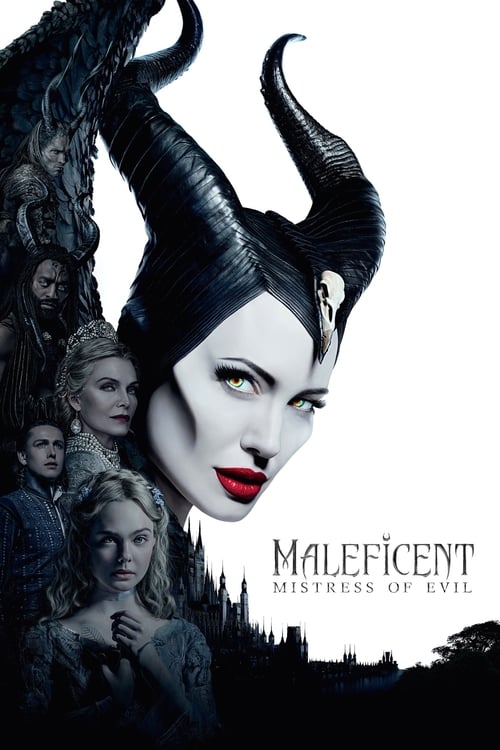
Maleficent: Mistress of Evil
Maleficent and her goddaughter Aurora begin to question the complex family ties that bind them as they are pulled in different directions by impending nuptials, unexpected allies, and dark new forces at play.
Despite a blockbuster budget of $185.0M, Maleficent: Mistress of Evil became a financial success, earning $491.7M worldwide—a 166% return. This commercial performance validated the ambitious narrative scope, demonstrating that audiences embrace distinctive approach even at blockbuster scale.
Nominated for 1 Oscar. 1 win & 11 nominations


Plot Structure
Story beats plotted across runtime


Narrative Arc
Emotional journey through the story's key moments
Story Circle
Blueprint 15-beat structure
Characters
Cast & narrative archetypes

Maleficent
Aurora
Queen Ingrith
Prince Phillip
Diaval
Conall
Borra
Main Cast & Characters
Maleficent
Played by Angelina Jolie
A powerful dark fairy who has raised Aurora and struggles to accept her goddaughter's upcoming marriage to Prince Phillip.
Aurora
Played by Elle Fanning
Princess of the Moors, now Queen-to-be, who seeks to unite the human and fairy kingdoms through her marriage to Prince Phillip.
Queen Ingrith
Played by Michelle Pfeiffer
Prince Phillip's ambitious and manipulative mother who secretly plots to destroy all fairies and expand human dominion.
Prince Phillip
Played by Harris Dickinson
The noble prince of Ulstead who genuinely loves Aurora and finds himself caught between his mother and his bride-to-be.
Diaval
Played by Sam Riley
Maleficent's loyal shapeshifting servant and confidant who provides both comic relief and steadfast support.
Conall
Played by Chiwetel Ejiofor
A wise and peaceful Dark Fey leader who rescues Maleficent and reveals her true heritage as one of the last of their kind.
Borra
Played by Ed Skrein
A militant Dark Fey warrior who seeks revenge against humans and wants Maleficent to lead them in war.
Structural Analysis
The Status Quo at 1 minutes (1% through the runtime) establishes Aurora narrates over idyllic scenes of the Moors: five years after Maleficent's curse was broken, the magical realm thrives in peace. Aurora rules as queen, beloved by her fairy godmothers and magical creatures, while Maleficent serves as protector.. The analysis reveals that this early placement immediately immerses viewers in the story world.
The inciting incident occurs at 12 minutes when Aurora announces her engagement to Phillip at dinner with the pixies. Maleficent reacts badly, feeling betrayed and abandoned. This engagement forces Maleficent into contact with humans she despises and threatens the bond between mother and daughter.. At 10% through the film, this Disruption aligns precisely with traditional story structure. This beat shifts the emotional landscape, launching the protagonist into the central conflict.
The First Threshold at 29 minutes marks the transition into Act II, occurring at 24% of the runtime. This indicates the protagonist's commitment to At the disastrous dinner, Queen Ingrith provokes Maleficent with iron and insults. When King John mysteriously falls into a death-like sleep, Ingrith blames Maleficent. Maleficent flees the castle under attack, severely wounded by an iron bullet, and is presumed dead by Aurora., moving from reaction to action.
At 60 minutes, the Midpoint arrives at 50% of the runtime—precisely centered, creating perfect narrative symmetry. Of particular interest, this crucial beat Borra, the Dark Fey warrior, convinces many of his kind to prepare for war against humans. Maleficent refuses to join them, still hoping for peace. Meanwhile, Aurora discovers Ingrith's deception—the queen cursed her own husband and plans to massacre all magical creatures at the wedding., fundamentally raising what's at risk. The emotional intensity shifts, dividing the narrative into clear before-and-after phases.
The Collapse moment at 89 minutes (75% through) represents the emotional nadir. Here, Conall sacrifices himself to save Maleficent from Ingrith's iron bullet, dying in her arms. His death—representing the loss of the peaceful path—triggers Maleficent's transformation into her most powerful, destructive Phoenix form, threatening to destroy everything., illustrates the protagonist at their lowest point. This beat's placement in the final quarter sets up the climactic reversal.
The Second Threshold at 94 minutes initiates the final act resolution at 79% of the runtime. Aurora steps between Maleficent and Ingrith, declaring "You are my mother" and choosing Maleficent over her own humanity. Aurora's unconditional love—and her willing sacrifice—breaks through Maleficent's rage, transforming her back and giving her clarity., demonstrating the transformation achieved throughout the journey.
Emotional Journey
Maleficent: Mistress of Evil's emotional architecture traces a deliberate progression across 15 carefully calibrated beats.
Narrative Framework
This structural analysis employs proven narrative structure principles that track dramatic progression. By mapping Maleficent: Mistress of Evil against these established plot points, we can identify how Joachim Rønning utilizes or subverts traditional narrative conventions. The plot point approach reveals not only adherence to structural principles but also creative choices that distinguish Maleficent: Mistress of Evil within the adventure genre.
Joachim Rønning's Structural Approach
Among the 4 Joachim Rønning films analyzed on Arcplot, the average structural score is 7.3, reflecting strong command of classical structure. Maleficent: Mistress of Evil exemplifies the director's characteristic narrative technique. For comparative analysis, explore the complete Joachim Rønning filmography.
Comparative Analysis
Additional adventure films include The Black Stallion, The Bad Guys and Puss in Boots. For more Joachim Rønning analyses, see Young Woman and the Sea, TRON: Ares and Pirates of the Caribbean: Dead Men Tell No Tales.
Plot Points by Act
Act I
SetupStatus Quo
Aurora narrates over idyllic scenes of the Moors: five years after Maleficent's curse was broken, the magical realm thrives in peace. Aurora rules as queen, beloved by her fairy godmothers and magical creatures, while Maleficent serves as protector.
Theme
Diaval tells Maleficent, "You're her mother—whether you like it or not." The theme of chosen family versus blood, and bridging divides between different kinds of people, is established early as Maleficent struggles with her maternal role.
Worldbuilding
We see Aurora's life as queen of the Moors, her relationship with Maleficent, and the parallel introduction of Queen Ingrith and King John of Ulstead. Prince Phillip proposes to Aurora, setting up the conflict between the magical Moors and the human kingdom.
Disruption
Aurora announces her engagement to Phillip at dinner with the pixies. Maleficent reacts badly, feeling betrayed and abandoned. This engagement forces Maleficent into contact with humans she despises and threatens the bond between mother and daughter.
Resistance
Aurora convinces Maleficent to attend an engagement dinner at Ulstead Castle. Maleficent resists but ultimately agrees for Aurora's sake. They prepare for the dinner while Queen Ingrith secretly prepares her trap, revealing her hatred for all fairy creatures.
Act II
ConfrontationFirst Threshold
At the disastrous dinner, Queen Ingrith provokes Maleficent with iron and insults. When King John mysteriously falls into a death-like sleep, Ingrith blames Maleficent. Maleficent flees the castle under attack, severely wounded by an iron bullet, and is presumed dead by Aurora.
Mirror World
Maleficent awakens in an underground sanctuary and meets Conall, a gentle Dark Fey leader who represents what she could become—someone who seeks peace and unity. He shows her an entire hidden society of her own kind, giving her the belonging she never knew existed.
Premise
Two parallel stories: Maleficent discovers the Dark Fey and learns their history of persecution by humans, while Aurora is manipulated by Queen Ingrith into believing Maleficent cursed the king. Ingrith prepares for war, building a weapon to exterminate all fairy creatures during the wedding.
Midpoint
Borra, the Dark Fey warrior, convinces many of his kind to prepare for war against humans. Maleficent refuses to join them, still hoping for peace. Meanwhile, Aurora discovers Ingrith's deception—the queen cursed her own husband and plans to massacre all magical creatures at the wedding.
Opposition
The wedding day arrives as Ingrith's trap is set. Aurora is imprisoned by Ingrith after confronting her. The pixies are captured in the chapel. Ingrith triggers her weapon—red dust that kills fairies—as the Dark Fey launch their attack. Battle erupts with heavy casualties on both sides.
Collapse
Conall sacrifices himself to save Maleficent from Ingrith's iron bullet, dying in her arms. His death—representing the loss of the peaceful path—triggers Maleficent's transformation into her most powerful, destructive Phoenix form, threatening to destroy everything.
Crisis
Maleficent, in Dark Phoenix form, battles Ingrith in the castle. She corners the queen, fully capable of killing her. The violence escalates as Maleficent's rage threatens to prove Ingrith right—that fairies and humans cannot coexist.
Act III
ResolutionSecond Threshold
Aurora steps between Maleficent and Ingrith, declaring "You are my mother" and choosing Maleficent over her own humanity. Aurora's unconditional love—and her willing sacrifice—breaks through Maleficent's rage, transforming her back and giving her clarity.
Synthesis
Maleficent spares Ingrith, who is turned into a goat by the pixies. Aurora uses Maleficent's transformed wing-dust to awaken King John and cure all those affected by the red death. The kingdoms unite, with Aurora serving as bridge between human and fairy worlds. Peace is restored.
Transformation
Aurora and Phillip marry in a celebration joining both kingdoms. Maleficent watches from above with genuine warmth, having accepted her role as mother. She smiles as she stands with Diaval and the Dark Fey—no longer alone, no longer filled with hate, part of a true family.