
Maniac
Frank Zito misses his mother, who was killed in a car accident years before. She was abusive to him, and made money selling her body, but Frank still misses her. He tries to keep her from leaving him, and reform her evil ways, by killing young women and putting their scalps on mannequins which he displays around his apartment. Photographer Anna D'Antoni takes a picture of him in the park, and he pursues and befriends her. Is she the one he has been looking for or just another mother wannabe?
Despite its minimal budget of $350K, Maniac became a runaway success, earning $10.0M worldwide—a remarkable 2757% return. The film's bold vision found its audience, confirming that strong storytelling can transcend budget limitations.


Plot Structure
Story beats plotted across runtime


Narrative Arc
Emotional journey through the story's key moments
Story Circle
Blueprint 15-beat structure
Arcplot Score Breakdown
Weighted: Precision (70%) + Arc (15%) + Theme (15%)
Maniac (1980) exemplifies precise plot construction, characteristic of William Lustig's storytelling approach. This structural analysis examines how the film's 15-point plot structure maps to proven narrative frameworks across 1 hour and 28 minutes. With an Arcplot score of 6.7, the film balances conventional beats with creative variation.
Characters
Cast & narrative archetypes
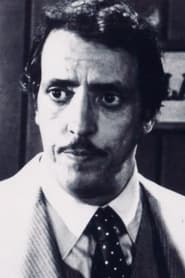
Frank Zito

Anna D'Antoni
Main Cast & Characters
Frank Zito
Played by Joe Spinell
A deeply disturbed serial killer who scalps his victims and attaches their hair to mannequins while experiencing dissociative episodes and hallucinations of his abusive mother.
Anna D'Antoni
Played by Caroline Munro
A compassionate photographer who befriends Frank, unaware of his violent nature, representing a potential path to redemption and normalcy.
Structural Analysis
The Status Quo at 1 minutes (1% through the runtime) establishes Frank Zito sits alone in his squalid New York apartment surrounded by mannequins adorned with scalps of his victims, talking to himself and revealing his isolated, psychotic existence.. Structural examination shows that this early placement immediately immerses viewers in the story world.
The inciting incident occurs at 10 minutes when Frank encounters Anna D'Antoni, a beautiful photographer, at an art show, sparking something unfamiliar in him—a desire for genuine human connection rather than murderous possession.. At 12% through the film, this Disruption aligns precisely with traditional story structure. This beat shifts the emotional landscape, launching the protagonist into the central conflict.
The First Threshold at 22 minutes marks the transition into Act II, occurring at 25% of the runtime. This demonstrates the protagonist's commitment to Frank actively chooses to pursue a relationship with Anna, taking her on a date. This is his deliberate attempt to enter a "normal" world and escape his murderous compulsions., moving from reaction to action.
At 44 minutes, the Midpoint arrives at 50% of the runtime—precisely centered, creating perfect narrative symmetry. Structural examination shows that this crucial beat Frank's hallucinations worsen dramatically. After killing a nurse, his visions of his mother become more violent and accusatory, making clear that his relationship with Anna cannot save him from his psychosis., fundamentally raising what's at risk. The emotional intensity shifts, dividing the narrative into clear before-and-after phases.
The Collapse moment at 66 minutes (75% through) represents the emotional nadir. Here, Frank realizes he cannot escape his compulsion and that his relationship with Anna is doomed. The "whiff of death" is the death of his hope for redemption and his last connection to humanity., illustrates the protagonist at their lowest point. This beat's placement in the final quarter sets up the climactic reversal.
The Second Threshold at 70 minutes initiates the final act resolution at 80% of the runtime. Frank accepts that he is irredeemable and that his mother's abuse has permanently destroyed him. He surrenders to his madness completely, no longer fighting his murderous nature., demonstrating the transformation achieved throughout the journey.
Emotional Journey
Maniac's emotional architecture traces a deliberate progression across 15 carefully calibrated beats.
Narrative Framework
This structural analysis employs systematic plot point analysis that identifies crucial turning points. By mapping Maniac against these established plot points, we can identify how William Lustig utilizes or subverts traditional narrative conventions. The plot point approach reveals not only adherence to structural principles but also creative choices that distinguish Maniac within the crime genre.
William Lustig's Structural Approach
Among the 3 William Lustig films analyzed on Arcplot, the average structural score is 6.8, demonstrating varied approaches to story architecture. Maniac takes a more unconventional approach compared to the director's typical style. For comparative analysis, explore the complete William Lustig filmography.
Comparative Analysis
Additional crime films include The Bad Guys, Rustom and The Whole Ten Yards. For more William Lustig analyses, see Vigilante, Relentless.
Plot Points by Act
Act I
SetupStatus Quo
Frank Zito sits alone in his squalid New York apartment surrounded by mannequins adorned with scalps of his victims, talking to himself and revealing his isolated, psychotic existence.
Theme
In fragmented dialogue with the mannequins, Frank mutters about his mother and being "a good boy," establishing the theme of inescapable childhood trauma and maternal damage.
Worldbuilding
Frank's nocturnal routine is established: he hunts women through New York, murders them, scalps them, and adds their hair to his mannequin collection, driven by hallucinations of his abusive mother.
Disruption
Frank encounters Anna D'Antoni, a beautiful photographer, at an art show, sparking something unfamiliar in him—a desire for genuine human connection rather than murderous possession.
Resistance
Frank debates internally between his compulsion to kill and his attraction to Anna. He continues killing while simultaneously attempting to present himself as normal, calling Anna and arranging to meet her.
Act II
ConfrontationFirst Threshold
Frank actively chooses to pursue a relationship with Anna, taking her on a date. This is his deliberate attempt to enter a "normal" world and escape his murderous compulsions.
Mirror World
Anna represents the possibility of redemption and normalcy. She shows Frank kindness and sees potential good in him, embodying the life he might have had without his trauma.
Premise
Frank attempts to maintain a double life: dating Anna and presenting a facade of normalcy while continuing to murder women. The tension between these two worlds escalates as his psychosis intensifies.
Midpoint
Frank's hallucinations worsen dramatically. After killing a nurse, his visions of his mother become more violent and accusatory, making clear that his relationship with Anna cannot save him from his psychosis.
Opposition
Frank's mental state deteriorates rapidly. His murders become more frenzied, his hallucinations more intense, and his ability to maintain the facade with Anna crumbles as the two sides of his life collide.
Collapse
Frank realizes he cannot escape his compulsion and that his relationship with Anna is doomed. The "whiff of death" is the death of his hope for redemption and his last connection to humanity.
Crisis
Frank descends into complete madness, fully consumed by his mother hallucinations. He can no longer distinguish reality from psychosis, wandering his apartment in total psychological collapse.
Act III
ResolutionSecond Threshold
Frank accepts that he is irredeemable and that his mother's abuse has permanently destroyed him. He surrenders to his madness completely, no longer fighting his murderous nature.
Synthesis
In his final hallucinatory breakdown, Frank is attacked by his mannequin victims who come to life, tearing him apart. This represents his complete psychological disintegration and self-destruction.
Transformation
Frank lies dead or catatonic on his bed, having been destroyed by his own madness. The transformation is negative: he has not escaped his trauma but been consumed by it entirely.