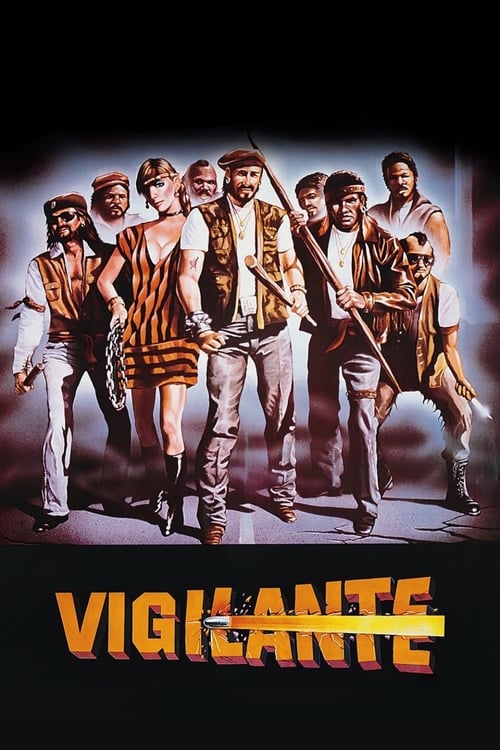
Vigilante
New York City factory worker Eddie Marino is a solid citizen and regular guy, until the day a sadistic street gang brutally assaults his wife and murders his child. When a corrupt judge sets the thugs free, he goes berserk and vows revenge.
The film earned $5.1M at the global box office.


Plot Structure
Story beats plotted across runtime


Narrative Arc
Emotional journey through the story's key moments
Story Circle
Blueprint 15-beat structure
Arcplot Score Breakdown
Weighted: Precision (70%) + Arc (15%) + Theme (15%)
Vigilante (1983) exhibits deliberately positioned narrative design, characteristic of William Lustig's storytelling approach. This structural analysis examines how the film's 15-point plot structure maps to proven narrative frameworks across 1 hour and 30 minutes. With an Arcplot score of 6.9, the film balances conventional beats with creative variation.
Structural Analysis
The Status Quo at 1 minutes (1% through the runtime) establishes Eddie Marino is shown as a hardworking factory employee and family man, living a modest but stable life in a crime-ridden New York neighborhood with his wife Vickie and young son Scott.. Of particular interest, this early placement immediately immerses viewers in the story world.
The inciting incident occurs at 11 minutes when Rico's gang invades Eddie's home while he is at work, brutally attacking his wife Vickie with a machete and shooting his young son Scott, shattering Eddie's belief that he could keep his family safe by staying out of trouble.. At 12% through the film, this Disruption aligns precisely with traditional story structure. This beat shifts the emotional landscape, launching the protagonist into the central conflict.
The First Threshold at 23 minutes marks the transition into Act II, occurring at 25% of the runtime. This demonstrates the protagonist's commitment to After Eddie attacks the judge in court for letting Rico walk free, he is sentenced to 30 days in jail for contempt. His faith in the system is completely destroyed, and he realizes that legal channels will never bring him justice., moving from reaction to action.
At 45 minutes, the Midpoint arrives at 50% of the runtime—precisely centered, creating perfect narrative symmetry. Significantly, this crucial beat Eddie fully commits to joining Nick's vigilante group after witnessing another innocent victim of gang violence. He crosses the moral line from passive victim to active participant in street justice, embracing violence as his only recourse., fundamentally raising what's at risk. The emotional intensity shifts, dividing the narrative into clear before-and-after phases.
The Collapse moment at 68 minutes (75% through) represents the emotional nadir. Here, Members of Nick's vigilante group are killed in an ambush by Rico's gang, and Eddie learns that his wife Vickie has left him, unable to cope with what he has become. Eddie faces the full cost of his path of vengeance—isolation and death., reveals the protagonist at their lowest point. This beat's placement in the final quarter sets up the climactic reversal.
The Second Threshold at 72 minutes initiates the final act resolution at 80% of the runtime. Eddie resolves to finish what he started, tracking Rico to his hideout. Having lost everything else, he commits fully to executing his personal justice, no longer conflicted about the moral implications of vigilantism., demonstrating the transformation achieved throughout the journey.
Emotional Journey
Vigilante's emotional architecture traces a deliberate progression across 15 carefully calibrated beats.
Narrative Framework
This structural analysis employs structural analysis methodology used to understand storytelling architecture. By mapping Vigilante against these established plot points, we can identify how William Lustig utilizes or subverts traditional narrative conventions. The plot point approach reveals not only adherence to structural principles but also creative choices that distinguish Vigilante within the crime genre.
William Lustig's Structural Approach
Among the 3 William Lustig films analyzed on Arcplot, the average structural score is 6.8, demonstrating varied approaches to story architecture. Vigilante represents one of the director's most structurally precise works. For comparative analysis, explore the complete William Lustig filmography.
Comparative Analysis
Additional crime films include The Bad Guys, Rustom and The Whole Ten Yards. For more William Lustig analyses, see Maniac, Relentless.
Plot Points by Act
Act I
SetupStatus Quo
Eddie Marino is shown as a hardworking factory employee and family man, living a modest but stable life in a crime-ridden New York neighborhood with his wife Vickie and young son Scott.
Theme
Nick delivers an impassioned speech to factory workers about how the justice system has failed ordinary citizens, declaring that they must take the law into their own hands because "the system doesn't work anymore."
Worldbuilding
The dangerous urban landscape of 1980s New York is established through scenes of gang activity, drug dealing, and civilian fear. Eddie's domestic life is contrasted with Nick's vigilante activities and the pervasive sense of lawlessness in the streets.
Disruption
Rico's gang invades Eddie's home while he is at work, brutally attacking his wife Vickie with a machete and shooting his young son Scott, shattering Eddie's belief that he could keep his family safe by staying out of trouble.
Resistance
Eddie navigates the aftermath of the attack, trusting the legal system to deliver justice. He attends the trial of Rico, the gang leader responsible for his son's death, only to watch in disbelief as a corrupt judge accepts a plea deal and releases Rico with a suspended sentence.
Act II
ConfrontationFirst Threshold
After Eddie attacks the judge in court for letting Rico walk free, he is sentenced to 30 days in jail for contempt. His faith in the system is completely destroyed, and he realizes that legal channels will never bring him justice.
Mirror World
In prison, Eddie encounters the brutal reality of incarceration, facing violence from other inmates. This experience transforms him from a law-abiding citizen into someone hardened enough to consider taking justice into his own hands.
Premise
Eddie serves his jail time while Nick and his vigilante crew continue their street justice campaign. Upon release, Eddie finds his wife hospitalized and traumatized, and he begins gravitating toward Nick's vigilante group, observing their methods and wrestling with his moral boundaries.
Midpoint
Eddie fully commits to joining Nick's vigilante group after witnessing another innocent victim of gang violence. He crosses the moral line from passive victim to active participant in street justice, embracing violence as his only recourse.
Opposition
Eddie and the vigilantes wage war against the criminal element while Rico's gang retaliates. The violence escalates on both sides, with Eddie becoming increasingly consumed by his quest for revenge. His estranged wife Vickie struggles to recover while Eddie descends deeper into the cycle of vengeance.
Collapse
Members of Nick's vigilante group are killed in an ambush by Rico's gang, and Eddie learns that his wife Vickie has left him, unable to cope with what he has become. Eddie faces the full cost of his path of vengeance—isolation and death.
Crisis
Eddie processes the losses and confronts the reality that his vigilante actions have not brought peace or restored his family. He must decide whether to abandon his quest or see it through to its violent conclusion against Rico.
Act III
ResolutionSecond Threshold
Eddie resolves to finish what he started, tracking Rico to his hideout. Having lost everything else, he commits fully to executing his personal justice, no longer conflicted about the moral implications of vigilantism.
Synthesis
Eddie hunts down Rico and his remaining gang members in a violent final confrontation. Using the skills and ruthlessness he has developed, Eddie systematically eliminates those responsible for destroying his family, culminating in a face-to-face showdown with Rico himself.
Transformation
Eddie kills Rico, completing his transformation from ordinary family man to hardened vigilante. The final image shows Eddie walking away, victorious but forever changed—no longer the innocent man he was, with no family to return to and his humanity compromised by the violence he has embraced.