Metro
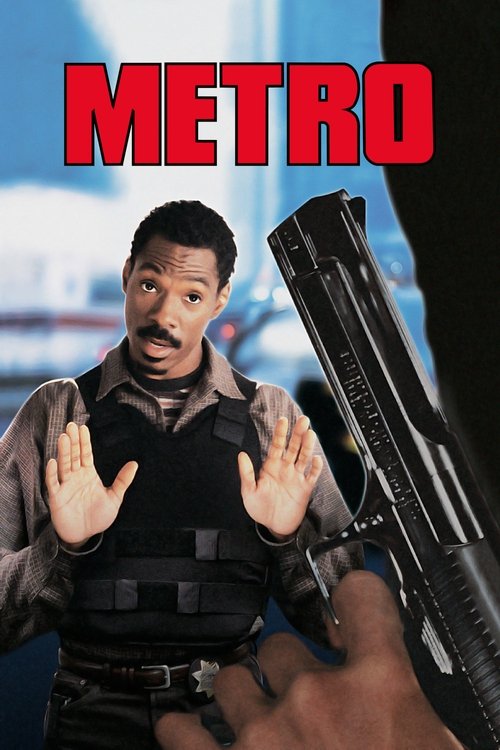
Roper, a hostage negotiator catches a murderous bank robber after a blown heist. The bank robber escapes and immediately goes after the man who put him behind bars.
The film struggled financially against its respectable budget of $55.0M, earning $32.0M globally (-42% loss). While initial box office returns were modest, the film has gained appreciation for its distinctive approach within the action genre.


Plot Structure
Story beats plotted across runtime


Narrative Arc
Emotional journey through the story's key moments
Story Circle
Blueprint 15-beat structure
Arcplot Score Breakdown
Weighted: Precision (70%) + Arc (15%) + Theme (15%)
Metro (1997) exhibits strategically placed plot construction, characteristic of Thomas Carter's storytelling approach. This structural analysis examines how the film's 15-point plot structure maps to proven narrative frameworks across 1 hour and 57 minutes. With an Arcplot score of 6.9, the film balances conventional beats with creative variation.
Characters
Cast & narrative archetypes

Scott Roper
Michael Korda
Kevin McCall
Ronnie Tate
Captain Frank Solis
Main Cast & Characters
Scott Roper
Played by Eddie Murphy
A charismatic San Francisco hostage negotiator who relies on street smarts and improvisation to talk down criminals.
Michael Korda
Played by Michael Wincott
A brilliant, psychopathic jewel thief obsessed with Roper after a negotiation gone wrong.
Kevin McCall
Played by Michael Rapaport
Roper's by-the-book partner and best friend, a SWAT sharpshooter who provides tactical support.
Ronnie Tate
Played by Carmen Ejogo
Roper's romantic interest and fellow negotiator who challenges his reckless methods.
Captain Frank Solis
Played by Denis Arndt
Roper's tough but supportive commanding officer who tries to rein in his unorthodox tactics.
Structural Analysis
The Status Quo at 1 minutes (1% through the runtime) establishes Scott Roper successfully negotiates a hostage situation at a bank, showcasing his smooth-talking skills and confidence as San Francisco's top hostage negotiator.. Significantly, this early placement immediately immerses viewers in the story world.
The inciting incident occurs at 15 minutes when Psychotic jewel thief Michael Korda murders Roper's best friend and partner Sam Baffert during a botched jewelry store robbery, turning what should have been a routine call into personal tragedy.. At 13% through the film, this Disruption is delayed, allowing extended setup of the story world. This beat shifts the emotional landscape, launching the protagonist into the central conflict.
The First Threshold at 30 minutes marks the transition into Act II, occurring at 25% of the runtime. This shows the protagonist's commitment to Roper makes the active choice to hunt down Korda and accepts McCall as his partner, committing to the investigation and entering the world of tracking a cunning, dangerous killer., moving from reaction to action.
At 59 minutes, the Midpoint arrives at 50% of the runtime—precisely centered, creating perfect narrative symmetry. Of particular interest, this crucial beat Korda turns the tables by kidnapping Roper's girlfriend Ronnie, making the hunt deeply personal. The stakes raise dramatically as Korda demonstrates he's always one step ahead, transforming from hunted to hunter., fundamentally raising what's at risk. The emotional intensity shifts, dividing the narrative into clear before-and-after phases.
The Collapse moment at 88 minutes (75% through) represents the emotional nadir. Here, Roper's plan to catch Korda fails catastrophically. McCall is seriously injured protecting Roper, and Ronnie remains in mortal danger. Roper hits rock bottom, facing the consequences of his lone wolf approach., illustrates the protagonist at their lowest point. This beat's placement in the final quarter sets up the climactic reversal.
The Second Threshold at 94 minutes initiates the final act resolution at 80% of the runtime. Roper gets the crucial lead on Korda's location and synthesizes his negotiation skills with the teamwork lessons McCall taught him. He chooses to work with the system rather than against it for the final confrontation., demonstrating the transformation achieved throughout the journey.
Emotional Journey
Metro's emotional architecture traces a deliberate progression across 15 carefully calibrated beats.
Narrative Framework
This structural analysis employs systematic plot point analysis that identifies crucial turning points. By mapping Metro against these established plot points, we can identify how Thomas Carter utilizes or subverts traditional narrative conventions. The plot point approach reveals not only adherence to structural principles but also creative choices that distinguish Metro within the action genre.
Thomas Carter's Structural Approach
Among the 6 Thomas Carter films analyzed on Arcplot, the average structural score is 7.2, reflecting strong command of classical structure. Metro takes a more unconventional approach compared to the director's typical style. For comparative analysis, explore the complete Thomas Carter filmography.
Comparative Analysis
Additional action films include The Bad Guys, Puss in Boots and Venom: The Last Dance. For more Thomas Carter analyses, see When the Game Stands Tall, Coach Carter and Swing Kids.
Plot Points by Act
Act I
SetupStatus Quo
Scott Roper successfully negotiates a hostage situation at a bank, showcasing his smooth-talking skills and confidence as San Francisco's top hostage negotiator.
Theme
Roper's captain warns him about the dangers of treating police work like a game, stating that one day his charm won't be enough - foreshadowing the need for partnership and protocol.
Worldbuilding
Introduction to Roper's world: his successful career, friendship with partner Sam Baffert, relationship with girlfriend Ronnie, and his maverick approach to negotiation that bends the rules but gets results.
Disruption
Psychotic jewel thief Michael Korda murders Roper's best friend and partner Sam Baffert during a botched jewelry store robbery, turning what should have been a routine call into personal tragedy.
Resistance
Roper struggles with grief and guilt over Sam's death. He resists taking on a new partner, debates whether to continue, and is forced to accept rookie Kevin McCall despite his reluctance to work with anyone again.
Act II
ConfrontationFirst Threshold
Roper makes the active choice to hunt down Korda and accepts McCall as his partner, committing to the investigation and entering the world of tracking a cunning, dangerous killer.
Mirror World
Roper's relationship with rookie partner Kevin McCall deepens as they begin working together. McCall represents doing things by the book, contrasting with Roper's instinctive style - the partnership becomes the thematic heart.
Premise
The cat-and-mouse game with Korda unfolds. Roper and McCall pursue leads, have action sequences, and engage in the thriller elements the audience came for - chases, shootouts, and tense confrontations with the clever antagonist.
Midpoint
Korda turns the tables by kidnapping Roper's girlfriend Ronnie, making the hunt deeply personal. The stakes raise dramatically as Korda demonstrates he's always one step ahead, transforming from hunted to hunter.
Opposition
Pressure intensifies as Korda taunts Roper while holding Ronnie hostage. Roper's reckless methods endanger others, his relationship with McCall strains, and the department loses faith in his approach. Everything gets harder.
Collapse
Roper's plan to catch Korda fails catastrophically. McCall is seriously injured protecting Roper, and Ronnie remains in mortal danger. Roper hits rock bottom, facing the consequences of his lone wolf approach.
Crisis
Roper sits with his wounded partner in the hospital, confronting his failures. He realizes his maverick style has cost him everyone he cares about and must find a new way forward that honors partnership and protocol.
Act III
ResolutionSecond Threshold
Roper gets the crucial lead on Korda's location and synthesizes his negotiation skills with the teamwork lessons McCall taught him. He chooses to work with the system rather than against it for the final confrontation.
Synthesis
The finale unfolds with Roper coordinating with his team to rescue Ronnie and capture Korda. The climactic confrontation on a cable car combines action with Roper using both his charm and proper procedure to prevail.
Transformation
Roper reunites with Ronnie and visits the recovering McCall, acknowledging him as a true partner. The final image shows Roper transformed from a lone wolf into someone who values teamwork and connection.