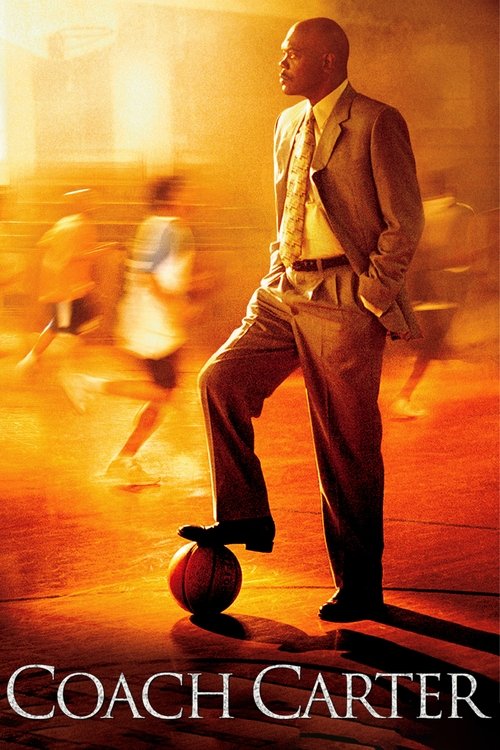
Coach Carter
Based on a true story, in which Richmond High School head basketball coach Ken Carter made headlines in 1999 for benching his undefeated team due to poor academic results.
Despite a mid-range budget of $30.0M, Coach Carter became a financial success, earning $76.7M worldwide—a 156% return.
3 wins & 15 nominations


Plot Structure
Story beats plotted across runtime


Narrative Arc
Emotional journey through the story's key moments
Story Circle
Blueprint 15-beat structure
Arcplot Score Breakdown
Weighted: Precision (70%) + Arc (15%) + Theme (15%)
Coach Carter (2005) demonstrates precise plot construction, characteristic of Thomas Carter's storytelling approach. This structural analysis examines how the film's 15-point plot structure maps to proven narrative frameworks across 2 hours and 16 minutes. With an Arcplot score of 7.4, the film balances conventional beats with creative variation.
Structural Analysis
The Status Quo at 2 minutes (1% through the runtime) establishes Richmond High basketball team losing badly, players undisciplined and unfocused. Shows the broken state of the program before Carter arrives.. The analysis reveals that this early placement immediately immerses viewers in the story world.
The inciting incident occurs at 16 minutes when Carter presents the contract requiring 2.3 GPA, mandatory class attendance, dress code, and respectful behavior. Players resist and mock the requirements, seeing basketball as their only ticket out.. At 12% through the film, this Disruption aligns precisely with traditional story structure. This beat shifts the emotional landscape, launching the protagonist into the central conflict.
The First Threshold at 33 minutes marks the transition into Act II, occurring at 25% of the runtime. This illustrates the protagonist's commitment to All players, including the defiant Cruz, sign the contracts and commit to Carter's system. They choose discipline and accountability over the easy path. The transformation begins., moving from reaction to action.
At 67 minutes, the Midpoint arrives at 49% of the runtime—precisely centered, creating perfect narrative symmetry. Significantly, this crucial beat Carter discovers players are failing classes despite winning games. False victory revealed: they're winning on court but losing in life. Carter makes the devastating decision to lock the gymnasium and forfeit games until grades improve., fundamentally raising what's at risk. The emotional intensity shifts, dividing the narrative into clear before-and-after phases.
The Collapse moment at 101 minutes (74% through) represents the emotional nadir. Here, School board votes to end the lockout over Carter's objection, reopening the gym. Carter's mission appears defeated. He submits his resignation, believing he has failed. The "whiff of death" for his dream of changing these boys' lives., indicates the protagonist at their lowest point. This beat's placement in the final quarter sets up the climactic reversal.
The Second Threshold at 107 minutes initiates the final act resolution at 79% of the runtime. Carter returns to find the entire team studying in the gym with their teachers, having achieved the required GPAs. They kept the contract even after the lockout ended. Players choose education over just basketball, embodying Carter's lesson., demonstrating the transformation achieved throughout the journey.
Emotional Journey
Coach Carter's emotional architecture traces a deliberate progression across 15 carefully calibrated beats.
Narrative Framework
This structural analysis employs a 15-point narrative structure framework that maps key story moments. By mapping Coach Carter against these established plot points, we can identify how Thomas Carter utilizes or subverts traditional narrative conventions. The plot point approach reveals not only adherence to structural principles but also creative choices that distinguish Coach Carter within the drama genre.
Thomas Carter's Structural Approach
Among the 6 Thomas Carter films analyzed on Arcplot, the average structural score is 7.2, reflecting strong command of classical structure. Coach Carter represents one of the director's most structurally precise works. For comparative analysis, explore the complete Thomas Carter filmography.
Comparative Analysis
Additional drama films include After Thomas, South Pacific and Dirty Dancing: Havana Nights. For more Thomas Carter analyses, see When the Game Stands Tall, Metro and Swing Kids.
Plot Points by Act
Act I
SetupStatus Quo
Richmond High basketball team losing badly, players undisciplined and unfocused. Shows the broken state of the program before Carter arrives.
Theme
Carter tells the team: "I came to coach basketball players, and you became students. I came to teach boys, and you became men." This establishes the film's core theme about education, respect, and becoming more than circumstances dictate.
Worldbuilding
Carter introduced as successful sporting goods store owner. He accepts coaching position at his alma mater. Meets the undisciplined team: Kenyon, Cruz, Lyle, Worm, Junior. Establishes the low academic standards and street violence affecting Richmond.
Disruption
Carter presents the contract requiring 2.3 GPA, mandatory class attendance, dress code, and respectful behavior. Players resist and mock the requirements, seeing basketball as their only ticket out.
Resistance
Players debate signing contracts. Carter runs grueling practices emphasizing discipline over talent. Cruz initially quits. Players struggle with push-ups, suicides, and Carter's strict rules. Tension builds with parents and faculty who just want wins.
Act II
ConfrontationFirst Threshold
All players, including the defiant Cruz, sign the contracts and commit to Carter's system. They choose discipline and accountability over the easy path. The transformation begins.
Mirror World
Carter develops deeper relationship with Kenyon and his girlfriend Kyra (pregnant), offering guidance beyond basketball. The thematic subplot emerges: taking responsibility for your life and future.
Premise
The promise of the premise: team goes on winning streak, transforming from losers to champions. Players excel on court, wear suits, show respect. Carter balances tough love with genuine care. Community begins to take notice of the undefeated Oilers.
Midpoint
Carter discovers players are failing classes despite winning games. False victory revealed: they're winning on court but losing in life. Carter makes the devastating decision to lock the gymnasium and forfeit games until grades improve.
Opposition
Community outrage intensifies. Parents, faculty, and school board oppose the lockout. Media attacks Carter. Players study in the locked gym but face ridicule and pressure to quit. Cruz's cousin is murdered, showing the deadly stakes of street life. Carter faces potential firing.
Collapse
School board votes to end the lockout over Carter's objection, reopening the gym. Carter's mission appears defeated. He submits his resignation, believing he has failed. The "whiff of death" for his dream of changing these boys' lives.
Crisis
Carter prepares to leave Richmond. Players process the loss of their coach and what he represented. They reflect on how he changed them, regardless of the board's decision.
Act III
ResolutionSecond Threshold
Carter returns to find the entire team studying in the gym with their teachers, having achieved the required GPAs. They kept the contract even after the lockout ended. Players choose education over just basketball, embodying Carter's lesson.
Synthesis
Carter stays. Team advances through playoffs, playing with discipline and heart. They reach the state championship game. Despite losing the final game, they win something greater: self-respect, futures, and the knowledge they can succeed beyond Richmond.
Transformation
Text reveals six players received college scholarships. Players who started as undisciplined boys walk off the court as men with futures. Carter watches them, his mission accomplished not through a trophy, but through transformed lives.