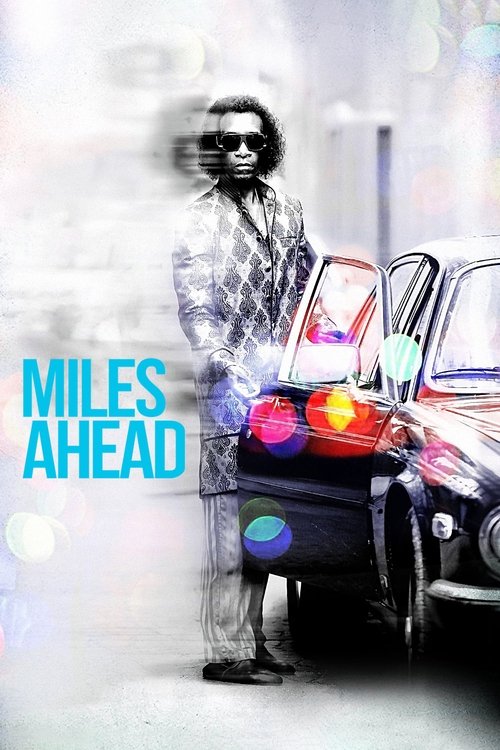
Miles Ahead
An exploration of the life and music of Miles Davis.
The film earned $3.5M at the global box office.


Plot Structure
Story beats plotted across runtime


Narrative Arc
Emotional journey through the story's key moments
Story Circle
Blueprint 15-beat structure
Arcplot Score Breakdown
Weighted: Precision (70%) + Arc (15%) + Theme (15%)
Miles Ahead (2016) demonstrates precise narrative architecture, characteristic of Don Cheadle's storytelling approach. This structural analysis examines how the film's 15-point plot structure maps to proven narrative frameworks across 1 hour and 40 minutes. With an Arcplot score of 6.8, the film balances conventional beats with creative variation.
Characters
Cast & narrative archetypes

Miles Davis
Dave Braden
Frances Taylor
Harper Hamilton
Junior
Main Cast & Characters
Miles Davis
Played by Don Cheadle
Legendary jazz trumpeter in creative crisis during his silent period of the late 1970s, battling demons while trying to reclaim his stolen master tapes
Dave Braden
Played by Ewan McGregor
Rolling Stone reporter who inserts himself into Miles' life, initially opportunistic but becomes genuine ally in recovering the stolen tapes
Frances Taylor
Played by Emayatzy Corinealdi
Miles' ex-wife and former dancer, representing his lost love and creative muse, appears in flashbacks showing their passionate but troubled relationship
Harper Hamilton
Played by Michael Stuhlbarg
Sleazy music executive trying to exploit Miles' silence and steal his session tapes for profit
Junior
Played by LaKeith Stanfield
Harper's dangerous enforcer and drug dealer who becomes the primary physical antagonist in pursuit of the stolen tapes
Structural Analysis
The Status Quo at 1 minutes (1% through the runtime) establishes Miles Davis, reclusive and volatile, holds a reporter at gunpoint in his darkened mansion, refusing to discuss his silent years. The once-brilliant musician is now isolated, paranoid, and creatively blocked.. Notably, this early placement immediately immerses viewers in the story world.
The inciting incident occurs at 13 minutes when Miles discovers that Harper Hamilton has stolen his unreleased session tapes from Columbia Records. This theft threatens his comeback and ignites his determination to retrieve them, forcing him out of isolation.. At 13% through the film, this Disruption is delayed, allowing extended setup of the story world. This beat shifts the emotional landscape, launching the protagonist into the central conflict.
The First Threshold at 25 minutes marks the transition into Act II, occurring at 25% of the runtime. This illustrates the protagonist's commitment to Miles commits to the chase, leaving his fortress-like home with Dave to pursue Harper Hamilton. This active choice propels him into a dangerous adventure through the New York underworld, marking his re-entry into life., moving from reaction to action.
At 51 minutes, the Midpoint arrives at 51% of the runtime—precisely centered, creating perfect narrative symmetry. The analysis reveals that this crucial beat Miles and Dave are captured by Harper's associates. The false victory of the chase becomes a false defeat as Miles confronts the reality that he may never reclaim his work or his former self. The stakes intensify dramatically., fundamentally raising what's at risk. The emotional intensity shifts, dividing the narrative into clear before-and-after phases.
The Collapse moment at 76 minutes (76% through) represents the emotional nadir. Here, In flashback, Miles strikes Frances, destroying their relationship forever—the symbolic death of his creative innocence and capacity for love. In the present timeline, Miles hits bottom, facing the full weight of what his demons have cost him., reveals the protagonist at their lowest point. This beat's placement in the final quarter sets up the climactic reversal.
The Second Threshold at 80 minutes initiates the final act resolution at 80% of the runtime. Miles realizes the tapes don't matter—what matters is creating something new. He synthesizes the lesson Frances taught him about evolution with his survival instincts, choosing to move forward rather than reclaim the past., demonstrating the transformation achieved throughout the journey.
Emotional Journey
Miles Ahead's emotional architecture traces a deliberate progression across 15 carefully calibrated beats.
Narrative Framework
This structural analysis employs proven narrative structure principles that track dramatic progression. By mapping Miles Ahead against these established plot points, we can identify how Don Cheadle utilizes or subverts traditional narrative conventions. The plot point approach reveals not only adherence to structural principles but also creative choices that distinguish Miles Ahead within the drama genre.
Comparative Analysis
Additional drama films include After Thomas, South Pacific and Dirty Dancing: Havana Nights.
Plot Points by Act
Act I
SetupStatus Quo
Miles Davis, reclusive and volatile, holds a reporter at gunpoint in his darkened mansion, refusing to discuss his silent years. The once-brilliant musician is now isolated, paranoid, and creatively blocked.
Theme
Dave Braden tells Miles, "Sometimes you gotta go backwards to go forward." This statement encapsulates the film's exploration of confronting the past to reclaim one's creative voice and identity.
Worldbuilding
Establishment of Miles' current state in 1979: addiction, isolation, and inability to create. Flashbacks introduce his relationship with Frances Taylor and his artistic peak. Dave Braden, a fabricated Rolling Stone reporter, attempts to infiltrate Miles' life.
Disruption
Miles discovers that Harper Hamilton has stolen his unreleased session tapes from Columbia Records. This theft threatens his comeback and ignites his determination to retrieve them, forcing him out of isolation.
Resistance
Miles reluctantly partners with Dave Braden to recover the stolen tapes. Their uneasy alliance forms as Miles debates whether to re-engage with the world. Flashbacks show Frances encouraging Miles to evolve artistically, providing context for his creative struggle.
Act II
ConfrontationFirst Threshold
Miles commits to the chase, leaving his fortress-like home with Dave to pursue Harper Hamilton. This active choice propels him into a dangerous adventure through the New York underworld, marking his re-entry into life.
Mirror World
Extended flashback to Miles' relationship with Frances Taylor deepens. She represents the love and creative partnership he lost through his obsession with control and artistry, mirroring his current need to balance creation with connection.
Premise
The wild caper to recover the tapes plays out: car chases, confrontations with gangsters, and negotiations with record executives. Miles and Dave navigate danger while Miles' past with Frances reveals the cost of his artistic perfectionism and self-destructive behavior.
Midpoint
Miles and Dave are captured by Harper's associates. The false victory of the chase becomes a false defeat as Miles confronts the reality that he may never reclaim his work or his former self. The stakes intensify dramatically.
Opposition
Miles' past catches up as flashbacks reveal his violent jealousy driving Frances away. In the present, Harper and the record company executives close in, exploiting Miles' desperation. His flaws—paranoia, violence, addiction—threaten to destroy his comeback before it begins.
Collapse
In flashback, Miles strikes Frances, destroying their relationship forever—the symbolic death of his creative innocence and capacity for love. In the present timeline, Miles hits bottom, facing the full weight of what his demons have cost him.
Crisis
Miles confronts the darkness of his past actions and present emptiness. He processes the loss of Frances, his music, and nearly his life. The question becomes whether he can channel his pain into art rather than destruction.
Act III
ResolutionSecond Threshold
Miles realizes the tapes don't matter—what matters is creating something new. He synthesizes the lesson Frances taught him about evolution with his survival instincts, choosing to move forward rather than reclaim the past.
Synthesis
Miles and Dave execute a final confrontation to resolve the tape situation, but more importantly, Miles returns to the recording studio. He begins creating new music, channeling his pain and experience into artistic innovation rather than dwelling on lost recordings.
Transformation
Miles performs new music with fierce creativity and joy, his trumpet alive again. Unlike the opening image of isolation and silence, he is now engaged, creating, and connected to his art—transformed through confronting his past rather than hiding from it.