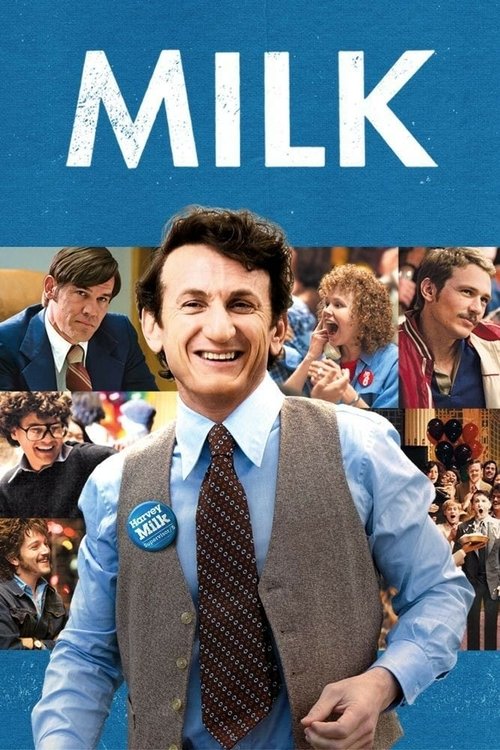
Milk
The true story of Harvey Milk, the first openly gay man ever elected to public office. In San Francisco in the late 1970s, Harvey Milk becomes an activist for gay rights and inspires others to join him in his fight for equal rights that should be available to all Americans.
Despite a respectable budget of $20.0M, Milk became a solid performer, earning $54.6M worldwide—a 173% return.
2 Oscars. 66 wins & 146 nominations


Plot Structure
Story beats plotted across runtime


Narrative Arc
Emotional journey through the story's key moments
Story Circle
Blueprint 15-beat structure
Arcplot Score Breakdown
Weighted: Precision (70%) + Arc (15%) + Theme (15%)
Milk (2008) reveals strategically placed story structure, characteristic of Gus Van Sant's storytelling approach. This structural analysis examines how the film's 15-point plot structure maps to proven narrative frameworks across 2 hours and 8 minutes. With an Arcplot score of 6.9, the film balances conventional beats with creative variation.
Characters
Cast & narrative archetypes

Harvey Milk
Scott Smith
Dan White
Cleve Jones
Anne Kronenberg
Jack Lira
George Moscone
Main Cast & Characters
Harvey Milk
Played by Sean Penn
Openly gay political activist who becomes San Francisco's first openly gay elected official, fighting for LGBTQ+ rights and social justice.
Scott Smith
Played by James Franco
Harvey Milk's long-term partner and business collaborator who helps establish Castro Camera and supports his political campaigns.
Dan White
Played by Josh Brolin
Conservative San Francisco city supervisor who becomes increasingly bitter and resentful, ultimately assassinating Harvey Milk and Mayor George Moscone.
Cleve Jones
Played by Emile Hirsch
Young gay activist and protégé of Harvey Milk who helps organize the community and later creates the AIDS Memorial Quilt.
Anne Kronenberg
Played by Alison Pill
Harvey Milk's savvy campaign manager who helps professionalize his political operation and strategy.
Jack Lira
Played by Diego Luna
Emotionally troubled young man who becomes Harvey Milk's boyfriend after Scott Smith, struggling with mental health and jealousy.
George Moscone
Played by Victor Garber
Progressive Mayor of San Francisco who appoints Harvey Milk to the Board of Permit Appeals and supports his causes.
Structural Analysis
The Status Quo at 1 minutes (1% through the runtime) establishes Harvey Milk records his will on tape, anticipating assassination. Opens with death, establishing stakes and the political danger he faces.. Of particular interest, this early placement immediately immerses viewers in the story world.
The inciting incident occurs at 15 minutes when Police raid a gay bar and Harvey witnesses brutal treatment. He realizes staying silent and hiding won't protect the community - they must fight for political power.. At 11% through the film, this Disruption aligns precisely with traditional story structure. This beat shifts the emotional landscape, launching the protagonist into the central conflict.
The First Threshold at 31 minutes marks the transition into Act II, occurring at 24% of the runtime. This reveals the protagonist's commitment to Harvey decides to cut his hair, wear suits, and run a serious campaign for Assembly. Chooses to transform from radical to politician to win real power., moving from reaction to action.
At 62 minutes, the Midpoint arrives at 49% of the runtime—precisely centered, creating perfect narrative symmetry. The analysis reveals that this crucial beat Harvey wins election as City Supervisor - first openly gay man elected to major public office in America. False victory: he has power, but the real battles are just beginning., fundamentally raising what's at risk. The emotional intensity shifts, dividing the narrative into clear before-and-after phases.
The Collapse moment at 94 minutes (73% through) represents the emotional nadir. Here, Jack Lira commits suicide. Literal death that devastates Harvey personally and shows the cost of his public life. His relationships cannot survive his political mission., demonstrates the protagonist at their lowest point. This beat's placement in the final quarter sets up the climactic reversal.
The Second Threshold at 101 minutes initiates the final act resolution at 79% of the runtime. Dan White asks for his job back and Mayor Moscone refuses at Harvey's urging. Harvey realizes he's made a dangerous enemy but chooses principle over safety. Synthesis of personal and political., demonstrating the transformation achieved throughout the journey.
Emotional Journey
Milk's emotional architecture traces a deliberate progression across 15 carefully calibrated beats.
Narrative Framework
This structural analysis employs systematic plot point analysis that identifies crucial turning points. By mapping Milk against these established plot points, we can identify how Gus Van Sant utilizes or subverts traditional narrative conventions. The plot point approach reveals not only adherence to structural principles but also creative choices that distinguish Milk within the history genre.
Gus Van Sant's Structural Approach
Among the 11 Gus Van Sant films analyzed on Arcplot, the average structural score is 6.8, demonstrating varied approaches to story architecture. Milk represents one of the director's most structurally precise works. For comparative analysis, explore the complete Gus Van Sant filmography.
Comparative Analysis
Additional history films include The Attacks Of 26/11, Joyeux Noel and Rob Roy. For more Gus Van Sant analyses, see To Die For, Good Will Hunting and Finding Forrester.
Plot Points by Act
Act I
SetupStatus Quo
Harvey Milk records his will on tape, anticipating assassination. Opens with death, establishing stakes and the political danger he faces.
Theme
Harvey tells Scott on his 40th birthday: "I know I'm going to make a difference." Theme stated: one person can change the world through visibility and courage.
Worldbuilding
Harvey and Scott move to Castro District, open camera shop, experience discrimination. Establishes 1970s gay life, police raids, closeted culture, and Harvey's initial reluctance to fight back.
Disruption
Police raid a gay bar and Harvey witnesses brutal treatment. He realizes staying silent and hiding won't protect the community - they must fight for political power.
Resistance
Harvey organizes Castro merchants, runs first campaign for supervisor, loses but gains visibility. Debates whether politics is the answer. Meets Cleve Jones and other activists who guide him.
Act II
ConfrontationFirst Threshold
Harvey decides to cut his hair, wear suits, and run a serious campaign for Assembly. Chooses to transform from radical to politician to win real power.
Mirror World
Harvey meets Jack Lira, beginning a troubled relationship that represents the personal cost of political life. Jack embodies the theme: visibility vs. privacy, public duty vs. personal happiness.
Premise
Harvey campaigns hard, builds coalition, loses again but gets closer. The "fun and games" of political organizing: rallies, speeches, media attention, growing movement. Community comes alive.
Midpoint
Harvey wins election as City Supervisor - first openly gay man elected to major public office in America. False victory: he has power, but the real battles are just beginning.
Opposition
Harvey battles Prop 6 (Briggs Initiative) to ban gay teachers. Dan White grows resentful and antagonistic. Jack's mental health deteriorates. Anita Bryant's campaign gains momentum. Opposition intensifies on all fronts.
Collapse
Jack Lira commits suicide. Literal death that devastates Harvey personally and shows the cost of his public life. His relationships cannot survive his political mission.
Crisis
Harvey grieves Jack, questions whether the sacrifice is worth it. Dan White resigns from Board of Supervisors. Dark night processing loss and isolation.
Act III
ResolutionSecond Threshold
Dan White asks for his job back and Mayor Moscone refuses at Harvey's urging. Harvey realizes he's made a dangerous enemy but chooses principle over safety. Synthesis of personal and political.
Synthesis
Prop 6 defeated - Harvey's greatest triumph. Dan White assassinates both Mayor Moscone and Harvey Milk. Candlelight vigil. The movement survives and grows beyond one man.
Transformation
Massive candlelight vigil through San Francisco. Harvey's taped message plays: "You gotta give them hope." His death creates the visibility he fought for - transformation from man to movement.