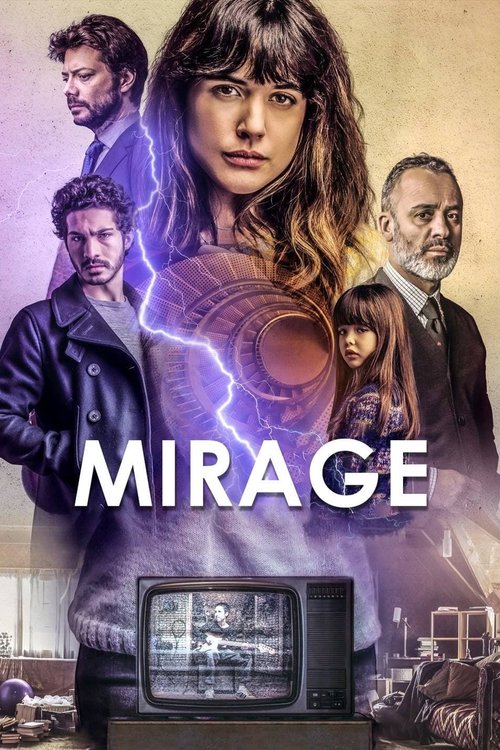
Mirage
During a mysterious thunderstorm, Vera, a young mother, manages to save a life in danger, but her good deed causes a disturbing chain of unexpected consequences.
The film earned $17.3M at the global box office.


Plot Structure
Story beats plotted across runtime


Narrative Arc
Emotional journey through the story's key moments
Story Circle
Blueprint 15-beat structure
Arcplot Score Breakdown
Weighted: Precision (70%) + Arc (15%) + Theme (15%)
Mirage (2018) showcases meticulously timed dramatic framework, characteristic of Oriol Paulo's storytelling approach. This structural analysis examines how the film's 15-point plot structure maps to proven narrative frameworks across 2 hours and 9 minutes. With an Arcplot score of 7.1, the film balances conventional beats with creative variation.
Characters
Cast & narrative archetypes

Vera Roy
David Ortiz
Nico
Aitor Medina
Gloria Ortiz
Hilda
Ángel Prieto
Main Cast & Characters
Vera Roy
Played by Adriana Ugarte
A nurse who discovers she can communicate across time during a storm, altering the past to save a boy's life but drastically changing her present reality.
David Ortiz
Played by Álvaro Morte
A police inspector investigating a murder case who becomes Vera's ally in the altered timeline where they are strangers.
Nico
Played by Julio Bohigas-Couto
Vera's young daughter who exists in the original timeline but never existed in the altered reality after Vera changes the past.
Aitor Medina
Played by Julio Bohigas-Couto
The young boy from 1989 whom Vera saves through the temporal connection, whose survival creates a butterfly effect.
Gloria Ortiz
Played by Nora Navas
David's wife in the altered timeline and a successful surgeon, who has the life Vera had in the original timeline.
Hilda
Played by Clara Segura
The elderly neighbor who lived in the house in 1989 and whose death is connected to Aitor's fate.
Ángel Prieto
Played by Miquel Fernández
Hilda's unstable son from 1989 who becomes a key figure in both timelines and the dark force opposing Vera.
Structural Analysis
The Status Quo at 2 minutes (1% through the runtime) establishes 1989: Young Nico witnesses his neighbor Hilda being murdered during a storm. Vera, a happy nurse, lives with husband David and daughter Gloria in 2014.. Significantly, this early placement immediately immerses viewers in the story world.
The inciting incident occurs at 15 minutes when During the same storm conditions 25 years later, Vera finds an old TV in the house that creates a temporal link. She sees young Nico in 1989 and warns him not to go outside, saving his life.. At 12% through the film, this Disruption aligns precisely with traditional story structure. This beat shifts the emotional landscape, launching the protagonist into the central conflict.
The First Threshold at 32 minutes marks the transition into Act II, occurring at 25% of the runtime. This indicates the protagonist's commitment to Vera makes the active choice to investigate and restore her original timeline. She refuses to accept this reality where Gloria doesn't exist and commits to finding out what changed., moving from reaction to action.
At 64 minutes, the Midpoint arrives at 50% of the runtime—precisely centered, creating perfect narrative symmetry. Structural examination shows that this crucial beat Vera discovers evidence that proves Gloria existed in the original timeline and finds a potential method to contact the past again during the storm's recurrence. False victory: she believes she can fix everything., fundamentally raising what's at risk. The emotional intensity shifts, dividing the narrative into clear before-and-after phases.
The Collapse moment at 96 minutes (74% through) represents the emotional nadir. Here, Vera is arrested and imprisoned for actions in the altered timeline. Her opportunity to contact the past during the storm seems lost. The "whiff of death": her hopes of restoring Gloria appear to have died., shows the protagonist at their lowest point. This beat's placement in the final quarter sets up the climactic reversal.
The Second Threshold at 103 minutes initiates the final act resolution at 80% of the runtime. Vera gains crucial information that allows her one final chance to alter the past. She synthesizes everything she's learned about the timeline and makes the ultimate choice about what reality she'll fight for., demonstrating the transformation achieved throughout the journey.
Emotional Journey
Mirage's emotional architecture traces a deliberate progression across 15 carefully calibrated beats.
Narrative Framework
This structural analysis employs proven narrative structure principles that track dramatic progression. By mapping Mirage against these established plot points, we can identify how Oriol Paulo utilizes or subverts traditional narrative conventions. The plot point approach reveals not only adherence to structural principles but also creative choices that distinguish Mirage within the thriller genre.
Oriol Paulo's Structural Approach
Among the 2 Oriol Paulo films analyzed on Arcplot, the average structural score is 7.2, reflecting strong command of classical structure. Mirage takes a more unconventional approach compared to the director's typical style. For comparative analysis, explore the complete Oriol Paulo filmography.
Comparative Analysis
Additional thriller films include The Warriors, Thunderball and Rustom. For more Oriol Paulo analyses, see The Invisible Guest.
Plot Points by Act
Act I
SetupStatus Quo
1989: Young Nico witnesses his neighbor Hilda being murdered during a storm. Vera, a happy nurse, lives with husband David and daughter Gloria in 2014.
Theme
David discusses parallel timelines and quantum mechanics with Vera, suggesting that our choices create different realities - foreshadowing the film's central exploration of consequence and fate.
Worldbuilding
Establishing Vera's perfect life: loving marriage to David, daughter Gloria, new house on the same street where Nico died 25 years ago. The anniversary of the 1989 storm approaches.
Disruption
During the same storm conditions 25 years later, Vera finds an old TV in the house that creates a temporal link. She sees young Nico in 1989 and warns him not to go outside, saving his life.
Resistance
Vera wakes to a completely altered reality: she has no daughter, David doesn't recognize her as his wife, her professional life has changed. She struggles to understand what happened and debates whether to accept this new reality.
Act II
ConfrontationFirst Threshold
Vera makes the active choice to investigate and restore her original timeline. She refuses to accept this reality where Gloria doesn't exist and commits to finding out what changed.
Mirror World
Vera encounters the now-adult Nico, who survived because of her intervention. He represents the moral complexity of her quest - to restore Gloria means Nico must die.
Premise
Vera investigates the butterfly effect of saving Nico: how it changed the murder case, affected multiple lives, and prevented Gloria's existence. She navigates the altered timeline seeking a way to communicate with the past again.
Midpoint
Vera discovers evidence that proves Gloria existed in the original timeline and finds a potential method to contact the past again during the storm's recurrence. False victory: she believes she can fix everything.
Opposition
The investigation intensifies as Vera races against time. Adult Nico and others begin to suspect her strange behavior. The moral weight increases: restoring her daughter means condemning Nico to death as a child.
Collapse
Vera is arrested and imprisoned for actions in the altered timeline. Her opportunity to contact the past during the storm seems lost. The "whiff of death": her hopes of restoring Gloria appear to have died.
Crisis
Vera processes the seemingly impossible situation from her cell. She faces the dark moral question: Is she willing to sacrifice an innocent man to restore her daughter who no one else remembers?
Act III
ResolutionSecond Threshold
Vera gains crucial information that allows her one final chance to alter the past. She synthesizes everything she's learned about the timeline and makes the ultimate choice about what reality she'll fight for.
Synthesis
The finale unfolds across multiple timelines as Vera's final intervention cascades through time. The resolution reveals the ultimate consequences of her choices and which version of reality will prevail.
Transformation
The closing image mirrors the opening but transformed: Vera in her final reality, having made the impossible choice between timelines. The resolution shows who she has become through this ordeal.