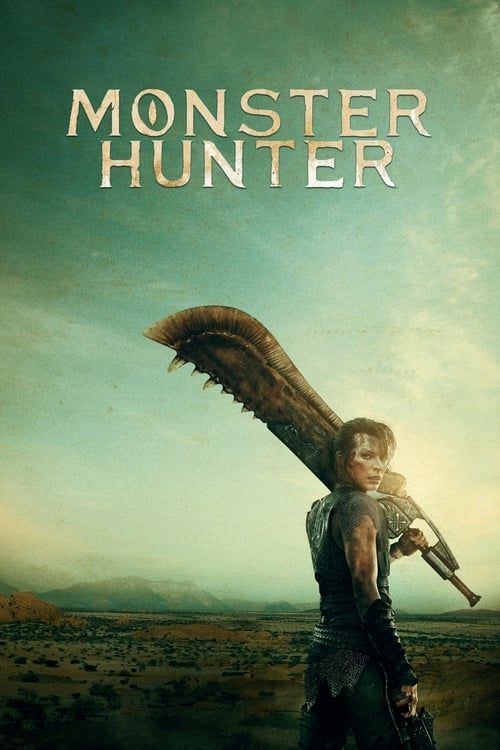
Monster Hunter
A portal transports Cpt. Artemis and an elite unit of soldiers to a strange world where powerful monsters rule with deadly ferocity. Faced with relentless danger, the team encounters a mysterious hunter who may be their only hope to find a way home.
The film disappointed at the box office against its mid-range budget of $60.0M, earning $42.1M globally (-30% loss). While initial box office returns were modest, the film has gained appreciation for its unconventional structure within the action genre.


Plot Structure
Story beats plotted across runtime


Narrative Arc
Emotional journey through the story's key moments
Story Circle
Blueprint 15-beat structure
Arcplot Score Breakdown
Weighted: Precision (70%) + Arc (15%) + Theme (15%)
Monster Hunter (2020) exemplifies strategically placed narrative architecture, characteristic of Paul W. S. Anderson's storytelling approach. This structural analysis examines how the film's 15-point plot structure maps to proven narrative frameworks across 1 hour and 43 minutes. With an Arcplot score of 7.3, the film balances conventional beats with creative variation.
Characters
Cast & narrative archetypes

Captain Natalie Artemis
The Hunter
Admiral
Main Cast & Characters
Captain Natalie Artemis
Played by Milla Jovovich
A U.S. Army Ranger captain who leads her squad through a portal to a dangerous world filled with giant monsters.
The Hunter
Played by Tony Jaa
A skilled and resourceful warrior native to the monster world who becomes Artemis's ally and guide.
Admiral
Played by Ron Perlman
The leader of the hunters in the New World who commands significant resources and knowledge about the monsters.
Structural Analysis
The Status Quo at 1 minutes (1% through the runtime) establishes Captain Artemis leads her U.S. Army Ranger team on a routine mission in the desert, demonstrating her confidence and leadership in a familiar, controlled military environment.. The analysis reveals that this early placement immediately immerses viewers in the story world.
The inciting incident occurs at 11 minutes when A massive supernatural storm engulfs the team, transporting them to a parallel world. Their vehicles and equipment malfunction as reality itself shifts around them.. At 11% through the film, this Disruption aligns precisely with traditional story structure. This beat shifts the emotional landscape, launching the protagonist into the central conflict.
The First Threshold at 25 minutes marks the transition into Act II, occurring at 24% of the runtime. This illustrates the protagonist's commitment to The Diablos monster emerges and attacks, forcing Artemis to actively choose to fight for survival in this new world rather than retreat. Her team is decimated, leaving her alone., moving from reaction to action.
At 51 minutes, the Midpoint arrives at 49% of the runtime—precisely centered, creating perfect narrative symmetry. Significantly, this crucial beat Artemis and the Hunter successfully defeat the Nerscylla together, a false victory where she believes she's mastered this world. They bond and she gains confidence, but the real threat—the Rathalos dragon—still looms., fundamentally raising what's at risk. The emotional intensity shifts, dividing the narrative into clear before-and-after phases.
The Collapse moment at 77 minutes (75% through) represents the emotional nadir. Here, The Hunter is seemingly killed by the Rathalos while protecting Artemis. She loses her guide and friend, facing both literal and metaphorical death as she's left alone again in this hostile world., illustrates the protagonist at their lowest point. This beat's placement in the final quarter sets up the climactic reversal.
The Second Threshold at 82 minutes initiates the final act resolution at 80% of the runtime. Artemis discovers the Hunter survived and gains new resolve. She synthesizes her military training with the Hunter's knowledge, choosing to close the portal and destroy the Rathalos to save both worlds rather than simply escape., demonstrating the transformation achieved throughout the journey.
Emotional Journey
Monster Hunter's emotional architecture traces a deliberate progression across 15 carefully calibrated beats.
Narrative Framework
This structural analysis employs systematic plot point analysis that identifies crucial turning points. By mapping Monster Hunter against these established plot points, we can identify how Paul W. S. Anderson utilizes or subverts traditional narrative conventions. The plot point approach reveals not only adherence to structural principles but also creative choices that distinguish Monster Hunter within the action genre.
Paul W. S. Anderson's Structural Approach
Among the 10 Paul W. S. Anderson films analyzed on Arcplot, the average structural score is 7.2, reflecting strong command of classical structure. Monster Hunter represents one of the director's most structurally precise works. For comparative analysis, explore the complete Paul W. S. Anderson filmography.
Comparative Analysis
Additional action films include The Bad Guys, Puss in Boots and Venom: The Last Dance. For more Paul W. S. Anderson analyses, see AVP: Alien vs. Predator, Mortal Kombat and Event Horizon.
Plot Points by Act
Act I
SetupStatus Quo
Captain Artemis leads her U.S. Army Ranger team on a routine mission in the desert, demonstrating her confidence and leadership in a familiar, controlled military environment.
Theme
A team member mentions "We're not in Kansas anymore" as strange phenomena begin, hinting at the theme of adapting to an incomprehensible new reality beyond one's control.
Worldbuilding
Establishment of Artemis's team dynamics, military protocol, and their mission to find a missing squad. The desert environment and team relationships are set up before the disruption.
Disruption
A massive supernatural storm engulfs the team, transporting them to a parallel world. Their vehicles and equipment malfunction as reality itself shifts around them.
Resistance
Artemis and her team explore the alien desert, discovering massive skeleton remains and realizing they're in mortal danger. They debate whether to search for the missing team or find shelter, hesitant to accept their new reality.
Act II
ConfrontationFirst Threshold
The Diablos monster emerges and attacks, forcing Artemis to actively choose to fight for survival in this new world rather than retreat. Her team is decimated, leaving her alone.
Mirror World
Artemis encounters the Hunter (Tony Jaa), a native of this world. Though they initially fight, he represents an alternative way of surviving—through knowledge, respect for the monsters, and adaptation rather than brute force.
Premise
Artemis and the Hunter overcome language and cultural barriers, learning to work together. The "fun and games" of monster hunting begins as she learns to use new weapons and tactics to survive against creatures like Nerscylla.
Midpoint
Artemis and the Hunter successfully defeat the Nerscylla together, a false victory where she believes she's mastered this world. They bond and she gains confidence, but the real threat—the Rathalos dragon—still looms.
Opposition
The duo journeys to the Sky Tower to reach the portal home. The Rathalos attacks repeatedly, proving far more dangerous than anything before. Artemis realizes the portal threatens both worlds, and her desire to go home conflicts with preventing catastrophe.
Collapse
The Hunter is seemingly killed by the Rathalos while protecting Artemis. She loses her guide and friend, facing both literal and metaphorical death as she's left alone again in this hostile world.
Crisis
Artemis grieves the Hunter's death and faces despair. She must process whether to flee home or honor his sacrifice by protecting both worlds from the monsters that could cross through the portal.
Act III
ResolutionSecond Threshold
Artemis discovers the Hunter survived and gains new resolve. She synthesizes her military training with the Hunter's knowledge, choosing to close the portal and destroy the Rathalos to save both worlds rather than simply escape.
Synthesis
Artemis leads the final battle against the Rathalos and the Gore Magala. Using both military tactics and monster-hunting techniques, she and the Hunter work with the Admiral to prevent the monsters from crossing into her world and close the portal.
Transformation
Artemis chooses to remain in the monster world as a hunter rather than return home, transformed from a soldier following orders to a warrior who understands a larger purpose. She joins the Hunter's guild to protect both worlds.