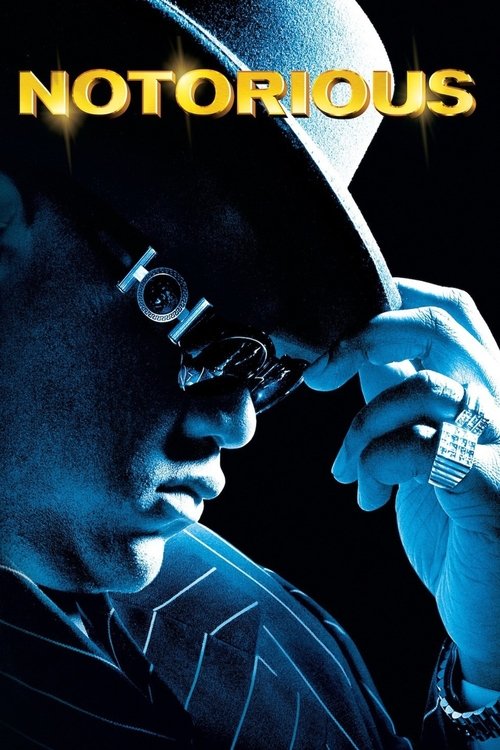
Notorious
"Notorious" is the story of Christopher Wallace. Through raw talent and sheer determination, Wallace transforms himself from Brooklyn street hustler (once selling crack to pregnant women) to one of the greatest rappers of all time: The Notorious B.I.G. Follow his meteoric rise to fame and his refusal to succumb to expectations - redefining our notion of "The American Dream."
The film earned $43.1M at the global box office.


Plot Structure
Story beats plotted across runtime


Narrative Arc
Emotional journey through the story's key moments
Story Circle
Blueprint 15-beat structure
Arcplot Score Breakdown
Weighted: Precision (70%) + Arc (15%) + Theme (15%)
Notorious (2009) exemplifies deliberately positioned story structure, characteristic of George Tillman Jr.'s storytelling approach. This structural analysis examines how the film's 15-point plot structure maps to proven narrative frameworks across 2 hours and 2 minutes. With an Arcplot score of 6.9, the film balances conventional beats with creative variation.
Structural Analysis
The Status Quo at 1 minutes (1% through the runtime) establishes Young Christopher Wallace selling drugs on Brooklyn streets, struggling in poverty with his mother Voletta. The opening establishes his world of limited options and street survival.. The analysis reveals that this early placement immediately immerses viewers in the story world.
The inciting incident occurs at 15 minutes when Christopher is arrested and sent to prison. This moment disrupts his street life and forces him to confront the consequences of his choices, while also giving him time to focus on writing rhymes.. At 12% through the film, this Disruption aligns precisely with traditional story structure. This beat shifts the emotional landscape, launching the protagonist into the central conflict.
The First Threshold at 30 minutes marks the transition into Act II, occurring at 25% of the runtime. This reveals the protagonist's commitment to Christopher signs with Bad Boy Records and fully commits to becoming "The Notorious B.I.G." He actively chooses to leave drug dealing behind and enter the music world, launching Act 2., moving from reaction to action.
At 60 minutes, the Midpoint arrives at 50% of the runtime—precisely centered, creating perfect narrative symmetry. The analysis reveals that this crucial beat The East Coast-West Coast rivalry intensifies and Tupac is shot at Quad Studios. Tupac blames Biggie, destroying their friendship. This false defeat raises the stakes—success now comes with deadly consequences and betrayal., fundamentally raising what's at risk. The emotional intensity shifts, dividing the narrative into clear before-and-after phases.
The Collapse moment at 91 minutes (74% through) represents the emotional nadir. Here, Tupac Shakur is murdered in Las Vegas. The whiff of death—Biggie's former friend is killed, and Biggie realizes he could be next. The loss is profound and the danger utterly real., reveals the protagonist at their lowest point. This beat's placement in the final quarter sets up the climactic reversal.
The Second Threshold at 97 minutes initiates the final act resolution at 79% of the runtime. Biggie decides to rise above the beef, focus on his music and family, and promote peace. He travels to Los Angeles to support his album "Life After Death" and attempts to move forward despite the danger. New clarity about what matters., demonstrating the transformation achieved throughout the journey.
Emotional Journey
Notorious's emotional architecture traces a deliberate progression across 15 carefully calibrated beats.
Narrative Framework
This structural analysis employs structural analysis methodology used to understand storytelling architecture. By mapping Notorious against these established plot points, we can identify how George Tillman Jr. utilizes or subverts traditional narrative conventions. The plot point approach reveals not only adherence to structural principles but also creative choices that distinguish Notorious within the music genre.
George Tillman Jr.'s Structural Approach
Among the 4 George Tillman Jr. films analyzed on Arcplot, the average structural score is 7.1, reflecting strong command of classical structure. Notorious takes a more unconventional approach compared to the director's typical style. For comparative analysis, explore the complete George Tillman Jr. filmography.
Comparative Analysis
Additional music films include South Pacific, Dirty Dancing: Havana Nights and Yesterday. For more George Tillman Jr. analyses, see Faster, The Longest Ride and Men of Honor.
Plot Points by Act
Act I
SetupStatus Quo
Young Christopher Wallace selling drugs on Brooklyn streets, struggling in poverty with his mother Voletta. The opening establishes his world of limited options and street survival.
Theme
Voletta Wallace tells Christopher, "You can be anything you want to be in this world, but you gotta want it for the right reasons." This establishes the film's central question about authenticity, ambition, and the price of success.
Worldbuilding
Establishing Christopher's life in Brooklyn: his friendship with D-Roc, his drug dealing, his strained relationship with his devoted mother, his natural talent for freestyling, and his daughter's birth to Jan. The setup shows a talented young man trapped by circumstances.
Disruption
Christopher is arrested and sent to prison. This moment disrupts his street life and forces him to confront the consequences of his choices, while also giving him time to focus on writing rhymes.
Resistance
After release from prison, Christopher debates continuing to sell drugs versus pursuing rap seriously. He records a demo tape that reaches Sean "Puffy" Combs. Christopher hesitates about fully committing to the music industry, unsure if he can make it.
Act II
ConfrontationFirst Threshold
Christopher signs with Bad Boy Records and fully commits to becoming "The Notorious B.I.G." He actively chooses to leave drug dealing behind and enter the music world, launching Act 2.
Mirror World
Christopher meets and begins his relationship with Faith Evans. She represents the thematic counterpoint—a legitimate artist who believes in him and embodies the authentic success he seeks, contrasting with the street life he left behind.
Premise
The "fun and games" of hip-hop success: recording "Ready to Die," touring, growing fame, friendship and collaboration with Tupac Shakur, marriage to Faith Evans, parties, money, and the fulfillment of the premise—watching Biggie become a rap superstar.
Midpoint
The East Coast-West Coast rivalry intensifies and Tupac is shot at Quad Studios. Tupac blames Biggie, destroying their friendship. This false defeat raises the stakes—success now comes with deadly consequences and betrayal.
Opposition
The bad guys close in: the East Coast-West Coast beef escalates, Biggie's marriage to Faith deteriorates, his relationship with Puffy becomes strained, Tupac publicly attacks him in diss tracks, violence increases, and Biggie feels trapped by the feud he never wanted.
Collapse
Tupac Shakur is murdered in Las Vegas. The whiff of death—Biggie's former friend is killed, and Biggie realizes he could be next. The loss is profound and the danger utterly real.
Crisis
Biggie mourns Tupac, processes the fear and paranoia, reflects on the cost of fame. Dark night of the soul as he grapples with mortality, regret, and the realization that the music industry has become dangerous.
Act III
ResolutionSecond Threshold
Biggie decides to rise above the beef, focus on his music and family, and promote peace. He travels to Los Angeles to support his album "Life After Death" and attempts to move forward despite the danger. New clarity about what matters.
Synthesis
Finale in Los Angeles: Biggie promotes the album, attends the Soul Train Awards party, spends final moments with friends and Puffy. The film builds to the inevitable tragic conclusion while showing Biggie at peace with his choices.
Transformation
Biggie is murdered in a drive-by shooting after leaving the party. The closing image shows his death, contrasted with archival footage and the legacy he left—from Brooklyn street kid to legendary artist, the transformation complete but tragic.