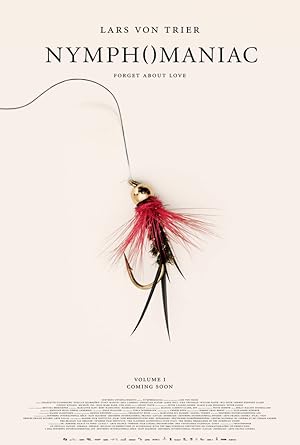
Nymphomaniac: Vol. I
A man named Seligman finds a fainted wounded woman in an alley and he brings her home. She tells him that her name is Joe and that she is nymphomaniac. Joe tells her life and sexual experiences with hundreds of men since she was a young teenager while Seligman tells about his hobbies, such as fly fishing, reading about Fibonacci numbers or listening to organ music.
Despite its tight budget of $2.4M, Nymphomaniac: Vol. I became a solid performer, earning $13.5M worldwide—a 476% return. The film's compelling narrative attracted moviegoers, confirming that strong storytelling can transcend budget limitations.
17 wins & 30 nominations


Plot Structure
Story beats plotted across runtime


Narrative Arc
Emotional journey through the story's key moments
Story Circle
Blueprint 15-beat structure
Arcplot Score Breakdown
Weighted: Precision (70%) + Arc (15%) + Theme (15%)
Nymphomaniac: Vol. I (2013) exemplifies precise narrative architecture, characteristic of Lars von Trier's storytelling approach. This structural analysis examines how the film's 15-point plot structure maps to proven narrative frameworks across 1 hour and 58 minutes. With an Arcplot score of 6.9, the film balances conventional beats with creative variation.
Characters
Cast & narrative archetypes

Joe
Seligman
Young Joe
Jerome
Mrs. H
Joe's Father
B
Main Cast & Characters
Joe
Played by Charlotte Gainsbourg
A self-diagnosed nymphomaniac who recounts her erotic life story to a stranger who found her beaten in an alley. She is deeply introspective and views her sexuality with both acceptance and shame.
Seligman
Played by Stellan Skarsgard
An intellectual, asexual bachelor who takes Joe into his home and listens to her story with scholarly fascination, drawing literary and philosophical parallels to her experiences.
Young Joe
Played by Stacy Martin
The teenage and young adult version of Joe, shown discovering and embracing her sexuality with rebellious abandon and emotional detachment.
Jerome
Played by Shia LaBeouf
A charming but emotionally distant man who takes Joe's virginity and later becomes a significant romantic figure in her life, representing the possibility of love beyond lust.
Mrs. H
Played by Uma Thurman
The devastated wife of one of Joe's lovers who confronts Joe with raw emotional anguish, bringing her children to witness the destruction of their family.
Joe's Father
Played by Christian Slater
Joe's loving father who shares her deep connection to nature and teaches her about trees. His illness and death profoundly affect Joe's emotional development.
B
Played by Sophie Kennedy Clark
Joe's best friend and fellow member of their provocative teenage group. She represents conventional sexuality and eventually chooses love over their pact against it.
Structural Analysis
The Status Quo at 1 minutes (1% through the runtime) establishes Seligman finds Joe beaten and bloodied in a rainy alley. She refuses his help and an ambulance, establishing her as damaged, defiant, and at her lowest point.. The analysis reveals that this early placement immediately immerses viewers in the story world.
The inciting incident occurs at 14 minutes when Joe describes forming "The Little Flock" with B - a sexual competition to seduce men on trains. This disrupts any notion of normal adolescent sexuality and launches her active pursuit of conquests.. At 12% through the film, this Disruption aligns precisely with traditional story structure. This beat shifts the emotional landscape, launching the protagonist into the central conflict.
The First Threshold at 30 minutes marks the transition into Act II, occurring at 26% of the runtime. This shows the protagonist's commitment to Joe chooses to pursue Jerome again as an adult, beginning a relationship despite knowing he represents emotional vulnerability. This choice to seek connection rather than pure conquest marks entry into new territory., moving from reaction to action.
At 61 minutes, the Midpoint arrives at 51% of the runtime—precisely centered, creating perfect narrative symmetry. Structural examination shows that this crucial beat Joe experiences her first major loss of sensation during sex - the beginning of losing her sexuality. What seemed like her power and identity begins to fail her. False defeat: her greatest strength becomes her vulnerability., fundamentally raising what's at risk. The emotional intensity shifts, dividing the narrative into clear before-and-after phases.
The Collapse moment at 90 minutes (76% through) represents the emotional nadir. Here, Joe describes her complete anorgasmia and the death of her sexual feeling. Metaphorical death: the core of her identity - her sexuality - dies. She can no longer access what defined her entire existence., illustrates the protagonist at their lowest point. This beat's placement in the final quarter sets up the climactic reversal.
The Second Threshold at 98 minutes initiates the final act resolution at 83% of the runtime. Joe resolves to seek help from a specialist - accepting that she must find a new approach. This synthesis of her experience with Seligman's guidance propels her toward the extreme measures that will come in Vol. II., demonstrating the transformation achieved throughout the journey.
Emotional Journey
Nymphomaniac: Vol. I's emotional architecture traces a deliberate progression across 15 carefully calibrated beats.
Narrative Framework
This structural analysis employs a 15-point narrative structure framework that maps key story moments. By mapping Nymphomaniac: Vol. I against these established plot points, we can identify how Lars von Trier utilizes or subverts traditional narrative conventions. The plot point approach reveals not only adherence to structural principles but also creative choices that distinguish Nymphomaniac: Vol. I within the drama genre.
Lars von Trier's Structural Approach
Among the 8 Lars von Trier films analyzed on Arcplot, the average structural score is 7.2, reflecting strong command of classical structure. Nymphomaniac: Vol. I takes a more unconventional approach compared to the director's typical style. For comparative analysis, explore the complete Lars von Trier filmography.
Comparative Analysis
Additional drama films include After Thomas, South Pacific and Dirty Dancing: Havana Nights. For more Lars von Trier analyses, see Antichrist, Melancholia and Dogville.
Plot Points by Act
Act I
SetupStatus Quo
Seligman finds Joe beaten and bloodied in a rainy alley. She refuses his help and an ambulance, establishing her as damaged, defiant, and at her lowest point.
Theme
Joe declares "I'm a bad human being" and Seligman counters that no one is inherently bad. This establishes the film's central question: Can sexuality separate from morality? Is desire inherently corrupt?
Worldbuilding
Setup in Seligman's apartment. Joe begins her story with "The Compleat Angler" chapter - discovering masturbation and sexuality as a child, losing virginity at 15 to Jerome in a cold, mechanical encounter. Establishes the frame narrative structure.
Disruption
Joe describes forming "The Little Flock" with B - a sexual competition to seduce men on trains. This disrupts any notion of normal adolescent sexuality and launches her active pursuit of conquests.
Resistance
The train competition unfolds as Joe and B rack up conquests. Seligman serves as guide/mentor figure, reframing Joe's stories through intellectual lenses (fishing, mathematics, music). Joe resists his interpretations, insisting on her own "badness."
Act II
ConfrontationFirst Threshold
Joe chooses to pursue Jerome again as an adult, beginning a relationship despite knowing he represents emotional vulnerability. This choice to seek connection rather than pure conquest marks entry into new territory.
Mirror World
Jerome becomes the thematic mirror - representing the possibility of love and emotional intimacy that Joe both craves and fears. Their relationship will test whether she can reconcile sexuality with emotional connection.
Premise
Joe explores the "promise" of her sexual liberation through multiple chapters: her relationship with Jerome, the story of Mrs. H (the devastated wife), and her continued compulsive conquests. The film delivers its provocative premise of unapologetic female sexuality.
Midpoint
Joe experiences her first major loss of sensation during sex - the beginning of losing her sexuality. What seemed like her power and identity begins to fail her. False defeat: her greatest strength becomes her vulnerability.
Opposition
Joe's sexual dysfunction worsens. She desperately pursues increasingly extreme encounters to feel anything. Opposition comes from within - her own body betraying her. Includes the chapter with the African men and her mounting desperation.
Collapse
Joe describes her complete anorgasmia and the death of her sexual feeling. Metaphorical death: the core of her identity - her sexuality - dies. She can no longer access what defined her entire existence.
Crisis
Joe processes this loss with Seligman. The dark night of recognizing that without her sexuality, she doesn't know who she is. Seligman offers intellectual comfort but cannot truly understand her despair.
Act III
ResolutionSecond Threshold
Joe resolves to seek help from a specialist - accepting that she must find a new approach. This synthesis of her experience with Seligman's guidance propels her toward the extreme measures that will come in Vol. II.
Synthesis
Joe concludes her story for this volume, discussing what led her to seek more extreme solutions. Seligman continues his intellectual analysis. The frame narrative synthesis shows their developing dynamic.
Transformation
Joe prepares to sleep in Seligman's apartment, establishing an uneasy trust. She remains damaged but slightly less isolated. The image mirrors the opening but with one crucial difference: she's no longer alone in the alley but accepted into shelter.