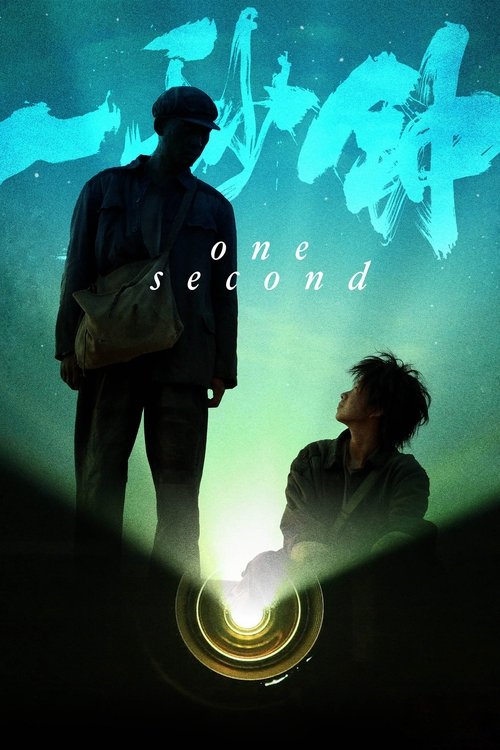
One Second
A movie fan escapes from a labour camp during the Chinese Cultural Revolution and strikes up a relationship with a homeless female vagabond.
Despite its limited budget of $1.3M, One Second became a runaway success, earning $10.8M worldwide—a remarkable 763% return. The film's unconventional structure found its audience, confirming that strong storytelling can transcend budget limitations.
30 wins & 34 nominations
Plot Structure
Story beats plotted across runtime


Narrative Arc
Emotional journey through the story's key moments
Story Circle
Blueprint 15-beat structure
Arcplot Score Breakdown
Weighted: Precision (70%) + Arc (15%) + Theme (15%)
One Second (2020) exhibits meticulously timed narrative architecture, characteristic of Zhang Yimou's storytelling approach. This structural analysis examines how the film's 15-point plot structure maps to proven narrative frameworks across 1 hour and 44 minutes. With an Arcplot score of 6.7, the film balances conventional beats with creative variation.
Structural Analysis
The Status Quo at 1 minutes (1% through the runtime) establishes Zhang Jiusheng trudges alone through the vast Gobi Desert, a solitary figure against endless sand dunes, establishing his isolation as an escaped labor camp prisoner with nothing but desperate determination.. Significantly, this early placement immediately immerses viewers in the story world.
The inciting incident occurs at 12 minutes when Zhang witnesses a young orphan girl named Liu stealing the precious film reel from the transport vehicle - the very reel containing his daughter's image - forcing him to pursue her across the desert.. At 12% through the film, this Disruption aligns precisely with traditional story structure. This beat shifts the emotional landscape, launching the protagonist into the central conflict.
The First Threshold at 26 minutes marks the transition into Act II, occurring at 25% of the runtime. This shows the protagonist's commitment to Zhang chooses to conceal his identity and stay in the village for the screening rather than flee, committing himself to the community's ritual in hopes of seeing his daughter's one second of footage., moving from reaction to action.
At 52 minutes, the Midpoint arrives at 50% of the runtime—precisely centered, creating perfect narrative symmetry. Significantly, this crucial beat The film screening begins and the entire village watches in rapturous wonder. Zhang waits with agonizing anticipation for the newsreel - a false victory as he believes he's about to finally see his daughter after years of separation., fundamentally raising what's at risk. The emotional intensity shifts, dividing the narrative into clear before-and-after phases.
The Collapse moment at 78 minutes (75% through) represents the emotional nadir. Here, Zhang is captured by security forces. He never got to see his daughter's image. Worse, he learns that his daughter has died - the one second of film was all that remained of her, and now even that memory is lost to him forever., shows the protagonist at their lowest point. This beat's placement in the final quarter sets up the climactic reversal.
The Second Threshold at 83 minutes initiates the final act resolution at 80% of the runtime. Zhang realizes that Liu - this orphan girl society has rejected - needs a father figure just as his daughter needed him. His paternal love, denied to his own child, can still have meaning through protecting Liu., demonstrating the transformation achieved throughout the journey.
Emotional Journey
One Second's emotional architecture traces a deliberate progression across 15 carefully calibrated beats.
Narrative Framework
This structural analysis employs proven narrative structure principles that track dramatic progression. By mapping One Second against these established plot points, we can identify how Zhang Yimou utilizes or subverts traditional narrative conventions. The plot point approach reveals not only adherence to structural principles but also creative choices that distinguish One Second within the drama genre.
Zhang Yimou's Structural Approach
Among the 11 Zhang Yimou films analyzed on Arcplot, the average structural score is 6.8, demonstrating varied approaches to story architecture. One Second takes a more unconventional approach compared to the director's typical style. For comparative analysis, explore the complete Zhang Yimou filmography.
Comparative Analysis
Additional drama films include After Thomas, South Pacific and Dirty Dancing: Havana Nights. For more Zhang Yimou analyses, see Full River Red, Cliff Walkers and The Flowers of War.
Plot Points by Act
Act I
SetupStatus Quo
Zhang Jiusheng trudges alone through the vast Gobi Desert, a solitary figure against endless sand dunes, establishing his isolation as an escaped labor camp prisoner with nothing but desperate determination.
Theme
A villager mentions how people travel great distances just to see the traveling movie, declaring that "film is everything out here" - establishing cinema as the only window to the outside world and human connection in this desolate era.
Worldbuilding
The harsh reality of Cultural Revolution China unfolds: Zhang's escape and singular obsession with seeing newsreel footage of his daughter, the desolate landscape, and the impoverished village community whose only joy is the rare traveling film screening.
Disruption
Zhang witnesses a young orphan girl named Liu stealing the precious film reel from the transport vehicle - the very reel containing his daughter's image - forcing him to pursue her across the desert.
Resistance
Zhang pursues Liu through the desert and into the village. He debates whether to expose her theft or cooperate. Mr. Movie, the projectionist, emerges as a community figure who guards the film with reverence, representing the power of cinema.
Act II
ConfrontationFirst Threshold
Zhang chooses to conceal his identity and stay in the village for the screening rather than flee, committing himself to the community's ritual in hopes of seeing his daughter's one second of footage.
Mirror World
Liu's backstory emerges - she's an orphan ostracized because her father was labeled a counter-revolutionary. Zhang recognizes a parallel to his own daughter's suffering, and an unexpected bond begins forming between them.
Premise
The village prepares for the screening with joyous anticipation. Zhang participates in the communal effort to clean and repair the damaged film reel - a loving, meticulous process that becomes a meditation on cinema's sacred power to unite people.
Midpoint
The film screening begins and the entire village watches in rapturous wonder. Zhang waits with agonizing anticipation for the newsreel - a false victory as he believes he's about to finally see his daughter after years of separation.
Opposition
The screening is interrupted. Security forces arrive searching for the escaped prisoner. Mr. Movie must protect both the film and the community. Zhang hides while Liu faces her own persecution from village bullies. The newsreel moment passes unseen.
Collapse
Zhang is captured by security forces. He never got to see his daughter's image. Worse, he learns that his daughter has died - the one second of film was all that remained of her, and now even that memory is lost to him forever.
Crisis
Zhang processes the devastating loss - his daughter is gone, his freedom is gone, his one desperate hope extinguished. Liu watches helplessly as he's taken away, mirroring her own abandonment and loss.
Act III
ResolutionSecond Threshold
Zhang realizes that Liu - this orphan girl society has rejected - needs a father figure just as his daughter needed him. His paternal love, denied to his own child, can still have meaning through protecting Liu.
Synthesis
Years pass. Zhang serves his sentence and is eventually released. He returns to the village seeking Liu, carrying the weight of lost years but also the hope of redemption through the surrogate family bond they formed.
Transformation
Zhang reunites with Liu, now grown. Where he once walked alone through the desert seeking a phantom image of his lost daughter, he now has a real human connection. The one second of film is gone, but the love it represented lives on.