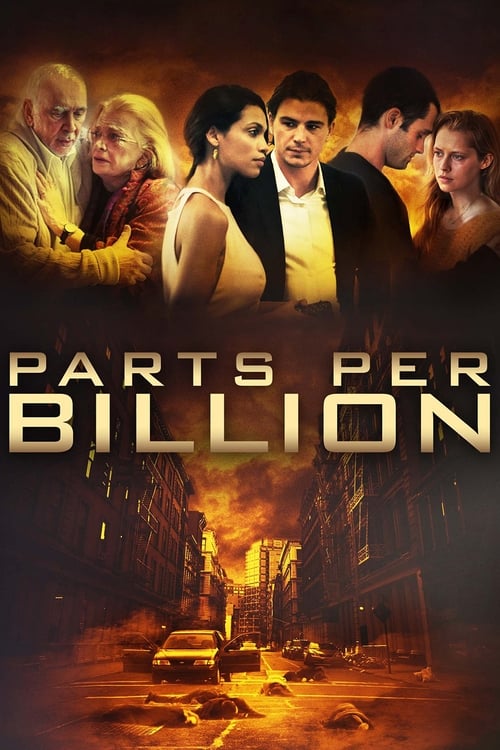
Parts Per Billion
The interwoven stories of three couples which are forced to make life-altering decisions in the face of a disastrous war. Inspired and sometimes blinded by their love, Len, Mia, Andy, Esther, Anna and Erik are as flawed and beautiful as any of the billions who are facing this human-made biological disaster.
Despite its small-scale budget of $1.3M, Parts Per Billion became a box office phenomenon, earning $15.0M worldwide—a remarkable 1054% return. The film's unconventional structure attracted moviegoers, confirming that strong storytelling can transcend budget limitations.


Plot Structure
Story beats plotted across runtime


Narrative Arc
Emotional journey through the story's key moments
Story Circle
Blueprint 15-beat structure
Arcplot Score Breakdown
Weighted: Precision (70%) + Arc (15%) + Theme (15%)
Parts Per Billion (2014) exemplifies carefully calibrated story structure, characteristic of Brian Horiuchi's storytelling approach. This structural analysis examines how the film's 15-point plot structure maps to proven narrative frameworks across 1 hour and 38 minutes. With an Arcplot score of 7.0, the film balances conventional beats with creative variation.
Characters
Cast & narrative archetypes

Esther
Len
Anna
Erik
Mia
Andy
Main Cast & Characters
Esther
Played by Gena Rowlands
An elderly woman reflecting on her long marriage to Len as the world faces its end, representing enduring love and acceptance of mortality.
Len
Played by Frank Langella
Esther's devoted husband of many decades, a man who has spent his life building a loving partnership and now faces their final chapter together.
Anna
Played by Teresa Palmer
A young woman engaged to Erik, struggling with doubts about their relationship and her own desires as the crisis unfolds.
Erik
Played by Penn Badgley
Anna's fiance, an idealistic young man deeply in love who must confront the fragility of their future together.
Mia
Played by Rosario Dawson
A woman in a troubled marriage with Andy, dealing with unresolved conflicts and the weight of their shared history as time runs out.
Andy
Played by Josh Hartnett
Mia's husband, a man whose career ambitions and personal failings have strained their marriage to the breaking point.
Structural Analysis
The Status Quo at 1 minutes (1% through the runtime) establishes Three couples in different time periods are introduced: Erik and Anna facing relationship strain, Len and Mia dealing with secrets, and Andy and Roz confronting mortality. Each pair exists in their ordinary world before crisis.. The analysis reveals that this early placement immediately immerses viewers in the story world.
The inciting incident occurs at 12 minutes when News breaks of a global biological catastrophe - a deadly airborne contamination is spreading worldwide. The threat of human extinction enters all three timelines, disrupting their personal dramas with existential crisis.. At 13% through the film, this Disruption is delayed, allowing extended setup of the story world. This beat shifts the emotional landscape, launching the protagonist into the central conflict.
The First Threshold at 25 minutes marks the transition into Act II, occurring at 25% of the runtime. This reveals the protagonist's commitment to Each couple makes a choice to face the apocalypse together rather than apart. They commit to their relationships even as the world collapses, entering a new reality where love must exist alongside terror., moving from reaction to action.
At 49 minutes, the Midpoint arrives at 50% of the runtime—precisely centered, creating perfect narrative symmetry. Of particular interest, this crucial beat The contamination reaches critical levels. Communication systems fail. The couples realize there is no escape, no rescue coming. This is truly the end, raising the stakes to absolute finality., fundamentally raising what's at risk. The emotional intensity shifts, dividing the narrative into clear before-and-after phases.
The Collapse moment at 74 minutes (75% through) represents the emotional nadir. Here, The contamination becomes visible and immediate. People are dying. The couples face the literal whiff of death as the biological agent closes in. Hope for survival dies completely., demonstrates the protagonist at their lowest point. This beat's placement in the final quarter sets up the climactic reversal.
The Second Threshold at 79 minutes initiates the final act resolution at 81% of the runtime. Each couple reaches a moment of clarity: love itself is the answer, not survival. They choose connection and forgiveness over fear and recrimination, finding peace in their final moments together., demonstrating the transformation achieved throughout the journey.
Emotional Journey
Parts Per Billion's emotional architecture traces a deliberate progression across 15 carefully calibrated beats.
Narrative Framework
This structural analysis employs proven narrative structure principles that track dramatic progression. By mapping Parts Per Billion against these established plot points, we can identify how Brian Horiuchi utilizes or subverts traditional narrative conventions. The plot point approach reveals not only adherence to structural principles but also creative choices that distinguish Parts Per Billion within the science fiction genre.
Comparative Analysis
Additional science fiction films include The Postman, Mad Max 2 and AVP: Alien vs. Predator.
Plot Points by Act
Act I
SetupStatus Quo
Three couples in different time periods are introduced: Erik and Anna facing relationship strain, Len and Mia dealing with secrets, and Andy and Roz confronting mortality. Each pair exists in their ordinary world before crisis.
Theme
A character speaks about the fragility of human connection and how people don't realize what they have until it's too late, establishing the film's exploration of love under existential threat.
Worldbuilding
The three timelines are established with their respective conflicts: Erik and Anna's marriage problems, Len and Mia's pregnancy and relationship issues, and Andy and Roz dealing with terminal illness. The world feels normal but strained.
Disruption
News breaks of a global biological catastrophe - a deadly airborne contamination is spreading worldwide. The threat of human extinction enters all three timelines, disrupting their personal dramas with existential crisis.
Resistance
The couples debate how to respond to the crisis. Should they flee? Stay together? Separate? Each pair struggles with whether their relationship matters in the face of potential annihilation.
Act II
ConfrontationFirst Threshold
Each couple makes a choice to face the apocalypse together rather than apart. They commit to their relationships even as the world collapses, entering a new reality where love must exist alongside terror.
Mirror World
The relationships themselves become the mirror world - each couple's dynamic reflects different aspects of connection under pressure. They must learn what truly matters when everything else is stripped away.
Premise
The couples navigate intimacy and conflict while the world ends around them. Tender moments clash with fear and anger. They explore what it means to love someone when tomorrow may not come.
Midpoint
The contamination reaches critical levels. Communication systems fail. The couples realize there is no escape, no rescue coming. This is truly the end, raising the stakes to absolute finality.
Opposition
As death approaches, old resentments and fears surface. The pressure intensifies conflicts within each relationship. Love is tested by desperation, regret, and the psychological weight of impending doom.
Collapse
The contamination becomes visible and immediate. People are dying. The couples face the literal whiff of death as the biological agent closes in. Hope for survival dies completely.
Crisis
In their darkest moments, the couples confront their failures and regrets. They sit with the knowledge that this is the end, processing grief for themselves, each other, and humanity.
Act III
ResolutionSecond Threshold
Each couple reaches a moment of clarity: love itself is the answer, not survival. They choose connection and forgiveness over fear and recrimination, finding peace in their final moments together.
Synthesis
The couples spend their final hours in intimate acceptance. They forgive, confess, hold each other. The end comes, but they face it unified, having transformed fear into grace and isolation into connection.
Transformation
The closing images mirror the opening but transformed: where there was distance and conflict, there is now intimacy and peace. Love proved meaningful even - especially - at the end of everything.