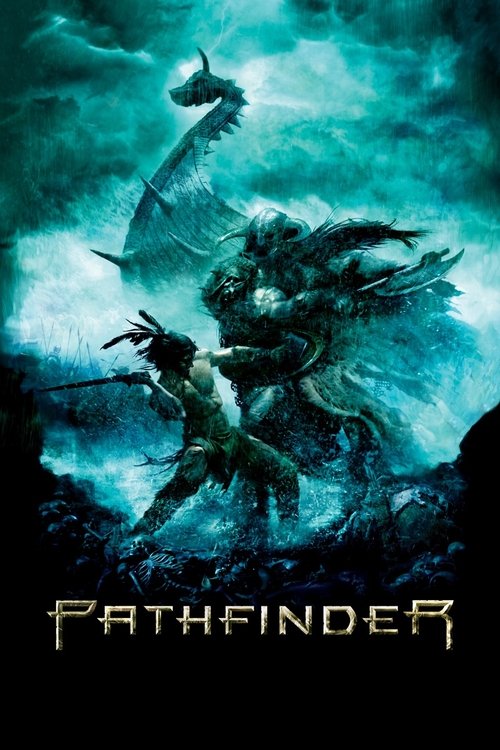
Pathfinder
A Viking boy is left behind after his clan battles a Native American tribe. Raised within the tribe, he ultimately becomes their savior in a fight against the Norsemen.
The film underperformed commercially against its mid-range budget of $45.0M, earning $30.8M globally (-32% loss). While initial box office returns were modest, the film has gained appreciation for its distinctive approach within the adventure genre.


Plot Structure
Story beats plotted across runtime


Narrative Arc
Emotional journey through the story's key moments
Story Circle
Blueprint 15-beat structure
Arcplot Score Breakdown
Weighted: Precision (70%) + Arc (15%) + Theme (15%)
Pathfinder (2007) demonstrates strategically placed narrative design, characteristic of Marcus Nispel's storytelling approach. This structural analysis examines how the film's 15-point plot structure maps to proven narrative frameworks across 1 hour and 39 minutes. With an Arcplot score of 6.8, the film balances conventional beats with creative variation.
Characters
Cast & narrative archetypes

Ghost
Starfire
Pathfinder
Gunnar
Ulfar
Ghost's Father
Blackwing
Main Cast & Characters
Ghost
Played by Karl Urban
A Viking child abandoned in North America and raised by the Wampanoag tribe, who must confront his violent heritage when Vikings return to slaughter his adopted people.
Starfire
Played by Moon Bloodgood
A young Wampanoag woman and love interest to Ghost, representing his connection to his adopted culture and people.
Pathfinder
Played by Russell Means
The wise elder and spiritual leader of the Wampanoag tribe who helps guide Ghost and gives him his purpose.
Gunnar
Played by Clancy Brown
The ruthless and brutal leader of the Viking raiders, embodying savage violence and representing Ghost's rejected heritage.
Ulfar
Played by Ralf Moeller
A fierce Viking warrior and Gunnar's lieutenant, relentless in his pursuit of Ghost and the Native Americans.
Ghost's Father
Played by Nathaniel Arcand
Ghost's biological Viking father who abandons him as a child after a failed raid, setting Ghost's journey in motion.
Blackwing
Played by Jay Tavare
A skilled Wampanoag warrior who initially distrusts Ghost but comes to respect him through shared combat.
Structural Analysis
The Status Quo at 1 minutes (1% through the runtime) establishes Young Norse boy discovered as sole survivor of Viking massacre by Native American tribe. Establishes Ghost's liminal identity between two worlds.. Significantly, this early placement immediately immerses viewers in the story world.
The inciting incident occurs at 12 minutes when Vikings return to the shores, led by the brutal Gunnar. Ghost witnesses their dragon-prowed ships and realizes his birth people have come to slaughter his adopted family.. At 12% through the film, this Disruption aligns precisely with traditional story structure. This beat shifts the emotional landscape, launching the protagonist into the central conflict.
The First Threshold at 25 minutes marks the transition into Act II, occurring at 25% of the runtime. This illustrates the protagonist's commitment to Ghost actively chooses to reject his Viking heritage and fight for the tribe. He escapes captivity and commits to becoming the pathfinder who will lead Vikings to their doom., moving from reaction to action.
At 49 minutes, the Midpoint arrives at 49% of the runtime—precisely centered, creating perfect narrative symmetry. Of particular interest, this crucial beat Ghost's plan to mislead the Vikings partially succeeds, but Gunnar proves more formidable than expected. Vikings capture some of Ghost's people. Stakes raised—false victory becomes real danger., fundamentally raising what's at risk. The emotional intensity shifts, dividing the narrative into clear before-and-after phases.
The Collapse moment at 73 minutes (73% through) represents the emotional nadir. Here, Pathfinder elder/mentor figure is killed by Vikings. Ghost is wounded, nearly broken. The whiff of death—both literal death of his guide and symbolic death of his hope., shows the protagonist at their lowest point. This beat's placement in the final quarter sets up the climactic reversal.
The Second Threshold at 79 minutes initiates the final act resolution at 80% of the runtime. Ghost synthesizes both identities—Viking warrior knowledge and Native spiritual connection to land. Realizes he can lead Vikings into mountain trap. Finds resolve for final stand., demonstrating the transformation achieved throughout the journey.
Emotional Journey
Pathfinder's emotional architecture traces a deliberate progression across 15 carefully calibrated beats.
Narrative Framework
This structural analysis employs a 15-point narrative structure framework that maps key story moments. By mapping Pathfinder against these established plot points, we can identify how Marcus Nispel utilizes or subverts traditional narrative conventions. The plot point approach reveals not only adherence to structural principles but also creative choices that distinguish Pathfinder within the adventure genre.
Marcus Nispel's Structural Approach
Among the 4 Marcus Nispel films analyzed on Arcplot, the average structural score is 7.3, reflecting strong command of classical structure. Pathfinder takes a more unconventional approach compared to the director's typical style. For comparative analysis, explore the complete Marcus Nispel filmography.
Comparative Analysis
Additional adventure films include The Black Stallion, The Bad Guys and Puss in Boots. For more Marcus Nispel analyses, see Friday the 13th, Conan the Barbarian and The Texas Chainsaw Massacre.
Plot Points by Act
Act I
SetupStatus Quo
Young Norse boy discovered as sole survivor of Viking massacre by Native American tribe. Establishes Ghost's liminal identity between two worlds.
Theme
Pathfinder elder tells Ghost: "A man must choose his own path." Theme of identity, belonging, and choosing which world to fight for is introduced.
Worldbuilding
Ghost's life with the tribe is established. His outsider status despite years with them, his connection to Starfire, his skills as a hunter, and the peaceful existence of the village.
Disruption
Vikings return to the shores, led by the brutal Gunnar. Ghost witnesses their dragon-prowed ships and realizes his birth people have come to slaughter his adopted family.
Resistance
Ghost debates whether to flee or fight. Village is attacked and destroyed. Ghost is captured by Vikings who recognize his Norse features and try to recruit him to their side.
Act II
ConfrontationFirst Threshold
Ghost actively chooses to reject his Viking heritage and fight for the tribe. He escapes captivity and commits to becoming the pathfinder who will lead Vikings to their doom.
Mirror World
Ghost reunites with Starfire and surviving tribe members. Their relationship deepens as she represents acceptance of his dual identity and the life he's chosen to protect.
Premise
Ghost uses his knowledge of Viking tactics and Native terrain to fight back. Guerrilla warfare, setting traps, picking off raiders. The premise of insider-turned-defender plays out.
Midpoint
Ghost's plan to mislead the Vikings partially succeeds, but Gunnar proves more formidable than expected. Vikings capture some of Ghost's people. Stakes raised—false victory becomes real danger.
Opposition
Vikings close in relentlessly. Ghost and survivors are hunted through increasingly hostile terrain. His tactics work but they're outnumbered. Gunnar becomes obsessed with killing Ghost.
Collapse
Pathfinder elder/mentor figure is killed by Vikings. Ghost is wounded, nearly broken. The whiff of death—both literal death of his guide and symbolic death of his hope.
Crisis
Ghost faces his darkest moment alone in the wilderness. Questions whether he can save anyone. Processes grief and loss while Vikings prepare final assault.
Act III
ResolutionSecond Threshold
Ghost synthesizes both identities—Viking warrior knowledge and Native spiritual connection to land. Realizes he can lead Vikings into mountain trap. Finds resolve for final stand.
Synthesis
Final battle in the mountains. Ghost uses terrain, weather, and Viking overconfidence against them. Confronts Gunnar. Epic finale combining both warrior traditions to defeat the invasion.
Transformation
Ghost stands with his tribe, fully accepted and self-accepted. No longer torn between worlds—he has forged his own path. The boy caught between cultures becomes the man who chose his family.