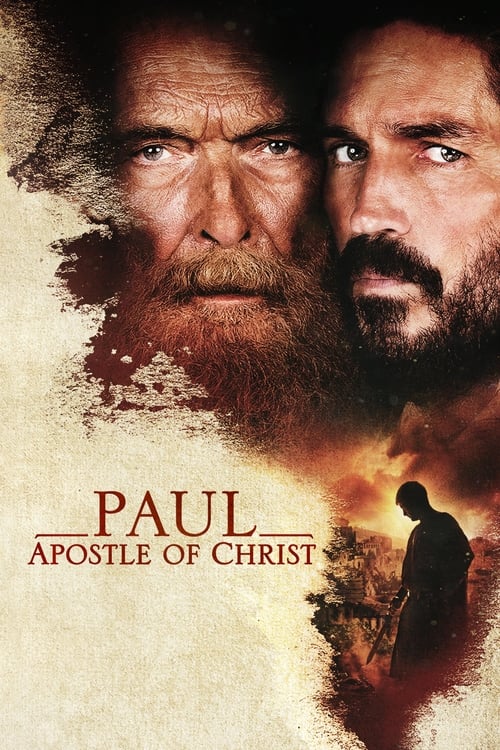
Paul, Apostle of Christ
Risking his life, Luke ventures to Rome to visit Paul -- the apostle who's bound in chains and held captive in Nero's darkest and bleakest prison cell. Haunted by the shadows of his past misdeeds, Paul wonders if he's been forgotten as he awaits his grisly execution. Before Paul's death, Luke resolves to write another book that details the birth of what will come to be known as the church.
Despite its limited budget of $5.0M, Paul, Apostle of Christ became a solid performer, earning $25.9M worldwide—a 418% return. The film's compelling narrative resonated with audiences, proving that strong storytelling can transcend budget limitations.







Plot Structure
Story beats plotted across runtime


Narrative Arc
Emotional journey through the story's key moments
Story Circle
Blueprint 15-beat structure
Arcplot Score Breakdown
Weighted: Precision (70%) + Arc (15%) + Theme (15%)
Paul, Apostle of Christ (2018) showcases meticulously timed dramatic framework, characteristic of Andrew Hyatt's storytelling approach. This structural analysis examines how the film's 12-point plot structure maps to proven narrative frameworks across 1 hour and 48 minutes. With an Arcplot score of 6.8, the film balances conventional beats with creative variation.
Structural Analysis
The Status Quo at 1 minutes (1% through the runtime) establishes Rome burns under Nero's persecution. Christians are hunted, tortured, and executed in the streets. Luke witnesses the brutality as he enters the city, establishing the world of fear and suffering.. Significantly, this early placement immediately immerses viewers in the story world.
The inciting incident occurs at 13 minutes when Luke learns that Paul is imprisoned and sentenced to death. The prefect Mauritius grants Luke access to visit Paul in prison, but the window for recording Paul's story is limited. The clock starts ticking.. At 12% through the film, this Disruption aligns precisely with traditional story structure. This beat shifts the emotional landscape, launching the protagonist into the central conflict.
At 55 minutes, the Midpoint arrives at 51% of the runtime—precisely centered, creating perfect narrative symmetry. Structural examination shows that this crucial beat The Christian community is betrayed. Roman soldiers raid their meeting place, arresting several believers including key members. The safe haven is compromised. The stakes escalate—staying in Rome now means certain capture and death. False defeat: the mission seems impossible., fundamentally raising what's at risk. The emotional intensity shifts, dividing the narrative into clear before-and-after phases.
The Collapse moment at 81 minutes (75% through) represents the emotional nadir. Here, Paul is taken for execution. Luke believes he has lost his mentor and friend forever. Mauritius's daughter dies despite Priscilla's prayers and care. The whiff of death is literal—hope seems extinguished for both the Christian mission and Mauritius's personal redemption., indicates the protagonist at their lowest point. This beat's placement in the final quarter sets up the climactic reversal.
The Synthesis at 87 minutes initiates the final act resolution at 80% of the runtime. Paul faces execution with peace and courage, his final act witnessing to his executioners. Luke completes the manuscript of Acts. Mauritius allows Luke and the community to escape Rome, defying his orders. The Christians choose to carry Paul's message forward despite persecution. Love proves stronger than fear., demonstrating the transformation achieved throughout the journey.
Emotional Journey
Paul, Apostle of Christ's emotional architecture traces a deliberate progression across 12 carefully calibrated beats.
Narrative Framework
This structural analysis employs a 15-point narrative structure framework that maps key story moments. By mapping Paul, Apostle of Christ against these established plot points, we can identify how Andrew Hyatt utilizes or subverts traditional narrative conventions. The plot point approach reveals not only adherence to structural principles but also creative choices that distinguish Paul, Apostle of Christ within the drama genre.
Comparative Analysis
Additional drama films include Eye for an Eye, South Pacific and Kiss of the Spider Woman.
Plot Points by Act
Act I
SetupStatus Quo
Rome burns under Nero's persecution. Christians are hunted, tortured, and executed in the streets. Luke witnesses the brutality as he enters the city, establishing the world of fear and suffering.
Theme
Aquila tells Luke that Paul believes "love is the only way" even in the face of hatred and violence. This statement encapsulates the film's central question: can love triumph over violence and vengeance?
Worldbuilding
Luke integrates into the underground Christian community led by Aquila and Priscilla. We see the Christian community debating whether to flee Rome or stay and fight. Paul sits imprisoned in the Mamertine dungeon, awaiting execution. The stakes are established: physical survival versus spiritual faithfulness.
Disruption
Luke learns that Paul is imprisoned and sentenced to death. The prefect Mauritius grants Luke access to visit Paul in prison, but the window for recording Paul's story is limited. The clock starts ticking.
Resistance
Luke debates with Aquila and the Christian community about whether documenting Paul's testimony is worth the risk. Luke prepares to enter the prison, bribing guards and gathering writing materials. Mauritius struggles with his own conscience as his daughter is dying.
Act II
ConfrontationMirror World
Mauritius and his dying daughter become the thematic mirror. Mauritius represents Rome's law and power, yet faces powerlessness as a father. His journey parallels the theme: will he choose love and faith, or remain bound by duty and violence?
Premise
Luke records Paul's testimony. Through flashbacks, we witness Paul's persecution of Christians and dramatic conversion on the road to Damascus. The promise of the premise: Paul's transformation from persecutor to apostle. Meanwhile, the Christian community debates fleeing versus staying, and Mauritius questions his loyalties.
Midpoint
The Christian community is betrayed. Roman soldiers raid their meeting place, arresting several believers including key members. The safe haven is compromised. The stakes escalate—staying in Rome now means certain capture and death. False defeat: the mission seems impossible.
Opposition
Pressure intensifies on all fronts. More Christians are arrested and executed. Aquila and Priscilla debate fleeing. Luke's visits to Paul become more dangerous as Mauritius faces pressure from his superiors. Paul's health deteriorates. The community fractures between those who want to fight back and those who follow Paul's teaching of love.
Collapse
Paul is taken for execution. Luke believes he has lost his mentor and friend forever. Mauritius's daughter dies despite Priscilla's prayers and care. The whiff of death is literal—hope seems extinguished for both the Christian mission and Mauritius's personal redemption.
Crisis
Luke and the community process their grief and despair. They face the darkness: has their faith been in vain? Mauritius mourns his daughter in isolation. Both Luke and Mauritius wrestle with whether love truly conquers death, or if violence and power are the only reality.
Act III
ResolutionSynthesis
Paul faces execution with peace and courage, his final act witnessing to his executioners. Luke completes the manuscript of Acts. Mauritius allows Luke and the community to escape Rome, defying his orders. The Christians choose to carry Paul's message forward despite persecution. Love proves stronger than fear.