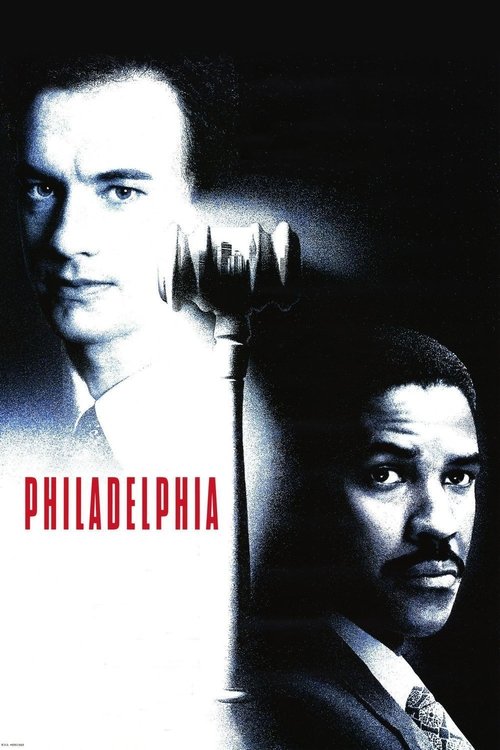
Philadelphia
Two competing lawyers join forces to sue a prestigious law firm for AIDS discrimination. As their unlikely friendship develops their courage overcomes the prejudice and corruption of their powerful adversaries.
Despite a mid-range budget of $26.0M, Philadelphia became a massive hit, earning $206.7M worldwide—a remarkable 695% return.
2 Oscars. 20 wins & 23 nominations


Plot Structure
Story beats plotted across runtime


Narrative Arc
Emotional journey through the story's key moments
Story Circle
Blueprint 15-beat structure
Arcplot Score Breakdown
Weighted: Precision (70%) + Arc (15%) + Theme (15%)
Philadelphia (1993) demonstrates carefully calibrated story structure, characteristic of Jonathan Demme's storytelling approach. This structural analysis examines how the film's 15-point plot structure maps to proven narrative frameworks across 2 hours and 6 minutes. With an Arcplot score of 7.1, the film balances conventional beats with creative variation.
Characters
Cast & narrative archetypes

Andrew Beckett
Joe Miller
Miguel Alvarez
Charles Wheeler
Belinda Conine
Sarah Beckett
Main Cast & Characters
Andrew Beckett
Played by Tom Hanks
A talented Philadelphia lawyer who is fired from his prestigious firm after they discover he has AIDS, and fights back with a wrongful termination lawsuit.
Joe Miller
Played by Denzel Washington
A homophobic personal injury lawyer who reluctantly agrees to represent Andrew Beckett in his discrimination case, undergoing a transformation in his views.
Miguel Alvarez
Played by Antonio Banderas
Andrew's devoted partner who stands by him through his illness and legal battle, providing unwavering emotional support.
Charles Wheeler
Played by Jason Robards
The senior partner at Wyant Wheeler who orchestrates Andrew's firing and leads the defense, representing institutional discrimination.
Belinda Conine
Played by Mary Steenburgen
The sharp defense attorney representing Wyant Wheeler who aggressively cross-examines Andrew and attempts to undermine his case.
Sarah Beckett
Played by Joanne Woodward
Andrew's loving and supportive mother who accepts her son unconditionally and remains a pillar of strength throughout his ordeal.
Structural Analysis
The Status Quo at 2 minutes (2% through the runtime) establishes Andrew Beckett, a successful attorney at a prestigious Philadelphia law firm, is shown at the height of his career, working on an important case. He appears confident and accomplished in his professional world.. Structural examination shows that this early placement immediately immerses viewers in the story world.
The inciting incident occurs at 14 minutes when Andrew is fired from the firm ostensibly for incompetence (a missing complaint), but the timing coincides with partners noticing his KS lesion. His carefully maintained world collapses as his disease becomes visible.. At 11% through the film, this Disruption aligns precisely with traditional story structure. This beat shifts the emotional landscape, launching the protagonist into the central conflict.
The First Threshold at 31 minutes marks the transition into Act II, occurring at 25% of the runtime. This illustrates the protagonist's commitment to Joe Miller witnesses Andrew being discriminated against in the law library and has a change of heart. He agrees to take Andrew's case, making the active choice to enter this fight despite his own prejudices and fears., moving from reaction to action.
At 64 minutes, the Midpoint arrives at 51% of the runtime—precisely centered, creating perfect narrative symmetry. Notably, this crucial beat Andrew testifies powerfully about his love for the law and plays an opera aria, explaining its meaning about bringing light to those in darkness. This moment of emotional connection with the jury appears to turn the tide - a false victory as the defense will strike back hard., fundamentally raising what's at risk. The emotional intensity shifts, dividing the narrative into clear before-and-after phases.
The Collapse moment at 94 minutes (75% through) represents the emotional nadir. Here, Andrew collapses and is hospitalized. His physical deterioration is severe, and it becomes clear he is dying. The whiff of death is literal - Andrew will not survive to see the verdict's impact on the world he fought to change., shows the protagonist at their lowest point. This beat's placement in the final quarter sets up the climactic reversal.
The Second Threshold at 103 minutes initiates the final act resolution at 82% of the runtime. The jury returns a verdict in Andrew's favor, awarding substantial damages. The synthesis of Andrew's courage and Joe's advocacy achieves legal victory. The system acknowledges the injustice, even as Andrew lies dying., demonstrating the transformation achieved throughout the journey.
Emotional Journey
Philadelphia's emotional architecture traces a deliberate progression across 15 carefully calibrated beats.
Narrative Framework
This structural analysis employs structural analysis methodology used to understand storytelling architecture. By mapping Philadelphia against these established plot points, we can identify how Jonathan Demme utilizes or subverts traditional narrative conventions. The plot point approach reveals not only adherence to structural principles but also creative choices that distinguish Philadelphia within the drama genre.
Jonathan Demme's Structural Approach
Among the 8 Jonathan Demme films analyzed on Arcplot, the average structural score is 6.8, demonstrating varied approaches to story architecture. Philadelphia represents one of the director's most structurally precise works. For comparative analysis, explore the complete Jonathan Demme filmography.
Comparative Analysis
Additional drama films include After Thomas, South Pacific and Dirty Dancing: Havana Nights. For more Jonathan Demme analyses, see Rachel Getting Married, The Manchurian Candidate and Married to the Mob.
Plot Points by Act
Act I
SetupStatus Quo
Andrew Beckett, a successful attorney at a prestigious Philadelphia law firm, is shown at the height of his career, working on an important case. He appears confident and accomplished in his professional world.
Theme
Senior partner Charles Wheeler states: "We're counting on you" - establishing themes of trust, belonging, and the fragility of professional acceptance that will be tested when Andrew's identity is revealed.
Worldbuilding
Introduction to Andrew's world: his position at the firm, his relationship with partner Miguel, his expertise. We see him hiding KS lesions (Kaposi's sarcoma) and the dual life he leads - successful lawyer by day, AIDS patient in secret.
Disruption
Andrew is fired from the firm ostensibly for incompetence (a missing complaint), but the timing coincides with partners noticing his KS lesion. His carefully maintained world collapses as his disease becomes visible.
Resistance
Andrew seeks legal representation but faces rejection from every lawyer, including Joe Miller, a homophobic personal injury attorney. Andrew researches discrimination law in the library and decides to fight back despite widespread prejudice.
Act II
ConfrontationFirst Threshold
Joe Miller witnesses Andrew being discriminated against in the law library and has a change of heart. He agrees to take Andrew's case, making the active choice to enter this fight despite his own prejudices and fears.
Mirror World
Introduction to the deepening relationship between Joe and Andrew. Joe meets Andrew's partner Miguel and sees Andrew's humanity beyond his illness. This relationship will teach Joe what he needs to learn about compassion and justice.
Premise
The promise of the premise: a courtroom drama about discrimination. Preparation for trial, depositions, jury selection, and opening arguments. Joe and Andrew build their case while confronting widespread fear and prejudice about AIDS.
Midpoint
Andrew testifies powerfully about his love for the law and plays an opera aria, explaining its meaning about bringing light to those in darkness. This moment of emotional connection with the jury appears to turn the tide - a false victory as the defense will strike back hard.
Opposition
The defense attacks aggressively, cross-examining Andrew about his sexual history and attempting to paint him as reckless. Andrew's health visibly deteriorates during the trial. The firm's lawyers gain ground by exploiting prejudice and fear.
Collapse
Andrew collapses and is hospitalized. His physical deterioration is severe, and it becomes clear he is dying. The whiff of death is literal - Andrew will not survive to see the verdict's impact on the world he fought to change.
Crisis
Andrew in the hospital, saying goodbye to loved ones. Joe visits and they share a profound moment of connection. Andrew prepares for death while the jury deliberates, finding peace with Miguel and his family.
Act III
ResolutionSecond Threshold
The jury returns a verdict in Andrew's favor, awarding substantial damages. The synthesis of Andrew's courage and Joe's advocacy achieves legal victory. The system acknowledges the injustice, even as Andrew lies dying.
Synthesis
Andrew dies surrounded by family. The victory is bittersweet - justice achieved but at tremendous personal cost. Joe and the community process the loss and the precedent set. The finale resolves both the legal battle and Andrew's personal journey.
Transformation
At Andrew's memorial reception, Joe - transformed from a prejudiced lawyer into a compassionate advocate - watches home videos of young Andrew with his family. The final image shows Andrew as a child, innocent and full of life, representing the humanity that fear and prejudice tried to erase but ultimately could not destroy.