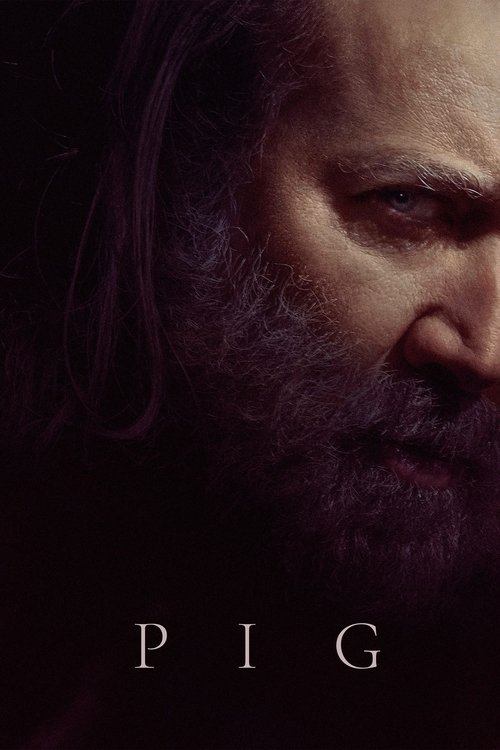
Pig
A truffle hunter who lives alone in the Oregon wilderness must visit Portland to find the mysterious person who stole his beloved foraging pig.
Working with a tight budget of $3.0M, the film achieved a modest success with $4.6M in global revenue (+55% profit margin).
38 wins & 75 nominations


Plot Structure
Story beats plotted across runtime


Narrative Arc
Emotional journey through the story's key moments
Story Circle
Blueprint 15-beat structure
Arcplot Score Breakdown
Weighted: Precision (70%) + Arc (15%) + Theme (15%)
Pig (2021) exemplifies deliberately positioned plot construction, characteristic of Michael Sarnoski's storytelling approach. This structural analysis examines how the film's 15-point plot structure maps to proven narrative frameworks across 1 hour and 32 minutes. With an Arcplot score of 7.4, the film balances conventional beats with creative variation.
Characters
Cast & narrative archetypes

Robin Feld
Amir
Darius
Finway
Main Cast & Characters
Robin Feld
Played by Nicolas Cage
A reclusive former celebrity chef living in the Oregon wilderness who embarks on a quest to recover his stolen truffle-hunting pig, confronting his buried past and grief along the way.
Amir
Played by Alex Wolff
A young truffle supplier and aspiring businessman who becomes Robin's reluctant companion, hiding his own emotional wounds beneath a veneer of superficial success.
Darius
Played by Adam Arkin
Amir's wealthy and emotionally abusive father, a powerful figure in Portland's food industry who has a complex history with Robin.
Finway
Played by David Knell
The chef and owner of Eurydice, a high-end Portland restaurant, who once worked under Robin and abandoned his true culinary dreams for commercial success.
Structural Analysis
The Status Quo at 1 minutes (1% through the runtime) establishes Rob lives in isolation in the Oregon wilderness with his truffle-hunting pig, foraging and selling his finds to Amir. He is withdrawn from the world, living in quiet solitude.. Significantly, this early placement immediately immerses viewers in the story world.
The inciting incident occurs at 11 minutes when Rob is attacked in the night and his pig is stolen. He wakes bloodied and alone, his only companion gone.. At 12% through the film, this Disruption aligns precisely with traditional story structure. This beat shifts the emotional landscape, launching the protagonist into the central conflict.
The First Threshold at 24 minutes marks the transition into Act II, occurring at 26% of the runtime. This indicates the protagonist's commitment to Rob makes the active choice to enter Portland's underground food world, a place he abandoned years ago. He crosses into his past life to search for the pig., moving from reaction to action.
At 46 minutes, the Midpoint arrives at 50% of the runtime—precisely centered, creating perfect narrative symmetry. Structural examination shows that this crucial beat Rob cooks a deeply personal meal for a critic who gave up his dreams, forcing the man to confront his own inauthenticity. The stakes clarify: this isn't just about the pig—it's about what we sacrifice to survive., fundamentally raising what's at risk. The emotional intensity shifts, dividing the narrative into clear before-and-after phases.
The Collapse moment at 69 minutes (75% through) represents the emotional nadir. Here, Darius reveals the pig is dead. Rob's quest ends in loss—a symbolic death mirroring the loss of his wife years earlier that drove him into isolation., illustrates the protagonist at their lowest point. This beat's placement in the final quarter sets up the climactic reversal.
The Second Threshold at 74 minutes initiates the final act resolution at 80% of the runtime. Rob realizes the search was never about the pig—it was about reconnecting with humanity and grief. He chooses to cook one final meal for Darius, demonstrating authentic connection over revenge., demonstrating the transformation achieved throughout the journey.
Emotional Journey
Pig's emotional architecture traces a deliberate progression across 15 carefully calibrated beats.
Narrative Framework
This structural analysis employs systematic plot point analysis that identifies crucial turning points. By mapping Pig against these established plot points, we can identify how Michael Sarnoski utilizes or subverts traditional narrative conventions. The plot point approach reveals not only adherence to structural principles but also creative choices that distinguish Pig within the drama genre.
Michael Sarnoski's Structural Approach
Among the 2 Michael Sarnoski films analyzed on Arcplot, the average structural score is 7.1, reflecting strong command of classical structure. Pig represents one of the director's most structurally precise works. For comparative analysis, explore the complete Michael Sarnoski filmography.
Comparative Analysis
Additional drama films include After Thomas, South Pacific and Dirty Dancing: Havana Nights. For more Michael Sarnoski analyses, see A Quiet Place: Day One.
Plot Points by Act
Act I
SetupStatus Quo
Rob lives in isolation in the Oregon wilderness with his truffle-hunting pig, foraging and selling his finds to Amir. He is withdrawn from the world, living in quiet solitude.
Theme
Amir mentions his father's restaurant empire and the pretense of the Portland food scene, hinting at the film's central question: what is real versus what is performed?
Worldbuilding
Establishment of Rob's hermit existence, his relationship with his pig, Amir's weekly truffle pickups, and glimpses of Rob's past life as a renowned chef.
Disruption
Rob is attacked in the night and his pig is stolen. He wakes bloodied and alone, his only companion gone.
Resistance
Rob reluctantly enlists Amir to help find the pig. He resists returning to Portland and his former life, but realizes he has no choice.
Act II
ConfrontationFirst Threshold
Rob makes the active choice to enter Portland's underground food world, a place he abandoned years ago. He crosses into his past life to search for the pig.
Mirror World
Rob and Amir's relationship deepens as they navigate the search together. Amir represents the inauthentic world Rob rejected, but their partnership reveals mutual humanity.
Premise
Rob confronts the pretentious Portland food scene he left behind. He attends an underground fight club for restaurant workers and interrogates a chef about authenticity, exposing the hollowness of culinary ambition.
Midpoint
Rob cooks a deeply personal meal for a critic who gave up his dreams, forcing the man to confront his own inauthenticity. The stakes clarify: this isn't just about the pig—it's about what we sacrifice to survive.
Opposition
Rob traces the pig to Amir's father, Darius, a powerful restaurant mogul. The search intensifies as Rob realizes the theft connects to his past and the compromises others have made.
Collapse
Darius reveals the pig is dead. Rob's quest ends in loss—a symbolic death mirroring the loss of his wife years earlier that drove him into isolation.
Crisis
Rob processes the loss in darkness. He sits with Darius and shares the pain of grief, revealing the backstory of his wife's death and his withdrawal from the world.
Act III
ResolutionSecond Threshold
Rob realizes the search was never about the pig—it was about reconnecting with humanity and grief. He chooses to cook one final meal for Darius, demonstrating authentic connection over revenge.
Synthesis
Rob prepares a simple doughnut dish that Darius once made with his deceased mother—a meal stripped of pretense. The act breaks Darius emotionally, revealing the human beneath the empire. Rob returns to his cabin.
Transformation
Rob returns to his cabin alone, without the pig. He listens to a tape of his late wife. Unlike the opening, he is no longer hiding from grief—he has accepted loss and reconnection as part of life.