Pompeii
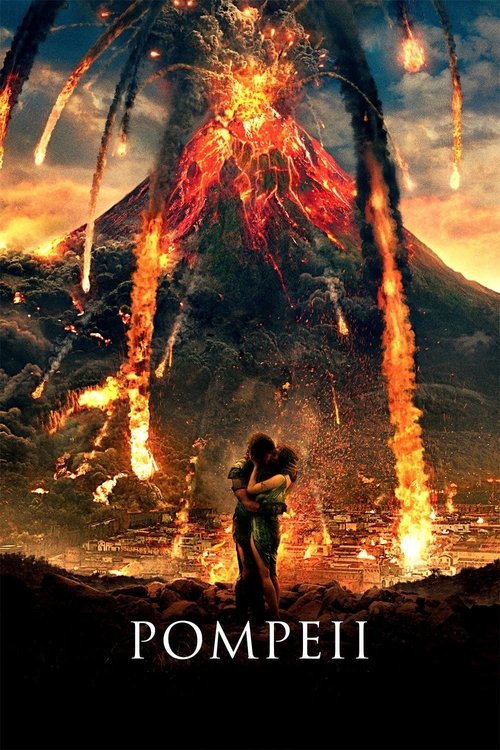
In 79 A.D., Milo, a slave turned gladiator, finds himself in a race against time to save his true love Cassia, the beautiful daughter of a wealthy merchant who has been unwillingly betrothed to a corrupt Roman Senator. As Mount Vesuvius erupts in a torrent of blazing lava, Milo must fight his way out of the arena in order to save his beloved as the once magnificent Pompeii crumbles around him.
Working with a considerable budget of $100.0M, the film achieved a steady performer with $117.8M in global revenue (+18% profit margin).
9 wins & 4 nominations


Plot Structure
Story beats plotted across runtime


Narrative Arc
Emotional journey through the story's key moments
Story Circle
Blueprint 15-beat structure
Arcplot Score Breakdown
Weighted: Precision (70%) + Arc (15%) + Theme (15%)
Pompeii (2014) showcases carefully calibrated dramatic framework, characteristic of Paul W. S. Anderson's storytelling approach. This structural analysis examines how the film's 15-point plot structure maps to proven narrative frameworks across 1 hour and 45 minutes. With an Arcplot score of 7.6, the film showcases strong structural fundamentals.
Characters
Cast & narrative archetypes

Milo
Cassia
Senator Corvus
Atticus
Aurelia
Severus
Proculus
Graecus
Main Cast & Characters
Milo
Played by Kit Harington
A Celtic slave turned gladiator who witnessed the massacre of his tribe by Romans as a child and seeks revenge while falling in love with a noblewoman.
Cassia
Played by Emily Browning
The beautiful daughter of a wealthy Pompeii merchant who falls for the gladiator Milo and resists an unwanted Roman suitor.
Senator Corvus
Played by Kiefer Sutherland
A ruthless and ambitious Roman senator who massacred Milo's tribe and now pursues Cassia while threatening her family.
Atticus
Played by Adewale Akinnuoye-Agbaje
A champion African gladiator one victory away from freedom who becomes Milo's friend and ally in the arena.
Aurelia
Played by Carrie-Anne Moss
Cassia's loving mother and wife of Severus who supports her daughter's resistance to Corvus.
Severus
Played by Jared Harris
Cassia's father and a wealthy Pompeii merchant who seeks Roman investment for the city but finds himself at Corvus's mercy.
Proculus
Played by Sasha Roiz
Corvus's brutal military commander who carried out the massacre of Milo's tribe and serves as his enforcer.
Graecus
Played by Joe Pingue
The cunning owner of the gladiator school in Pompeii who trades in fighters for profit.
Structural Analysis
The Status Quo at 1 minutes (1% through the runtime) establishes Young Milo watches helplessly as Roman soldiers massacre his Celtic tribe and family, establishing his world of enslavement and powerlessness.. Structural examination shows that this early placement immediately immerses viewers in the story world.
The inciting incident occurs at 13 minutes when Milo and Cassia meet when he mercifully ends her injured horse's suffering, creating an immediate connection that disrupts both their planned paths.. At 12% through the film, this Disruption aligns precisely with traditional story structure. This beat shifts the emotional landscape, launching the protagonist into the central conflict.
The First Threshold at 27 minutes marks the transition into Act II, occurring at 26% of the runtime. This indicates the protagonist's commitment to Milo enters the Pompeii arena for his first gladiatorial combat, actively choosing to fight for glory and recognition rather than merely survive as a slave., moving from reaction to action.
At 53 minutes, the Midpoint arrives at 50% of the runtime—precisely centered, creating perfect narrative symmetry. Significantly, this crucial beat Milo recognizes Corvus as the Roman commander who slaughtered his family. His personal vendetta collides with the present, raising stakes. Corvus announces his plan to marry Cassia, making her unattainable., fundamentally raising what's at risk. The emotional intensity shifts, dividing the narrative into clear before-and-after phases.
The Collapse moment at 79 minutes (76% through) represents the emotional nadir. Here, Mount Vesuvius erupts in full catastrophic force, destroying Pompeii in fire and ash. The arena collapses. This is the literal "whiff of death" as thousands perish and all previous goals become meaningless., shows the protagonist at their lowest point. This beat's placement in the final quarter sets up the climactic reversal.
The Second Threshold at 85 minutes initiates the final act resolution at 81% of the runtime. Milo chooses love over revenge, abandoning his pursuit of Corvus to rescue Cassia instead. He synthesizes his warrior skills with his newfound understanding that love matters more than vengeance., demonstrating the transformation achieved throughout the journey.
Emotional Journey
Pompeii's emotional architecture traces a deliberate progression across 15 carefully calibrated beats.
Narrative Framework
This structural analysis employs structural analysis methodology used to understand storytelling architecture. By mapping Pompeii against these established plot points, we can identify how Paul W. S. Anderson utilizes or subverts traditional narrative conventions. The plot point approach reveals not only adherence to structural principles but also creative choices that distinguish Pompeii within the action genre.
Paul W. S. Anderson's Structural Approach
Among the 10 Paul W. S. Anderson films analyzed on Arcplot, the average structural score is 7.2, reflecting strong command of classical structure. Pompeii represents one of the director's most structurally precise works. For comparative analysis, explore the complete Paul W. S. Anderson filmography.
Comparative Analysis
Additional action films include The Bad Guys, Puss in Boots and Venom: The Last Dance. For more Paul W. S. Anderson analyses, see AVP: Alien vs. Predator, Mortal Kombat and Monster Hunter.
Plot Points by Act
Act I
SetupStatus Quo
Young Milo watches helplessly as Roman soldiers massacre his Celtic tribe and family, establishing his world of enslavement and powerlessness.
Theme
A character mentions that "the gods decide who lives and dies," introducing the theme of fate versus free will in the shadow of impending doom.
Worldbuilding
Milo has become a legendary gladiator known as "The Celt," sold and transported to Pompeii. Cassia returns from Rome to her wealthy family, rejecting Senator Corvus's advances. The city bustles beneath Vesuvius.
Disruption
Milo and Cassia meet when he mercifully ends her injured horse's suffering, creating an immediate connection that disrupts both their planned paths.
Resistance
Milo arrives in Pompeii and befriends Atticus, a gladiator one fight away from freedom. Senator Corvus arrives to pursue Cassia and fund the arena. Milo debates his path between survival and revenge.
Act II
ConfrontationFirst Threshold
Milo enters the Pompeii arena for his first gladiatorial combat, actively choosing to fight for glory and recognition rather than merely survive as a slave.
Mirror World
Cassia and Milo share a meaningful connection across their class divide, with Cassia representing the free life and love Milo could never have, embodying the theme of defying fate.
Premise
Milo and Atticus fight together in spectacular arena battles, earning crowd favor. Their bond grows while Milo pursues secret meetings with Cassia, defying the social order. Corvus tightens his political grip on the city.
Midpoint
Milo recognizes Corvus as the Roman commander who slaughtered his family. His personal vendetta collides with the present, raising stakes. Corvus announces his plan to marry Cassia, making her unattainable.
Opposition
Corvus forces Cassia's father to agree to marriage. Milo and Atticus are sentenced to execution in the arena. Vesuvius begins showing signs of eruption. All forces close in against the protagonists.
Collapse
Mount Vesuvius erupts in full catastrophic force, destroying Pompeii in fire and ash. The arena collapses. This is the literal "whiff of death" as thousands perish and all previous goals become meaningless.
Crisis
Amid the apocalypse, Milo processes that revenge and status mean nothing. Atticus sacrifices himself to save Milo. The dark realization: they cannot escape death, only choose how to face it.
Act III
ResolutionSecond Threshold
Milo chooses love over revenge, abandoning his pursuit of Corvus to rescue Cassia instead. He synthesizes his warrior skills with his newfound understanding that love matters more than vengeance.
Synthesis
Milo fights through the destruction to save Cassia from Corvus. Final confrontation where Milo defeats Corvus. The lovers attempt to escape the city on horseback as pyroclastic flow approaches.
Transformation
Milo and Cassia, unable to outrun death, choose to face it together in an embrace. They are forever frozen in volcanic ash, transformed from slave and noblewoman into eternal equals united in love.