Radio
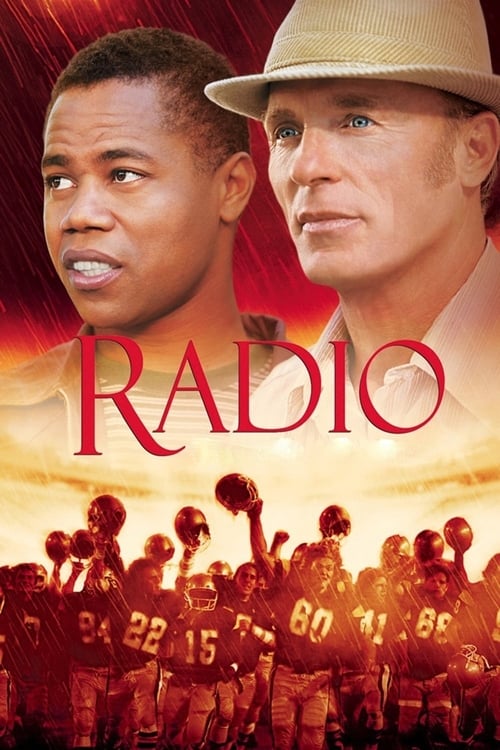
In the racially divided town of Anderson, South Carolina in 1976, football coach Harold Jones spots a mentally disabled African-American young man nicknamed Radio near his practice field and is inspired to befriend him. Soon, Radio is Jones' loyal assistant, and he becomes a student at T.L. Hanna High School. But things start to sour when Coach Jones begins taking guff from parents and fans who feel that his devotion to Radio is getting in the way of the team's quest for a championship.
Working with a moderate budget of $35.0M, the film achieved a steady performer with $53.3M in global revenue (+52% profit margin).
3 wins & 5 nominations


Plot Structure
Story beats plotted across runtime


Narrative Arc
Emotional journey through the story's key moments
Story Circle
Blueprint 15-beat structure
Arcplot Score Breakdown
Weighted: Precision (70%) + Arc (15%) + Theme (15%)
Radio (2003) reveals precise story structure, characteristic of Michael Tollin's storytelling approach. This structural analysis examines how the film's 15-point plot structure maps to proven narrative frameworks across 1 hour and 49 minutes. With an Arcplot score of 6.9, the film balances conventional beats with creative variation.
Structural Analysis
The Status Quo at 1 minutes (1% through the runtime) establishes Opening image of Radio pushing his shopping cart through Anderson, South Carolina in 1976. Coach Jones drives by, focused on football. Two separate worlds established: the successful coach and the isolated mentally disabled man.. Structural examination shows that this early placement immediately immerses viewers in the story world.
The inciting incident occurs at 12 minutes when The football players cruelly lock Radio in the equipment shed as a prank. Coach Jones discovers Radio terrified and traumatized inside. This incident forces Jones to confront the cruelty toward Radio and the moral failure happening in his program.. At 11% through the film, this Disruption aligns precisely with traditional story structure. This beat shifts the emotional landscape, launching the protagonist into the central conflict.
The First Threshold at 27 minutes marks the transition into Act II, occurring at 25% of the runtime. This reveals the protagonist's commitment to Coach Jones makes the active choice to fully embrace Radio as part of the football program, giving him a team jacket and official role. Radio accepts and puts on the jacket, crossing into a new world of belonging. This is Jones' irreversible commitment., moving from reaction to action.
At 55 minutes, the Midpoint arrives at 50% of the runtime—precisely centered, creating perfect narrative symmetry. Structural examination shows that this crucial beat False victory: The football team wins a major game, and Radio is celebrated as a key part of the team's success. The town seems to have accepted Radio. However, tension builds as some parents and boosters begin to complain that Coach Jones is too distracted by Radio and neglecting football. Stakes raise., fundamentally raising what's at risk. The emotional intensity shifts, dividing the narrative into clear before-and-after phases.
The Collapse moment at 80 minutes (74% through) represents the emotional nadir. Here, At the climactic school board meeting, the community attacks Radio and demands his removal. Radio's mother dies suddenly (whiff of death - literal loss). Radio is devastated and withdraws completely. Coach Jones faces losing both Radio and his job. Everything Jones built seems to collapse., demonstrates the protagonist at their lowest point. This beat's placement in the final quarter sets up the climactic reversal.
The Second Threshold at 87 minutes initiates the final act resolution at 80% of the runtime. Synthesis moment: Coach Jones stands before the school board and community, combining his leadership skills with the moral clarity Radio taught him. He delivers an impassioned speech defending Radio's right to belong, willing to sacrifice his career. The community has a change of heart., demonstrating the transformation achieved throughout the journey.
Emotional Journey
Radio's emotional architecture traces a deliberate progression across 15 carefully calibrated beats.
Narrative Framework
This structural analysis employs proven narrative structure principles that track dramatic progression. By mapping Radio against these established plot points, we can identify how Michael Tollin utilizes or subverts traditional narrative conventions. The plot point approach reveals not only adherence to structural principles but also creative choices that distinguish Radio within the drama genre.
Michael Tollin's Structural Approach
Among the 2 Michael Tollin films analyzed on Arcplot, the average structural score is 7.1, reflecting strong command of classical structure. Radio takes a more unconventional approach compared to the director's typical style. For comparative analysis, explore the complete Michael Tollin filmography.
Comparative Analysis
Additional drama films include After Thomas, South Pacific and Dirty Dancing: Havana Nights. For more Michael Tollin analyses, see Summer Catch.
Plot Points by Act
Act I
SetupStatus Quo
Opening image of Radio pushing his shopping cart through Anderson, South Carolina in 1976. Coach Jones drives by, focused on football. Two separate worlds established: the successful coach and the isolated mentally disabled man.
Theme
Principal Daniels or a community member mentions that "everyone deserves a chance" or Coach Jones' daughter asks about helping people who are different, establishing the film's central question about inclusion and human dignity.
Worldbuilding
Setup of 1976 small-town South Carolina. Coach Jones is established as a dedicated football coach with a loving family. Radio is shown as a lonely figure who loves radios and music, wandering the town. The football team practices. Radio watches from outside the fence, fascinated but excluded.
Disruption
The football players cruelly lock Radio in the equipment shed as a prank. Coach Jones discovers Radio terrified and traumatized inside. This incident forces Jones to confront the cruelty toward Radio and the moral failure happening in his program.
Resistance
Coach Jones debates how to respond. He visits Radio's mother to apologize. He invites Radio to help with the team. Jones faces resistance from assistant coaches and some parents who question this decision. Radio is uncertain and afraid, but slowly begins to trust Jones.
Act II
ConfrontationFirst Threshold
Coach Jones makes the active choice to fully embrace Radio as part of the football program, giving him a team jacket and official role. Radio accepts and puts on the jacket, crossing into a new world of belonging. This is Jones' irreversible commitment.
Mirror World
Radio begins to flourish with the team and in school. The relationship between Jones and Radio deepens - Radio teaches Jones about unconditional joy and acceptance, while Jones provides Radio with dignity and purpose. This relationship carries the thematic heart of the film.
Premise
The promise of the premise: watching Radio transform and integrate into the community. He becomes a beloved fixture at school, helps with multiple sports teams, and brings joy to students. The football team rallies around him. Coach Jones' family embraces Radio. Small victories accumulate.
Midpoint
False victory: The football team wins a major game, and Radio is celebrated as a key part of the team's success. The town seems to have accepted Radio. However, tension builds as some parents and boosters begin to complain that Coach Jones is too distracted by Radio and neglecting football. Stakes raise.
Opposition
Pressure intensifies from multiple fronts. A parent-led faction demands Jones focus on winning, not charity work. Radio makes innocent mistakes that are misinterpreted. A girl falsely accuses Radio of harassment. The school board calls a meeting to discuss removing Radio from school. Jones' job is threatened.
Collapse
At the climactic school board meeting, the community attacks Radio and demands his removal. Radio's mother dies suddenly (whiff of death - literal loss). Radio is devastated and withdraws completely. Coach Jones faces losing both Radio and his job. Everything Jones built seems to collapse.
Crisis
Dark night of the soul. Coach Jones must decide what matters most - his career security or doing what's right. Radio grieves his mother alone. Jones realizes that Radio has given him more than he's given Radio - a lesson in what truly matters in life beyond wins and losses.
Act III
ResolutionSecond Threshold
Synthesis moment: Coach Jones stands before the school board and community, combining his leadership skills with the moral clarity Radio taught him. He delivers an impassioned speech defending Radio's right to belong, willing to sacrifice his career. The community has a change of heart.
Synthesis
The finale: The community votes to keep Radio in school. Radio is embraced by the town. Coach Jones continues coaching with renewed perspective. Time passes (epilogue cards reveal) showing Radio remained a beloved part of the community for decades, outliving Coach Jones and continuing to inspire.
Transformation
Final image mirrors the opening: Radio walks through town with his cart, but now everyone greets him with love and respect. He is no longer isolated but integrated, celebrated, and cherished. The town has been transformed by embracing him, proving the theme that inclusion enriches everyone.