Richard Jewell
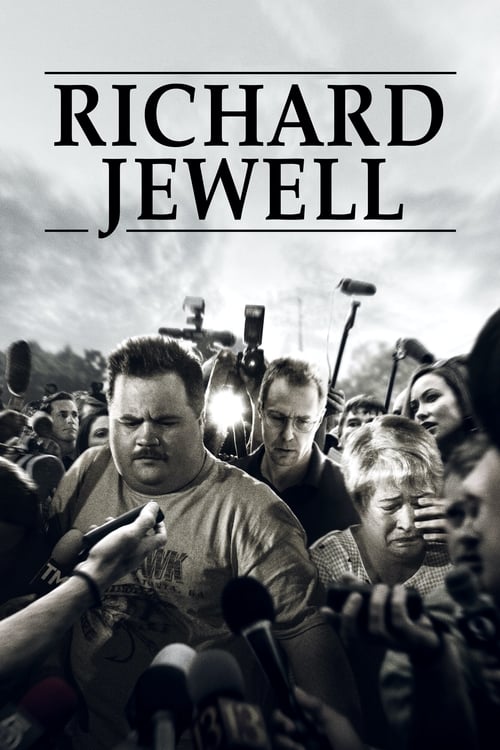
Richard Jewell thinks quick, works fast, and saves hundreds, perhaps thousands, of lives after a domestic terrorist plants several pipe bombs and they explode during a concert, only to be falsely suspected of the crime by sloppy FBI work and sensational media coverage.
The film disappointed at the box office against its moderate budget of $45.0M, earning $33.9M globally (-25% loss).
Nominated for 1 Oscar. 6 wins & 20 nominations


Plot Structure
Story beats plotted across runtime


Narrative Arc
Emotional journey through the story's key moments
Story Circle
Blueprint 15-beat structure
Arcplot Score Breakdown
Weighted: Precision (70%) + Arc (15%) + Theme (15%)
Richard Jewell (2019) exhibits meticulously timed plot construction, characteristic of Clint Eastwood's storytelling approach. This structural analysis examines how the film's 15-point plot structure maps to proven narrative frameworks across 2 hours and 11 minutes. With an Arcplot score of 6.9, the film balances conventional beats with creative variation.
Characters
Cast & narrative archetypes

Richard Jewell
Watson Bryant
Bobi Jewell
Tom Shaw
Kathy Scruggs
Dana Boente
Main Cast & Characters
Richard Jewell
Played by Paul Walter Hauser
A security guard wrongfully accused of the 1996 Atlanta Olympic bombing who fights to clear his name.
Watson Bryant
Played by Sam Rockwell
Richard's loyal defense attorney and longtime friend who stands by him through the FBI investigation.
Bobi Jewell
Played by Kathy Bates
Richard's devoted mother who supports her son unconditionally during his public ordeal.
Tom Shaw
Played by Jon Hamm
The lead FBI agent who pursues Richard as the primary suspect in the bombing investigation.
Kathy Scruggs
Played by Olivia Wilde
An aggressive Atlanta Journal-Constitution reporter who breaks the story identifying Richard as a suspect.
Dana Boente
Played by Ian Gomez
FBI supervisor overseeing the Olympic bombing investigation and Richard's interrogation.
Structural Analysis
The Status Quo at 1 minutes (1% through the runtime) establishes Richard works as a supply clerk at a law firm, delivering mail and supplies. He's eager to please, offering snacks to attorney Watson Bryant, establishing his desire for approval and his overzealous nature.. Structural examination shows that this early placement immediately immerses viewers in the story world.
The inciting incident occurs at 15 minutes when Richard gets hired as security for the 1996 Atlanta Olympics at Centennial Park. This is his chance to be the hero he's always wanted to be—a positive disruption offering opportunity.. At 12% through the film, this Disruption aligns precisely with traditional story structure. This beat shifts the emotional landscape, launching the protagonist into the central conflict.
The First Threshold at 31 minutes marks the transition into Act II, occurring at 24% of the runtime. This reveals the protagonist's commitment to Richard discovers a suspicious backpack containing a bomb in Centennial Park. He makes the active choice to report it and help evacuate people, entering the world of hero-turned-suspect. The bomb explodes, killing two and injuring many., moving from reaction to action.
At 64 minutes, the Midpoint arrives at 49% of the runtime—precisely centered, creating perfect narrative symmetry. Of particular interest, this crucial beat FBI agents conduct an aggressive interview with Richard, attempting to get him to waive his rights and confess. Richard, still trusting authority, nearly signs away his protection. This is a false defeat—he doesn't realize the danger he's in. Stakes raise dramatically., fundamentally raising what's at risk. The emotional intensity shifts, dividing the narrative into clear before-and-after phases.
The Collapse moment at 97 minutes (74% through) represents the emotional nadir. Here, Bobbi (Richard's mother) suffers a stress-induced medical crisis and collapses. This is the "whiff of death"—Richard realizes his desire to be a hero has endangered the person he loves most. He breaks down, feeling utterly defeated., shows the protagonist at their lowest point. This beat's placement in the final quarter sets up the climactic reversal.
The Second Threshold at 104 minutes initiates the final act resolution at 79% of the runtime. Richard decides to hold a press conference. He synthesizes Watson's fighting spirit with his own integrity, choosing to speak his truth publicly. He realizes he doesn't need external validation—he knows who he is., demonstrating the transformation achieved throughout the journey.
Emotional Journey
Richard Jewell's emotional architecture traces a deliberate progression across 15 carefully calibrated beats.
Narrative Framework
This structural analysis employs a 15-point narrative structure framework that maps key story moments. By mapping Richard Jewell against these established plot points, we can identify how Clint Eastwood utilizes or subverts traditional narrative conventions. The plot point approach reveals not only adherence to structural principles but also creative choices that distinguish Richard Jewell within the drama genre.
Clint Eastwood's Structural Approach
Among the 32 Clint Eastwood films analyzed on Arcplot, the average structural score is 6.5, demonstrating varied approaches to story architecture. Richard Jewell represents one of the director's most structurally precise works. For comparative analysis, explore the complete Clint Eastwood filmography.
Comparative Analysis
Additional drama films include After Thomas, South Pacific and Dirty Dancing: Havana Nights. For more Clint Eastwood analyses, see True Crime, Million Dollar Baby and The Gauntlet.
Plot Points by Act
Act I
SetupStatus Quo
Richard works as a supply clerk at a law firm, delivering mail and supplies. He's eager to please, offering snacks to attorney Watson Bryant, establishing his desire for approval and his overzealous nature.
Theme
Watson Bryant tells Richard, "You do your job, you don't deserve to be insulted." This plants the thematic seed about dignity, doing right, and not being judged unfairly—the core of Richard's journey.
Worldbuilding
Establishes Richard's pattern: security guard at Piedmont College where he oversteps authority, gets fired. Lives with his mother Bobbi. Dreams of being in law enforcement. Shows his knowledge of protocol but poor judgment of boundaries.
Disruption
Richard gets hired as security for the 1996 Atlanta Olympics at Centennial Park. This is his chance to be the hero he's always wanted to be—a positive disruption offering opportunity.
Resistance
Richard prepares for and begins his Olympic security duty. He takes the job seriously, perhaps too seriously. He bonds with other officers, patrols the park, and demonstrates both competence and overeagerness.
Act II
ConfrontationFirst Threshold
Richard discovers a suspicious backpack containing a bomb in Centennial Park. He makes the active choice to report it and help evacuate people, entering the world of hero-turned-suspect. The bomb explodes, killing two and injuring many.
Mirror World
Initial media praise—Richard is celebrated as a hero who saved lives. Interviews, recognition, and validation flood in. This moment represents what Richard wants but will soon learn isn't the true measure of worth.
Premise
The "hero phase" quickly turns sinister. FBI identifies Richard as fitting the "lone bomber" profile. Media, led by reporter Kathy Scruggs, publishes that Richard is a suspect. The premise explores: what happens when a hero becomes the villain in public perception?
Midpoint
FBI agents conduct an aggressive interview with Richard, attempting to get him to waive his rights and confess. Richard, still trusting authority, nearly signs away his protection. This is a false defeat—he doesn't realize the danger he's in. Stakes raise dramatically.
Opposition
The FBI and media circle intensify. Richard's apartment is searched on live TV. His mother is harassed. Watson Bryant fights the legal battle while Richard's reputation is destroyed. Every aspect of his life is scrutinized and twisted.
Collapse
Bobbi (Richard's mother) suffers a stress-induced medical crisis and collapses. This is the "whiff of death"—Richard realizes his desire to be a hero has endangered the person he loves most. He breaks down, feeling utterly defeated.
Crisis
Richard sits in darkness with his mother in the hospital. He processes the devastation: his dream destroyed, his mother hurt, his name ruined. Watson pushes him to fight back, but Richard must find the will within himself.
Act III
ResolutionSecond Threshold
Richard decides to hold a press conference. He synthesizes Watson's fighting spirit with his own integrity, choosing to speak his truth publicly. He realizes he doesn't need external validation—he knows who he is.
Synthesis
Richard delivers a powerful statement at the press conference. Watson confronts the FBI and media legally. The real bomber (Eric Rudolph) strikes again, vindicating Richard. The FBI formally clears Richard. Justice—slow but eventual—prevails.
Transformation
Final image: Richard in a new security job, doing his work with quiet dignity. Text reveals he continued in law enforcement and was vindicated. Unlike the opening where he sought approval, he now simply does his job with self-respect, transformed by ordeal.