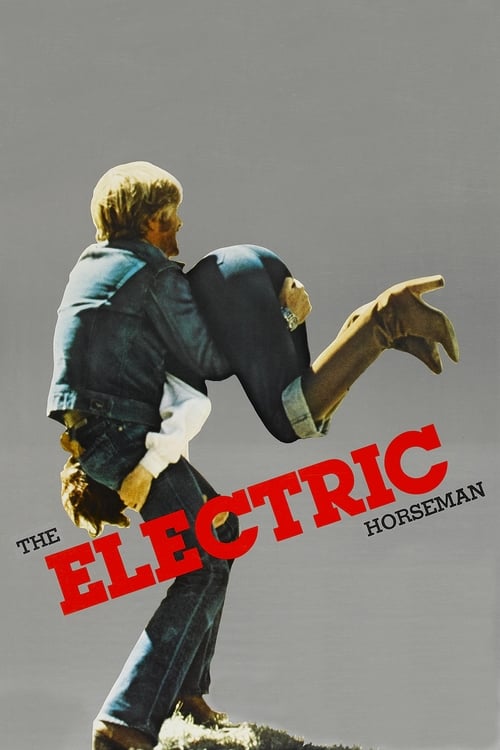
The Electric Horseman
A former champion rodeo rider is reduced to using his saddle skills to promote a breakfast cereal in a gaudy Las Vegas show. When he's asked to perform with a $12 million horse, he discovers it is being doped to remain docile. He flees into the desert astride the beast in an act of defiance. A story-hungry female reporter gives chase.
Despite its modest budget of $12.5M, The Electric Horseman became a solid performer, earning $61.8M worldwide—a 394% return. The film's distinctive approach connected with viewers, illustrating how strong storytelling can transcend budget limitations.
Nominated for 1 Oscar. 1 win & 1 nomination
Plot Structure
Story beats plotted across runtime


Narrative Arc
Emotional journey through the story's key moments
Story Circle
Blueprint 15-beat structure
Arcplot Score Breakdown
Weighted: Precision (70%) + Arc (15%) + Theme (15%)
The Electric Horseman (1979) reveals meticulously timed narrative design, characteristic of Sydney Pollack's storytelling approach. This structural analysis examines how the film's 15-point plot structure maps to proven narrative frameworks across 2 hours and 2 minutes. With an Arcplot score of 7.3, the film balances conventional beats with creative variation.
Characters
Cast & narrative archetypes

Sonny Steele
Hallie Martin
Charlotta Steele
Wendell Hickson
Main Cast & Characters
Sonny Steele
Played by Robert Redford
A former rodeo champion turned corporate shill who redeems himself by freeing a drugged racehorse from exploitation.
Hallie Martin
Played by Jane Fonda
A determined television reporter who pursues Sonny's story and ultimately joins his cause.
Charlotta Steele
Played by Valerie Perrine
Sonny's former wife and fellow rodeo performer who still cares for him despite their separation.
Wendell Hickson
Played by John Saxon
The ruthless corporate executive who exploits Sonny and the horse for commercial gain.
Structural Analysis
The Status Quo at 1 minutes (1% through the runtime) establishes Sonny Steele, a washed-up rodeo champion, appears in garish electric suit as corporate spokesman for Ranch Breakfast cereal, a degrading commercialization of his former glory.. The analysis reveals that this early placement immediately immerses viewers in the story world.
The inciting incident occurs at 12 minutes when Sonny discovers that Rising Star is being heavily drugged and mistreated by corporate handlers, sparking his moral awakening and outrage.. At 10% through the film, this Disruption aligns precisely with traditional story structure. This beat shifts the emotional landscape, launching the protagonist into the central conflict.
The First Threshold at 27 minutes marks the transition into Act II, occurring at 22% of the runtime. This shows the protagonist's commitment to During a live televised promotional event in Vegas, Sonny makes the active choice to steal Rising Star, riding the horse off stage and out of the casino into the night., moving from reaction to action.
At 62 minutes, the Midpoint arrives at 51% of the runtime—precisely centered, creating perfect narrative symmetry. Significantly, this crucial beat False victory: Sonny and Hallie reach temporary safety and share their plan to release the horse into the wild. They connect romantically, and freedom seems achievable. The stakes raise as media attention intensifies., fundamentally raising what's at risk. The emotional intensity shifts, dividing the narrative into clear before-and-after phases.
The Collapse moment at 89 minutes (73% through) represents the emotional nadir. Here, Law enforcement closes in. Sonny faces the reality that he may be captured before freeing Rising Star. The dream of escape appears impossible. Metaphorical death of his hope for redemption., indicates the protagonist at their lowest point. This beat's placement in the final quarter sets up the climactic reversal.
The Second Threshold at 96 minutes initiates the final act resolution at 79% of the runtime. Sonny synthesizes what Hallie taught him about integrity with his cowboy skills. He chooses authentic action over self-preservation, committing fully to freeing Rising Star regardless of personal cost., demonstrating the transformation achieved throughout the journey.
Emotional Journey
The Electric Horseman's emotional architecture traces a deliberate progression across 15 carefully calibrated beats.
Narrative Framework
This structural analysis employs a 15-point narrative structure framework that maps key story moments. By mapping The Electric Horseman against these established plot points, we can identify how Sydney Pollack utilizes or subverts traditional narrative conventions. The plot point approach reveals not only adherence to structural principles but also creative choices that distinguish The Electric Horseman within the drama genre.
Sydney Pollack's Structural Approach
Among the 13 Sydney Pollack films analyzed on Arcplot, the average structural score is 7.0, reflecting strong command of classical structure. The Electric Horseman represents one of the director's most structurally precise works. For comparative analysis, explore the complete Sydney Pollack filmography.
Comparative Analysis
Additional drama films include After Thomas, South Pacific and Dirty Dancing: Havana Nights. For more Sydney Pollack analyses, see Bobby Deerfield, Sabrina and Three Days of the Condor.
Plot Points by Act
Act I
SetupStatus Quo
Sonny Steele, a washed-up rodeo champion, appears in garish electric suit as corporate spokesman for Ranch Breakfast cereal, a degrading commercialization of his former glory.
Theme
Someone comments on how corporations exploit everything, turning authenticity into spectacle - "They'll package anything and sell it."
Worldbuilding
Establishment of Sonny's fallen state: alcoholic, doing promotional appearances in Vegas, bitter about his commodification. Introduction of Rising Star, the champion horse also being exploited by the corporation, drugged and mistreated for appearances.
Disruption
Sonny discovers that Rising Star is being heavily drugged and mistreated by corporate handlers, sparking his moral awakening and outrage.
Resistance
Sonny wrestles with his conscience, drinking heavily. He debates whether to confront the corporation or stay silent. The injustice to the horse mirrors his own exploitation.
Act II
ConfrontationFirst Threshold
During a live televised promotional event in Vegas, Sonny makes the active choice to steal Rising Star, riding the horse off stage and out of the casino into the night.
Mirror World
TV reporter Hallie Martin (Jane Fonda) tracks Sonny down, representing media cynicism vs. authentic values. Their relationship will explore the theme of integrity versus exploitation.
Premise
The "chase movie" the audience came for: Sonny and Rising Star on the run through the Western landscape, pursued by corporate goons and media. Hallie joins the journey. The promise of freedom and redemption plays out.
Midpoint
False victory: Sonny and Hallie reach temporary safety and share their plan to release the horse into the wild. They connect romantically, and freedom seems achievable. The stakes raise as media attention intensifies.
Opposition
The corporation escalates pursuit. FBI gets involved. Sonny's past contacts become unreliable. The physical journey becomes harder through rough terrain. Hallie must choose between her story and protecting Sonny.
Collapse
Law enforcement closes in. Sonny faces the reality that he may be captured before freeing Rising Star. The dream of escape appears impossible. Metaphorical death of his hope for redemption.
Crisis
Sonny's dark night: he must decide whether to surrender or make one final push for the horse's freedom, knowing it likely means his own capture and imprisonment.
Act III
ResolutionSecond Threshold
Sonny synthesizes what Hallie taught him about integrity with his cowboy skills. He chooses authentic action over self-preservation, committing fully to freeing Rising Star regardless of personal cost.
Synthesis
The finale: Sonny executes his plan to release Rising Star into wild terrain where the horse cannot be recaptured. He confronts the consequences, accepts responsibility, but achieves his moral goal.
Transformation
Closing image mirrors opening: Sonny in Western landscape, but now authentic rather than commercialized. Rising Star runs free in the wild. Sonny has reclaimed his integrity, transformed from corporate puppet to principled individual.