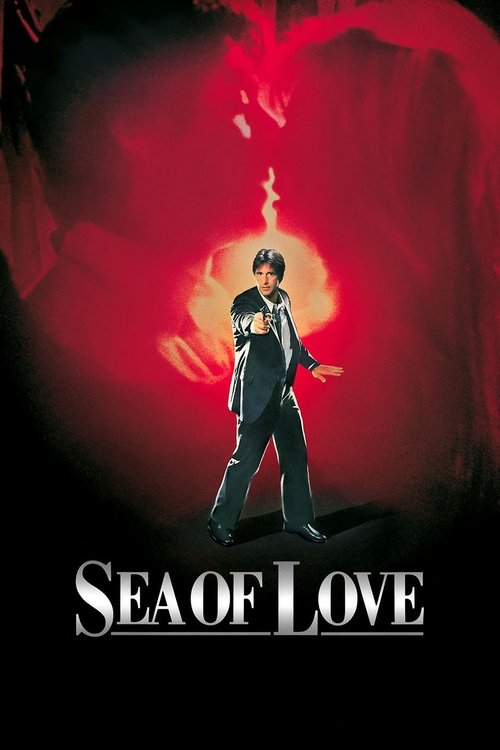
Sea of Love
Seen-it-all New York detective Frank Keller is unsettled - he has done twenty years on the force and could retire, and he hasn't come to terms with his wife leaving him for a colleague. Joining up with an officer from another part of town to investigate a series of murders linked by the lonely hearts columns he finds he is getting seriously and possibly dangerously involved with Helen, one of the main suspects.
Despite a moderate budget of $19.0M, Sea of Love became a financial success, earning $110.9M worldwide—a 484% return.


Plot Structure
Story beats plotted across runtime


Narrative Arc
Emotional journey through the story's key moments
Story Circle
Blueprint 15-beat structure
Arcplot Score Breakdown
Weighted: Precision (70%) + Arc (15%) + Theme (15%)
Sea of Love (1989) reveals carefully calibrated plot construction, characteristic of Harold Becker's storytelling approach. This structural analysis examines how the film's 15-point plot structure maps to proven narrative frameworks across 1 hour and 53 minutes. With an Arcplot score of 6.3, the film takes an unconventional approach to traditional narrative frameworks.
Characters
Cast & narrative archetypes

Frank Keller
Helen Cruger
Sherman Touhey
Terry
Frank Keller Sr.
Main Cast & Characters
Frank Keller
Played by Al Pacino
A burned-out NYPD detective investigating serial murders connected through personal ads, dealing with divorce and mounting personal crisis.
Helen Cruger
Played by Ellen Barkin
A mysterious and alluring shoe store owner who becomes romantically involved with Frank while being a potential murder suspect.
Sherman Touhey
Played by John Goodman
Frank's loyal partner and best friend, a fellow detective helping with the murder investigation while providing emotional support.
Terry
Played by Nancy Travis
Frank's ex-wife who has moved on with another man, representing the personal life Frank has lost.
Frank Keller Sr.
Played by William Hickey
Frank's elderly father, a former cop dealing with declining health, reminding Frank of mortality and legacy.
Structural Analysis
The Status Quo at 1 minutes (1% through the runtime) establishes Frank Keller, a weary 20-year NYPD detective, works a crime scene where a naked man lies murdered in bed with "Sea of Love" playing on repeat. Frank's exhaustion and isolation are immediately apparent—a man going through the motions.. Of particular interest, this early placement immediately immerses viewers in the story world.
The inciting incident occurs at 14 minutes when The second murder is confirmed as connected to the first, creating a serial killer case. Frank is pulled into the investigation with Detective Sherman Touhey from Queens, forcing him out of his comfortable isolation into an active hunt.. At 12% through the film, this Disruption aligns precisely with traditional story structure. This beat shifts the emotional landscape, launching the protagonist into the central conflict.
The First Threshold at 28 minutes marks the transition into Act II, occurring at 25% of the runtime. This illustrates the protagonist's commitment to Frank commits to the undercover operation, placing his own personal ad and agreeing to meet women in a restaurant while Sherman secretly fingerprints their glasses. Frank crosses from observer to participant, making himself vulnerable to find a killer., moving from reaction to action.
At 57 minutes, the Midpoint arrives at 50% of the runtime—precisely centered, creating perfect narrative symmetry. Structural examination shows that this crucial beat Frank discovers Helen's fingerprints match those found at one of the crime scenes. The woman he's fallen for is now the prime suspect. His personal and professional worlds collide—false defeat as his hope for genuine connection seems destroyed., fundamentally raising what's at risk. The emotional intensity shifts, dividing the narrative into clear before-and-after phases.
The Collapse moment at 85 minutes (75% through) represents the emotional nadir. Here, Helen discovers Frank is a cop who's been investigating her. She's devastated by his betrayal and ends the relationship. Frank has lost both the woman he loves and his best lead. His deception—the wall he built to protect himself—has destroyed everything., indicates the protagonist at their lowest point. This beat's placement in the final quarter sets up the climactic reversal.
The Second Threshold at 90 minutes initiates the final act resolution at 80% of the runtime. Frank realizes the killer is Helen's ex-husband Terry, who has been murdering men from personal ads out of jealous rage. Frank finally trusts his instincts and his feelings for Helen, racing to save her before Terry strikes again., demonstrating the transformation achieved throughout the journey.
Emotional Journey
Sea of Love's emotional architecture traces a deliberate progression across 15 carefully calibrated beats.
Narrative Framework
This structural analysis employs systematic plot point analysis that identifies crucial turning points. By mapping Sea of Love against these established plot points, we can identify how Harold Becker utilizes or subverts traditional narrative conventions. The plot point approach reveals not only adherence to structural principles but also creative choices that distinguish Sea of Love within the crime genre.
Harold Becker's Structural Approach
Among the 6 Harold Becker films analyzed on Arcplot, the average structural score is 7.0, demonstrating varied approaches to story architecture. Sea of Love takes a more unconventional approach compared to the director's typical style. For comparative analysis, explore the complete Harold Becker filmography.
Comparative Analysis
Additional crime films include The Bad Guys, Rustom and The Whole Ten Yards. For more Harold Becker analyses, see Malice, Domestic Disturbance and City Hall.
Plot Points by Act
Act I
SetupStatus Quo
Frank Keller, a weary 20-year NYPD detective, works a crime scene where a naked man lies murdered in bed with "Sea of Love" playing on repeat. Frank's exhaustion and isolation are immediately apparent—a man going through the motions.
Theme
Frank's partner Sherman discusses how the victim was found through a personal ad, remarking on the desperation of lonely people seeking connection: "You gotta be pretty desperate to advertise for love." This establishes the theme—the dangerous vulnerability of seeking intimacy.
Worldbuilding
Frank's world is established: his failed marriage (his ex-wife is now with his former partner), his alcoholism, his 20 years on the force, and his growing cynicism. A second murder connects to the first—same MO, same song, same personal ad magazine.
Disruption
The second murder is confirmed as connected to the first, creating a serial killer case. Frank is pulled into the investigation with Detective Sherman Touhey from Queens, forcing him out of his comfortable isolation into an active hunt.
Resistance
Frank and Sherman debate how to catch the killer. They devise an undercover operation: Frank will pose as a lonely man placing personal ads to meet the women who responded to the victims' ads. Frank resists—it means exposing his own loneliness—but ultimately agrees.
Act II
ConfrontationFirst Threshold
Frank commits to the undercover operation, placing his own personal ad and agreeing to meet women in a restaurant while Sherman secretly fingerprints their glasses. Frank crosses from observer to participant, making himself vulnerable to find a killer.
Mirror World
Helen Cruger walks into the restaurant for her "date" with Frank. Unlike the other women, she's confident, mysterious, and challenges him. Their instant chemistry introduces the romantic subplot that will test whether Frank can trust and love again.
Premise
Frank juggles the undercover operation with his growing attraction to Helen. He meets multiple women, collects fingerprints, but keeps returning to Helen. They begin a passionate affair while Frank conceals his true identity and his suspicion that she might be the killer.
Midpoint
Frank discovers Helen's fingerprints match those found at one of the crime scenes. The woman he's fallen for is now the prime suspect. His personal and professional worlds collide—false defeat as his hope for genuine connection seems destroyed.
Opposition
Frank continues the relationship while investigating Helen. He searches her apartment, questions her past, and discovers she has an ex-husband with a violent temper. Evidence mounts both for and against her guilt. Frank's judgment is compromised by his feelings.
Collapse
Helen discovers Frank is a cop who's been investigating her. She's devastated by his betrayal and ends the relationship. Frank has lost both the woman he loves and his best lead. His deception—the wall he built to protect himself—has destroyed everything.
Crisis
Frank spirals, drinking heavily and questioning everything. He reviews the evidence, realizing he may have been wrong about Helen. Sherman tries to help, but Frank must confront his inability to trust—the flaw that cost him his marriage and now Helen.
Act III
ResolutionSecond Threshold
Frank realizes the killer is Helen's ex-husband Terry, who has been murdering men from personal ads out of jealous rage. Frank finally trusts his instincts and his feelings for Helen, racing to save her before Terry strikes again.
Synthesis
Frank confronts Terry at Helen's apartment in a tense standoff. Terry, unhinged with jealousy, threatens Helen. Frank must use both his detective skills and his newfound emotional openness to defuse the situation and save Helen, ultimately shooting Terry.
Transformation
Frank and Helen reunite, both having been transformed by their ordeal. Frank, once isolated and unable to trust, has opened himself to love. The final image shows them together—Frank has found genuine connection by making himself vulnerable, the opposite of his guarded opening state.