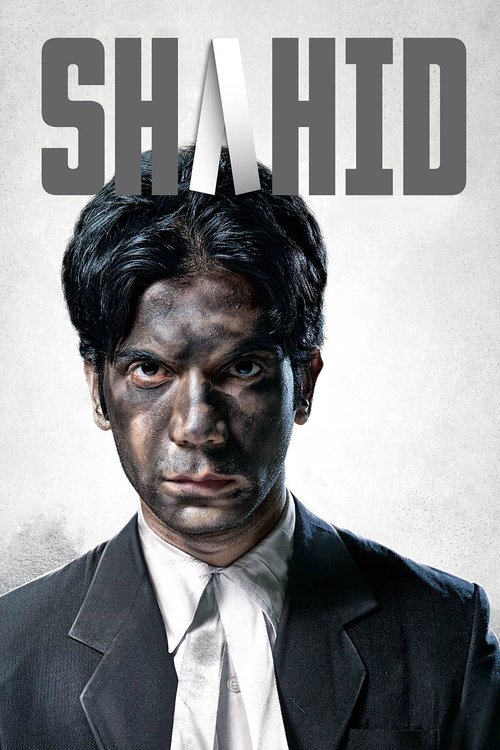
Shahid
A story based on real-life human-rights and criminal lawyer, Shahid Azmi, who was slain while defending the wrongly accused by the law in terrorist activities.
Despite its extremely modest budget of $970K, Shahid became a massive hit, earning $6.1M worldwide—a remarkable 529% return. The film's compelling narrative engaged audiences, proving that strong storytelling can transcend budget limitations.
Plot Structure
Story beats plotted across runtime


Narrative Arc
Emotional journey through the story's key moments
Story Circle
Blueprint 15-beat structure
Arcplot Score Breakdown
Weighted: Precision (70%) + Arc (15%) + Theme (15%)
Shahid (2013) showcases strategically placed narrative design, characteristic of Hansal Mehta's storytelling approach. This structural analysis examines how the film's 15-point plot structure maps to proven narrative frameworks across 2 hours and 9 minutes. With an Arcplot score of 7.1, the film balances conventional beats with creative variation.
Structural Analysis
The Status Quo at 2 minutes (2% through the runtime) establishes Shahid Azmi practicing law in a small office, defending poor Muslim clients accused of terrorism. Shows his commitment but also the dangerous world he inhabits.. Of particular interest, this early placement immediately immerses viewers in the story world.
The inciting incident occurs at 15 minutes when Shahid decides to take on a high-profile case defending Muslims accused in a major terrorism case, despite warnings about the danger and career risks.. At 12% through the film, this Disruption aligns precisely with traditional story structure. This beat shifts the emotional landscape, launching the protagonist into the central conflict.
The First Threshold at 31 minutes marks the transition into Act II, occurring at 24% of the runtime. This demonstrates the protagonist's commitment to Shahid commits fully to defending the accused, despite threats. He actively chooses justice over safety, crossing into the dangerous world of defending terror accused., moving from reaction to action.
At 63 minutes, the Midpoint arrives at 49% of the runtime—precisely centered, creating perfect narrative symmetry. Structural examination shows that this crucial beat Major courtroom victory - Shahid secures acquittal or bail for key clients, exposing prosecution fabrications. False victory: he seems to be winning, but this raises the stakes and makes him a bigger target., fundamentally raising what's at risk. The emotional intensity shifts, dividing the narrative into clear before-and-after phases.
The Collapse moment at 94 minutes (73% through) represents the emotional nadir. Here, Shahid receives death threats that feel immediate and credible. A client may be harmed or a case is severely compromised. The "whiff of death" - literal danger to his life becomes undeniable., demonstrates the protagonist at their lowest point. This beat's placement in the final quarter sets up the climactic reversal.
The Second Threshold at 102 minutes initiates the final act resolution at 79% of the runtime. Shahid finds renewed purpose, synthesizing his past (understanding injustice from personal experience) with his present mission. Decides he must continue despite the danger - it's who he is., demonstrating the transformation achieved throughout the journey.
Emotional Journey
Shahid's emotional architecture traces a deliberate progression across 15 carefully calibrated beats.
Narrative Framework
This structural analysis employs proven narrative structure principles that track dramatic progression. By mapping Shahid against these established plot points, we can identify how Hansal Mehta utilizes or subverts traditional narrative conventions. The plot point approach reveals not only adherence to structural principles but also creative choices that distinguish Shahid within the drama genre.
Comparative Analysis
Additional drama films include Eye for an Eye, South Pacific and Kiss of the Spider Woman.
Plot Points by Act
Act I
SetupStatus Quo
Shahid Azmi practicing law in a small office, defending poor Muslim clients accused of terrorism. Shows his commitment but also the dangerous world he inhabits.
Theme
Shahid's mentor or colleague mentions that everyone deserves a fair trial, regardless of what they're accused of - establishing the film's theme of justice versus prejudice.
Worldbuilding
Flashbacks to Shahid's youth in Mumbai, his radicalization after the 1992-93 riots, training in Kashmir, arrest and torture under TADA. Establishes his transformation from militant to lawyer.
Disruption
Shahid decides to take on a high-profile case defending Muslims accused in a major terrorism case, despite warnings about the danger and career risks.
Resistance
Shahid debates whether to continue with dangerous cases, meets Mariam (his love interest), struggles with family pressure to quit law and return to safe work. His brother and mentors warn him.
Act II
ConfrontationFirst Threshold
Shahid commits fully to defending the accused, despite threats. He actively chooses justice over safety, crossing into the dangerous world of defending terror accused.
Mirror World
Deepening relationship with Mariam, who represents a normal life and love. She embodies the theme by accepting him despite the danger his work brings.
Premise
Shahid fights cases in court, exposing police brutality and false evidence. Courtroom victories, investigation work, building cases. The "promise of the premise" - watching him be a crusading lawyer.
Midpoint
Major courtroom victory - Shahid secures acquittal or bail for key clients, exposing prosecution fabrications. False victory: he seems to be winning, but this raises the stakes and makes him a bigger target.
Opposition
Threats intensify, family pressure increases, Mariam worries for his safety. Police and powerful forces close in. Cases become harder, evidence tampered with. Opposition from all sides.
Collapse
Shahid receives death threats that feel immediate and credible. A client may be harmed or a case is severely compromised. The "whiff of death" - literal danger to his life becomes undeniable.
Crisis
Shahid contemplates giving up, dark night of the soul. Conversations with Mariam and family about whether it's worth it. Processing the fear and cost of his choices.
Act III
ResolutionSecond Threshold
Shahid finds renewed purpose, synthesizing his past (understanding injustice from personal experience) with his present mission. Decides he must continue despite the danger - it's who he is.
Synthesis
Shahid pursues final cases with determination. The finale builds to his assassination on February 11, 2010. Final courtroom scenes and then the tragic conclusion of his murder.
Transformation
Text epilogue reveals Shahid's murder and legacy - his clients were later acquitted, vindicating his work. Transformation is tragic: he dies, but his cause lives on. Justice prevails posthumously.