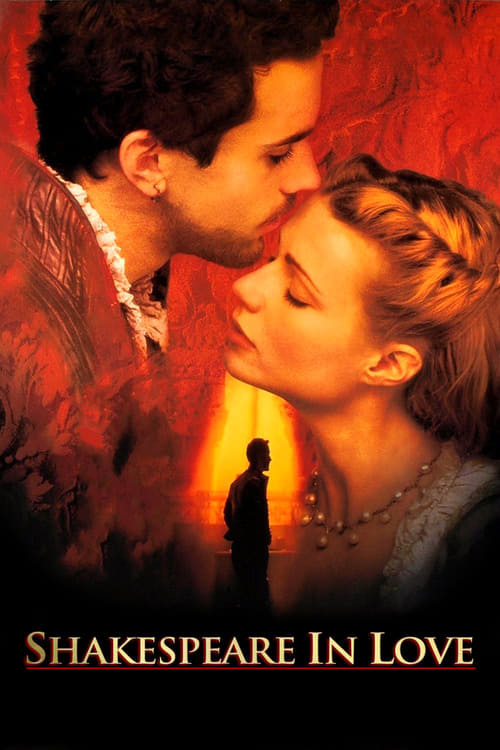
Shakespeare in Love
Young William Shakespeare is forced to stage his latest comedy, 'Romeo and Ethel, the Pirate's Daughter', before it's even written. When lovely noblewoman Viola de Lesseps auditions for a role, they fall into forbidden love — and Shakespeare's play finds a new life (and title). As their relationship intensifies, the comedy soon transforms into tragedy.
Despite a respectable budget of $25.0M, Shakespeare in Love became a runaway success, earning $289.3M worldwide—a remarkable 1057% return.
7 Oscars. 65 wins & 87 nominations


Plot Structure
Story beats plotted across runtime


Narrative Arc
Emotional journey through the story's key moments
Story Circle
Blueprint 15-beat structure
Arcplot Score Breakdown
Weighted: Precision (70%) + Arc (15%) + Theme (15%)
Shakespeare in Love (1998) reveals deliberately positioned plot construction, characteristic of John Madden's storytelling approach. This structural analysis examines how the film's 15-point plot structure maps to proven narrative frameworks across 2 hours and 4 minutes. With an Arcplot score of 6.3, the film takes an unconventional approach to traditional narrative frameworks.
Characters
Cast & narrative archetypes

William Shakespeare
Viola de Lesseps
Lord Wessex
Philip Henslowe
Queen Elizabeth I
Ned Alleyn
Christopher Marlowe
Main Cast & Characters
William Shakespeare
Played by Joseph Fiennes
A struggling playwright who finds his muse and voice while falling in love with Viola de Lesseps.
Viola de Lesseps
Played by Gwyneth Paltrow
A noblewoman who disguises herself as a man to act in Shakespeare's play, becoming his lover and inspiration.
Lord Wessex
Played by Colin Firth
A bankrupt aristocrat who seeks to marry Viola for her dowry, serving as the obstacle to true love.
Philip Henslowe
Played by Geoffrey Rush
The theater owner and producer who desperately needs Shakespeare to finish his play to pay off debts.
Queen Elizabeth I
Played by Judi Dench
The powerful monarch who loves theater and ultimately decides the fate of the lovers.
Ned Alleyn
Played by Ben Affleck
A famous actor and rival player who represents the established theatrical order.
Christopher Marlowe
Played by Rupert Everett
A fellow playwright and Shakespeare's mentor figure who helps him overcome writer's block.
Structural Analysis
The Status Quo at 1 minutes (1% through the runtime) establishes Will Shakespeare suffers from writer's block, unable to write a word of his new comedy "Romeo and Ethel, the Pirate's Daughter." He's a struggling playwright desperate for inspiration, visiting an apothecary for writer's block remedies.. The analysis reveals that this early placement immediately immerses viewers in the story world.
The inciting incident occurs at 15 minutes when At auditions, "Thomas Kent" (Viola in disguise) performs a stunning reading of Romeo. Will is electrified by the mysterious young actor's talent and presence, unknowingly beginning to fall for his muse. His creative spark reignites.. At 12% through the film, this Disruption aligns precisely with traditional story structure. This beat shifts the emotional landscape, launching the protagonist into the central conflict.
The First Threshold at 32 minutes marks the transition into Act II, occurring at 26% of the runtime. This indicates the protagonist's commitment to Will and Viola consummate their love at her family estate. They fully commit to their impossible romance, knowing it's doomed but choosing passion over prudence. Will begins writing Romeo and Juliet, transforming his lived experience into art., moving from reaction to action.
At 63 minutes, the Midpoint arrives at 50% of the runtime—precisely centered, creating perfect narrative symmetry. Structural examination shows that this crucial beat False defeat: Lord Wessex discovers Viola's identity as Thomas Kent and her romance with Will. The affair is exposed. Wessex forces the marriage date forward. The Master of Revels closes the theater. Everything falls apart simultaneously., fundamentally raising what's at risk. The emotional intensity shifts, dividing the narrative into clear before-and-after phases.
The Collapse moment at 92 minutes (74% through) represents the emotional nadir. Here, Christopher Marlowe, Will's friend and mentor, is killed in a tavern brawl. Will loses his confidant and rival. This "whiff of death" represents the death of Will's hope for keeping Viola and embodies the tragic fate awaiting the lovers, just like Romeo and Juliet., demonstrates the protagonist at their lowest point. This beat's placement in the final quarter sets up the climactic reversal.
The Second Threshold at 100 minutes initiates the final act resolution at 81% of the runtime. Will and Viola realize they can have one final performance together. They'll perform Romeo and Juliet at the Curtain theater with Viola playing Juliet. They choose to transform their doomed love into eternal art, accepting the bittersweet truth that the play is their legacy., demonstrating the transformation achieved throughout the journey.
Emotional Journey
Shakespeare in Love's emotional architecture traces a deliberate progression across 15 carefully calibrated beats.
Narrative Framework
This structural analysis employs structural analysis methodology used to understand storytelling architecture. By mapping Shakespeare in Love against these established plot points, we can identify how John Madden utilizes or subverts traditional narrative conventions. The plot point approach reveals not only adherence to structural principles but also creative choices that distinguish Shakespeare in Love within the romance genre.
John Madden's Structural Approach
Among the 7 John Madden films analyzed on Arcplot, the average structural score is 6.8, demonstrating varied approaches to story architecture. Shakespeare in Love takes a more unconventional approach compared to the director's typical style. For comparative analysis, explore the complete John Madden filmography.
Comparative Analysis
Additional romance films include South Pacific, Dirty Dancing: Havana Nights and The Evening Star. For more John Madden analyses, see The Best Exotic Marigold Hotel, The Debt and Miss Sloane.
Plot Points by Act
Act I
SetupStatus Quo
Will Shakespeare suffers from writer's block, unable to write a word of his new comedy "Romeo and Ethel, the Pirate's Daughter." He's a struggling playwright desperate for inspiration, visiting an apothecary for writer's block remedies.
Theme
Marlowe tells Will, "Write what you know... love, and a bit with a dog." The theme is stated: true art comes from authentic experience and genuine emotion, not forced imitation. Love transforms both life and art.
Worldbuilding
Establishment of Elizabethan theater world: the competitive playhouses, Shakespeare's financial troubles with Fennyman, his rivalry with other playwrights, Henslowe's desperation for a new play, and the strict social hierarchies preventing women from acting on stage.
Disruption
At auditions, "Thomas Kent" (Viola in disguise) performs a stunning reading of Romeo. Will is electrified by the mysterious young actor's talent and presence, unknowingly beginning to fall for his muse. His creative spark reignites.
Resistance
Will pursues the mysterious Thomas Kent, discovering "he" is actually Viola de Lesseps, a noblewoman who loves theater. They engage in a dance of disguise and revelation. Will debates whether to pursue this forbidden love while Viola is promised to Lord Wessex.
Act II
ConfrontationFirst Threshold
Will and Viola consummate their love at her family estate. They fully commit to their impossible romance, knowing it's doomed but choosing passion over prudence. Will begins writing Romeo and Juliet, transforming his lived experience into art.
Mirror World
Viola becomes Will's muse and creative partner, secretly playing Romeo in rehearsals as Thomas Kent. Their relationship embodies the film's theme: art and life are inseparable, genuine love creates genuine art, and social barriers are artificial.
Premise
The promise of the premise: watching Shakespeare create Romeo and Juliet while living it. Will and Viola's secret affair fuels the writing. Rehearsals progress with Viola playing Romeo. Comedy transforms into tragedy. The playhouse world comes alive with creative energy and romantic subterfuge.
Midpoint
False defeat: Lord Wessex discovers Viola's identity as Thomas Kent and her romance with Will. The affair is exposed. Wessex forces the marriage date forward. The Master of Revels closes the theater. Everything falls apart simultaneously.
Opposition
The forces of society close in. Viola must prepare to marry Wessex. Will cannot stop the marriage. The play seems doomed without a theater or the lead actor. Wessex grows more controlling. Time runs out as all obstacles converge.
Collapse
Christopher Marlowe, Will's friend and mentor, is killed in a tavern brawl. Will loses his confidant and rival. This "whiff of death" represents the death of Will's hope for keeping Viola and embodies the tragic fate awaiting the lovers, just like Romeo and Juliet.
Crisis
Will mourns Marlowe and faces the impossible reality: Viola will marry Wessex and leave for Virginia. He contemplates the loss of his love and muse. Dark night before accepting that art is the only immortality they can share.
Act III
ResolutionSecond Threshold
Will and Viola realize they can have one final performance together. They'll perform Romeo and Juliet at the Curtain theater with Viola playing Juliet. They choose to transform their doomed love into eternal art, accepting the bittersweet truth that the play is their legacy.
Synthesis
The finale: Romeo and Juliet premieres with Will as Romeo and Viola revealed as Juliet. The performance is transcendent, moving the Queen herself. Art triumphs over social barriers in this moment. Viola must leave for Virginia with Wessex, but the play immortalizes their love.
Transformation
Will writes at his desk again, no longer blocked, beginning "Twelfth Night" with Viola as his muse. He writes, "Tell me where is fancy bred..." He has been transformed from a blocked hack into a true artist who understands that love and loss are the wellspring of great art.