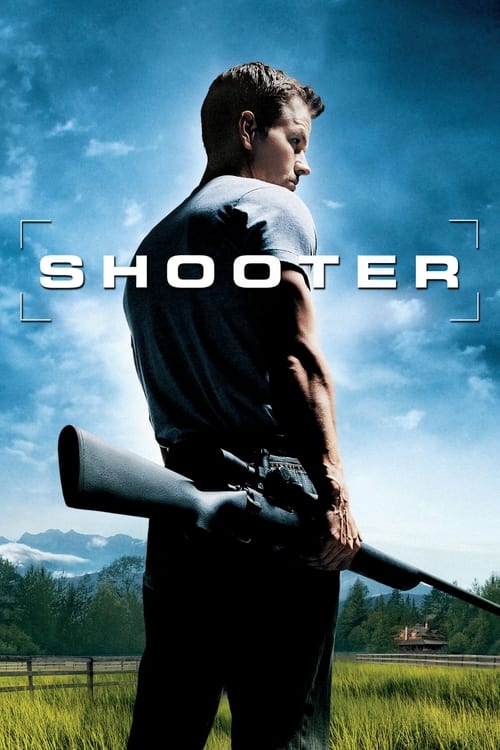
Shooter
A top Marine sniper, Bob Lee Swagger, leaves the military after a mission goes horribly awry and disappears, living in seclusion. He is coaxed back into service after a high-profile government official convinces him to help thwart a plot to kill the President of the United States. Ultimately double-crossed and framed for the attempt, Swagger becomes the target of a nationwide manhunt. He goes on the run to track the real killer and find out who exactly set him up, and why, eventually seeking revenge against some of the most powerful and corrupt leaders in the free world.
Working with a respectable budget of $61.0M, the film achieved a respectable showing with $95.7M in global revenue (+57% profit margin).


Plot Structure
Story beats plotted across runtime


Narrative Arc
Emotional journey through the story's key moments
Story Circle
Blueprint 15-beat structure
Arcplot Score Breakdown
Weighted: Precision (70%) + Arc (15%) + Theme (15%)
Shooter (2007) reveals deliberately positioned narrative architecture, characteristic of Antoine Fuqua's storytelling approach. This structural analysis examines how the film's 15-point plot structure maps to proven narrative frameworks across 2 hours and 4 minutes. With an Arcplot score of 7.1, the film balances conventional beats with creative variation.
Characters
Cast & narrative archetypes

Bob Lee Swagger
Nick Memphis
Sarah Fenn
Colonel Isaac Johnson
Jack Payne
Senator Charles F. Meachum
Howard Purnell
Michael Sandor
Main Cast & Characters
Bob Lee Swagger
Played by Mark Wahlberg
Elite Marine sniper living in isolation who is framed for a presidential assassination attempt and must clear his name.
Nick Memphis
Played by Michael Peña
Idealistic FBI agent who helps Swagger after realizing he's been set up by corrupt officials.
Sarah Fenn
Played by Kate Mara
Widow of Swagger's spotter who provides refuge and support during his mission for justice.
Colonel Isaac Johnson
Played by Danny Glover
Corrupt retired Marine officer who orchestrates the conspiracy and betrays Swagger.
Jack Payne
Played by Elias Koteas
Ruthless mercenary and enforcer working for Johnson to eliminate Swagger.
Senator Charles F. Meachum
Played by Ned Beatty
Powerful corrupt senator orchestrating the conspiracy for corporate interests.
Howard Purnell
Played by Rhona Mitra
Corrupt FBI superior who is part of the conspiracy against Swagger.
Michael Sandor
Played by Rade Šerbedžija
Rogue gunsmith and weapons expert who assists Swagger with technical knowledge.
Structural Analysis
The Status Quo at 1 minutes (1% through the runtime) establishes Bob Lee Swagger operates as an elite Marine sniper in Ethiopia with his spotter Donnie Fenn. They are experts doing dangerous work for their country, establishing Swagger as a skilled patriot serving in hostile territory.. Structural examination shows that this early placement immediately immerses viewers in the story world.
The inciting incident occurs at 15 minutes when Colonel Isaac Johnson arrives at Swagger's cabin with a team, claiming they need his expertise to prevent a presidential assassination. Johnson appeals to Swagger's patriotism and skill, pulling him back into the world he left behind.. At 12% through the film, this Disruption aligns precisely with traditional story structure. This beat shifts the emotional landscape, launching the protagonist into the central conflict.
The First Threshold at 31 minutes marks the transition into Act II, occurring at 25% of the runtime. This demonstrates the protagonist's commitment to At the Philadelphia rally, Swagger is positioned as planned but realizes too late he's been set up. An Ethiopian archbishop is assassinated, Swagger is shot by a corrupt agent, and he becomes the patsy. His choice to help has trapped him in a conspiracy., moving from reaction to action.
At 62 minutes, the Midpoint arrives at 50% of the runtime—precisely centered, creating perfect narrative symmetry. The analysis reveals that this crucial beat Swagger captures Nick Memphis and forces him to listen to the truth. Memphis becomes convinced of Swagger's innocence and agrees to help from inside the FBI. This false victory gives Swagger an ally, but the conspiracy runs deeper than either knows., fundamentally raising what's at risk. The emotional intensity shifts, dividing the narrative into clear before-and-after phases.
The Collapse moment at 93 minutes (75% through) represents the emotional nadir. Here, The conspirators kidnap Sarah to use as leverage. Swagger's investigation has put an innocent woman in mortal danger. With Sarah's life at stake and powerful enemies controlling law enforcement, Swagger faces his lowest point—his actions have endangered the one pure connection he has left., indicates the protagonist at their lowest point. This beat's placement in the final quarter sets up the climactic reversal.
The Second Threshold at 99 minutes initiates the final act resolution at 80% of the runtime. Swagger decides to stop running and take the fight directly to his enemies. He arranges a meeting with the conspirators at their mountain compound, using himself as bait while Memphis works the legal angle. He'll expose them or die trying., demonstrating the transformation achieved throughout the journey.
Emotional Journey
Shooter's emotional architecture traces a deliberate progression across 15 carefully calibrated beats.
Narrative Framework
This structural analysis employs proven narrative structure principles that track dramatic progression. By mapping Shooter against these established plot points, we can identify how Antoine Fuqua utilizes or subverts traditional narrative conventions. The plot point approach reveals not only adherence to structural principles but also creative choices that distinguish Shooter within the drama genre.
Antoine Fuqua's Structural Approach
Among the 11 Antoine Fuqua films analyzed on Arcplot, the average structural score is 7.1, reflecting strong command of classical structure. Shooter takes a more unconventional approach compared to the director's typical style. For comparative analysis, explore the complete Antoine Fuqua filmography.
Comparative Analysis
Additional drama films include After Thomas, South Pacific and Dirty Dancing: Havana Nights. For more Antoine Fuqua analyses, see The Equalizer 2, King Arthur and The Equalizer 3.
Plot Points by Act
Act I
SetupStatus Quo
Bob Lee Swagger operates as an elite Marine sniper in Ethiopia with his spotter Donnie Fenn. They are experts doing dangerous work for their country, establishing Swagger as a skilled patriot serving in hostile territory.
Theme
After Donnie is killed and Swagger is abandoned by command, the theme emerges: those who serve their country cannot always trust the institutions they serve. The government's betrayal of its own soldiers foreshadows the larger conspiracy.
Worldbuilding
Three years later, Swagger lives as a recluse in the Wyoming mountains with his dog, bitter and disillusioned after losing Donnie. He has withdrawn from society, monitors conspiracy websites, and wants nothing to do with the government that betrayed him.
Disruption
Colonel Isaac Johnson arrives at Swagger's cabin with a team, claiming they need his expertise to prevent a presidential assassination. Johnson appeals to Swagger's patriotism and skill, pulling him back into the world he left behind.
Resistance
Swagger reluctantly agrees to help and scouts potential assassination locations, using his expertise to identify where and how a sniper would take the shot. He works with Johnson's team to supposedly protect the President during upcoming public appearances.
Act II
ConfrontationFirst Threshold
At the Philadelphia rally, Swagger is positioned as planned but realizes too late he's been set up. An Ethiopian archbishop is assassinated, Swagger is shot by a corrupt agent, and he becomes the patsy. His choice to help has trapped him in a conspiracy.
Mirror World
Wounded and hunted, Swagger reaches Sarah Fenn, his dead spotter's widow. She represents his connection to honor and the truth worth fighting for. Despite the danger, she chooses to help him, becoming his link to humanity and redemption.
Premise
Swagger uses his elite skills to evade capture while gathering evidence. He patches his own wounds, outwits FBI manhunts, and begins investigating the conspiracy. FBI rookie Nick Memphis, initially hunting Swagger, starts questioning the official story.
Midpoint
Swagger captures Nick Memphis and forces him to listen to the truth. Memphis becomes convinced of Swagger's innocence and agrees to help from inside the FBI. This false victory gives Swagger an ally, but the conspiracy runs deeper than either knows.
Opposition
Swagger and Memphis uncover the conspiracy: the archbishop was killed because he knew about a massacre of an Ethiopian village by American mercenaries tied to an oil pipeline. Senator Meachum and Colonel Johnson are behind everything, with vast resources to silence anyone.
Collapse
The conspirators kidnap Sarah to use as leverage. Swagger's investigation has put an innocent woman in mortal danger. With Sarah's life at stake and powerful enemies controlling law enforcement, Swagger faces his lowest point—his actions have endangered the one pure connection he has left.
Crisis
Swagger must weigh his desire for justice against Sarah's safety. The conspiracy seems untouchable—a U.S. Senator and military contractors backed by government resources. Even with evidence, the system protects its own.
Act III
ResolutionSecond Threshold
Swagger decides to stop running and take the fight directly to his enemies. He arranges a meeting with the conspirators at their mountain compound, using himself as bait while Memphis works the legal angle. He'll expose them or die trying.
Synthesis
Swagger infiltrates the compound, rescues Sarah, and eliminates the mercenaries with precision. At a secret tribunal, the Attorney General dismisses the case against Swagger due to lack of evidence—but also cannot prosecute the conspirators. Justice through legal channels fails, so Swagger takes matters into his own hands, executing Meachum and Johnson.
Transformation
Swagger walks away from the burning cabin with Sarah, having delivered his own justice. Unlike the opening where he was abandoned by his country, he now operates by his own moral code. The disillusioned recluse has become a man who takes action when institutions fail.