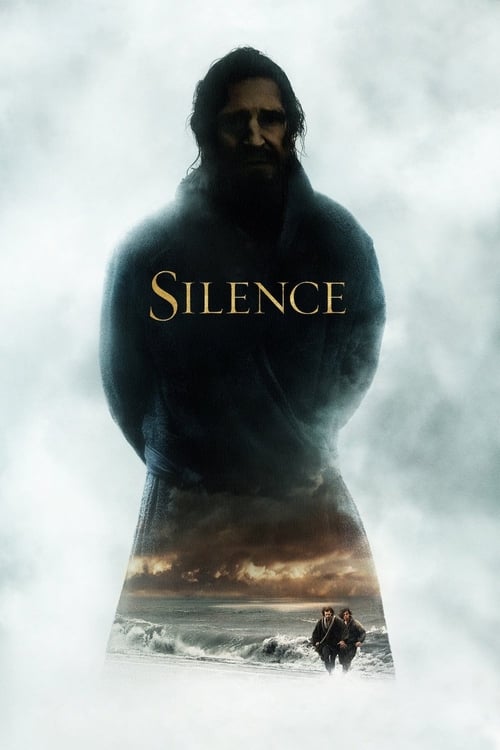
Silence
In the 17th century, two Portuguese Jesuit priests travel to Japan in an attempt to locate their mentor, who is rumored to have committed apostasy, and to propagate Catholicism.
The film struggled financially against its mid-range budget of $46.0M, earning $23.8M globally (-48% loss). While initial box office returns were modest, the film has gained appreciation for its fresh perspective within the drama genre.
Nominated for 1 Oscar. 8 wins & 62 nominations


Plot Structure
Story beats plotted across runtime


Narrative Arc
Emotional journey through the story's key moments
Story Circle
Blueprint 15-beat structure
Arcplot Score Breakdown
Weighted: Precision (70%) + Arc (15%) + Theme (15%)
Silence (2016) exhibits meticulously timed dramatic framework, characteristic of Martin Scorsese's storytelling approach. This structural analysis examines how the film's 15-point plot structure maps to proven narrative frameworks across 2 hours and 41 minutes. With an Arcplot score of 6.6, the film balances conventional beats with creative variation.
Characters
Cast & narrative archetypes

Father Sebastião Rodrigues
Father Francisco Garupe
Kichijiro
Ferreira / Sawano Chūan
Inoue Masashige
Mokichi
Ichizo
Main Cast & Characters
Father Sebastião Rodrigues
Played by Andrew Garfield
A Portuguese Jesuit priest who travels to Japan to find his mentor and spread Christianity despite severe persecution.
Father Francisco Garupe
Played by Adam Driver
Rodrigues's companion priest, deeply committed to his faith and the mission despite growing dangers.
Kichijiro
Played by Yōsuke Kubozuka
A tormented Japanese Christian who repeatedly betrays and confesses, serving as both guide and Judas figure.
Ferreira / Sawano Chūan
Played by Liam Neeson
The missing Jesuit mentor who has apostasized under torture and now works for the Japanese authorities.
Inoue Masashige
Played by Issey Ogata
The elderly Inquisitor of Nagasaki who uses psychological warfare to force apostasy from Christian priests.
Mokichi
Played by Shin'ya Tsukamoto
A devout Japanese Christian villager who faces martyrdom with unwavering faith.
Ichizo
Played by Yoshi Oida
A faithful Japanese Christian villager who is martyred for his beliefs.
Structural Analysis
The Status Quo at 2 minutes (1% through the runtime) establishes Japanese Christians are tortured at a sulfurous hot spring while Father Ferreira watches helplessly. This prologue establishes the brutal persecution that will define the film's world and foreshadows the impossible choices ahead.. Notably, this early placement immediately immerses viewers in the story world.
The inciting incident occurs at 19 minutes when Rodrigues and Garupe receive permission to travel to Japan to find Father Ferreira. Their mission is approved despite the dangers, setting them on an irreversible path toward the heart of Christian persecution.. At 12% through the film, this Disruption aligns precisely with traditional story structure. This beat shifts the emotional landscape, launching the protagonist into the central conflict.
The First Threshold at 40 minutes marks the transition into Act II, occurring at 25% of the runtime. This indicates the protagonist's commitment to Rodrigues and Garupe land secretly on the shores of Japan at night, entering the forbidden country where Christianity is punishable by death. They choose to enter this hostile world knowing there may be no return., moving from reaction to action.
At 81 minutes, the Midpoint arrives at 50% of the runtime—precisely centered, creating perfect narrative symmetry. The analysis reveals that this crucial beat Rodrigues is captured after Kichijiro betrays him for silver—a deliberate Judas parallel. The false victory of successful ministry collapses as the Inquisitor Inoue begins his psychological campaign to break the priest's faith., fundamentally raising what's at risk. The emotional intensity shifts, dividing the narrative into clear before-and-after phases.
The Collapse moment at 121 minutes (75% through) represents the emotional nadir. Here, Rodrigues finally meets Ferreira, who has indeed apostatized and now lives as a Japanese scholar. Ferreira explains that he trampled on the fumie to stop the torture of others—the same choice Rodrigues will face. Everything Rodrigues believed is shattered., indicates the protagonist at their lowest point. This beat's placement in the final quarter sets up the climactic reversal.
The Second Threshold at 129 minutes initiates the final act resolution at 80% of the runtime. In the darkness, Rodrigues hears Christ speak from the fumie: "Trample. It was to be trampled on by men that I was born into this world." He places his foot on the image, committing apostasy as an act of tortured compassion., demonstrating the transformation achieved throughout the journey.
Emotional Journey
Silence's emotional architecture traces a deliberate progression across 15 carefully calibrated beats.
Narrative Framework
This structural analysis employs proven narrative structure principles that track dramatic progression. By mapping Silence against these established plot points, we can identify how Martin Scorsese utilizes or subverts traditional narrative conventions. The plot point approach reveals not only adherence to structural principles but also creative choices that distinguish Silence within the drama genre.
Martin Scorsese's Structural Approach
Among the 18 Martin Scorsese films analyzed on Arcplot, the average structural score is 6.0, showcasing experimental approaches to narrative form. Silence represents one of the director's most structurally precise works. For comparative analysis, explore the complete Martin Scorsese filmography.
Comparative Analysis
Additional drama films include After Thomas, South Pacific and Dirty Dancing: Havana Nights. For more Martin Scorsese analyses, see Casino, Killers of the Flower Moon and After Hours.
Plot Points by Act
Act I
SetupStatus Quo
Japanese Christians are tortured at a sulfurous hot spring while Father Ferreira watches helplessly. This prologue establishes the brutal persecution that will define the film's world and foreshadows the impossible choices ahead.
Theme
Father Valignano tells Rodrigues and Garupe about Ferreira's alleged apostasy: "The price for yourستnaturalist faith here is suffering." The theme of whether faith can survive in silence—when God doesn't answer—is introduced.
Worldbuilding
We learn of Father Ferreira's reported apostasy in Japan, the brutal persecution of Christians, and meet the idealistic young Jesuit priests Rodrigues and Garupe who refuse to believe their mentor has abandoned his faith.
Disruption
Rodrigues and Garupe receive permission to travel to Japan to find Father Ferreira. Their mission is approved despite the dangers, setting them on an irreversible path toward the heart of Christian persecution.
Resistance
The priests travel to Macao where they meet Kichijiro, a tormented Japanese fisherman and apostate who agrees to guide them secretly into Japan. His weakness and repeated failures foreshadow the impossible demands faith will make.
Act II
ConfrontationFirst Threshold
Rodrigues and Garupe land secretly on the shores of Japan at night, entering the forbidden country where Christianity is punishable by death. They choose to enter this hostile world knowing there may be no return.
Mirror World
The priests discover the hidden Christian village of Tomogi, meeting the faithful peasants who have kept their faith alive in secret for decades. These simple believers embody a pure faith that contrasts with Rodrigues's intellectual certainty.
Premise
Rodrigues and Garupe minister secretly to the hidden Christians, performing sacraments and strengthening faith while evading the Inquisitor. Rodrigues begins to identify with Christ's suffering, finding meaning in persecution.
Midpoint
Rodrigues is captured after Kichijiro betrays him for silver—a deliberate Judas parallel. The false victory of successful ministry collapses as the Inquisitor Inoue begins his psychological campaign to break the priest's faith.
Opposition
Inoue subjects Rodrigues to psychological torture, forcing him to watch Christians die rather than physically harming him. Garupe drowns trying to save converts. The Inquisitor argues that Christianity is incompatible with Japan's spiritual soil.
Collapse
Rodrigues finally meets Ferreira, who has indeed apostatized and now lives as a Japanese scholar. Ferreira explains that he trampled on the fumie to stop the torture of others—the same choice Rodrigues will face. Everything Rodrigues believed is shattered.
Crisis
Rodrigues confronts the impossible dilemma: apostatize to save the Japanese Christians being tortured in the pit, or maintain his faith while they die. God's silence becomes deafening as he prays desperately for guidance.
Act III
ResolutionSecond Threshold
In the darkness, Rodrigues hears Christ speak from the fumie: "Trample. It was to be trampled on by men that I was born into this world." He places his foot on the image, committing apostasy as an act of tortured compassion.
Synthesis
Rodrigues lives out his years in Japan as an apostate, given a Japanese name and wife. He helps the Inquisition identify Christian contraband, seemingly broken. Yet he continues to hear the confessions of Kichijiro, suggesting faith persists in silence.
Transformation
At Rodrigues's Buddhist funeral, as his body is placed in the coffin, his hands secretly clutch a small crucifix—the very one given to him by the villager Mokichi. His faith survived in silence, hidden but unbroken.