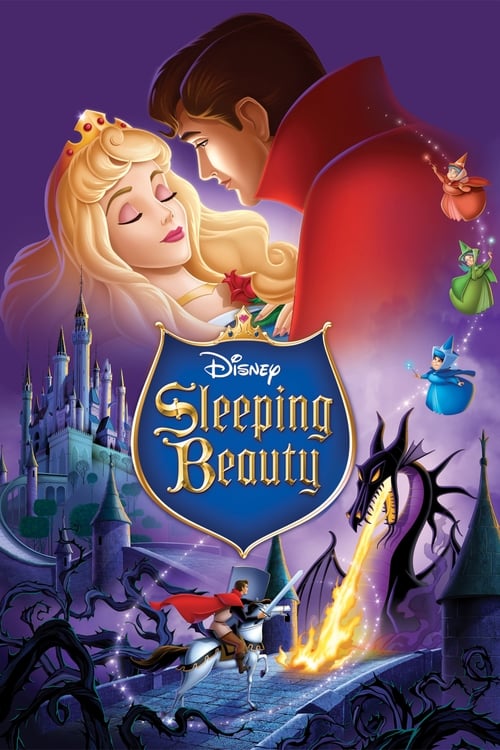
Sleeping Beauty
Cursed to die by the evil fairy Maleficent when she was a baby, Princess Aurora is sent into hiding under protection from three good fairies. As she grows up far away, Maleficent becomes increasingly determined to seal the princess's fate.
Despite its limited budget of $6.0M, Sleeping Beauty became a massive hit, earning $51.6M worldwide—a remarkable 760% return. The film's unique voice connected with viewers, confirming that strong storytelling can transcend budget limitations.
Nominated for 1 Oscar. 3 wins & 5 nominations


Plot Structure
Story beats plotted across runtime


Narrative Arc
Emotional journey through the story's key moments
Story Circle
Blueprint 15-beat structure
Arcplot Score Breakdown
Weighted: Precision (70%) + Arc (15%) + Theme (15%)
Sleeping Beauty (1959) exemplifies precise dramatic framework, characteristic of Clyde Geronimi's storytelling approach. This structural analysis examines how the film's 15-point plot structure maps to proven narrative frameworks across 1 hour and 15 minutes. With an Arcplot score of 6.3, the film takes an unconventional approach to traditional narrative frameworks.
Characters
Cast & narrative archetypes

Princess Aurora (Briar Rose)
Maleficent
Prince Phillip
Flora
Fauna
Merryweather
Main Cast & Characters
Princess Aurora (Briar Rose)
Played by Mary Costa
A beautiful princess cursed to sleep, raised in secret by fairies as the peasant girl Briar Rose.
Maleficent
Played by Eleanor Audley
A powerful evil fairy who curses Aurora out of vengeance for not being invited to the christening.
Prince Phillip
Played by Bill Shirley
A brave prince who falls in love with Briar Rose and battles Maleficent to break the curse.
Flora
Played by Verna Felton
The leader of the three good fairies, dressed in red, who protects Aurora and eventually gives her the gift of beauty.
Fauna
Played by Barbara Jo Allen
The gentle, sweet-natured good fairy in green who gives Aurora the gift of song.
Merryweather
Played by Barbara Luddy
The feisty, youngest good fairy in blue who alters Maleficent's curse so Aurora will sleep instead of die.
Structural Analysis
The Status Quo at 1 minutes (1% through the runtime) establishes The kingdom celebrates the birth of Princess Aurora with great joy, as King Stefan and Queen Leah present their daughter to the gathered court and visiting King Hubert. The infant princess represents hope and the promise of future happiness.. The analysis reveals that this early placement immediately immerses viewers in the story world.
The inciting incident occurs at 8 minutes when Maleficent crashes the christening and curses Aurora to prick her finger on a spinning wheel spindle before sunset on her 16th birthday and die. This curse shatters the joyful celebration and sets the entire story in motion.. At 11% through the film, this Disruption aligns precisely with traditional story structure. This beat shifts the emotional landscape, launching the protagonist into the central conflict.
The First Threshold at 14 minutes marks the transition into Act II, occurring at 19% of the runtime. This illustrates the protagonist's commitment to The fairies take baby Aurora away from the castle into hiding in the forest cottage, leaving behind her royal identity. This marks the beginning of Aurora's life in the mirror world of peasant existence, separated from her true destiny., moving from reaction to action.
At 37 minutes, the Midpoint arrives at 49% of the runtime—precisely centered, creating perfect narrative symmetry. Notably, this crucial beat Aurora returns to the cottage and learns she is a princess betrothed to Prince Phillip, and must give up her forest love and leave for the castle that very night. Her dreams are shattered when she discovers she can never see the man she loves again. This false defeat raises the stakes dramatically., fundamentally raising what's at risk. The emotional intensity shifts, dividing the narrative into clear before-and-after phases.
The Collapse moment at 50 minutes (67% through) represents the emotional nadir. Here, Maleficent reveals to the captured Prince Phillip that Aurora is asleep under the spell and mocks him, saying she will release him when he is old and near death—100 years later. All hope seems lost as the villain has complete control and the prince is helpless in chains. The "whiff of death" is represented by Maleficent's promise of Phillip's eventual decay and the kingdom's century-long sleep., indicates the protagonist at their lowest point. This beat's placement in the final quarter sets up the climactic reversal.
The Second Threshold at 54 minutes initiates the final act resolution at 72% of the runtime. The three good fairies arrive at Maleficent's castle, free Prince Phillip from his chains, and arm him with the enchanted Sword of Truth and Shield of Virtue. They reveal that he is the one who can break the spell with true love's kiss. Equipped with magical weapons and knowledge, Phillip is ready to fight., demonstrating the transformation achieved throughout the journey.
Emotional Journey
Sleeping Beauty's emotional architecture traces a deliberate progression across 15 carefully calibrated beats.
Narrative Framework
This structural analysis employs proven narrative structure principles that track dramatic progression. By mapping Sleeping Beauty against these established plot points, we can identify how Clyde Geronimi utilizes or subverts traditional narrative conventions. The plot point approach reveals not only adherence to structural principles but also creative choices that distinguish Sleeping Beauty within the fantasy genre.
Clyde Geronimi's Structural Approach
Among the 5 Clyde Geronimi films analyzed on Arcplot, the average structural score is 6.7, demonstrating varied approaches to story architecture. Sleeping Beauty takes a more unconventional approach compared to the director's typical style. For comparative analysis, explore the complete Clyde Geronimi filmography.
Comparative Analysis
Additional fantasy films include Thinner, Ella Enchanted and Conan the Barbarian. For more Clyde Geronimi analyses, see Melody Time, Peter Pan and Alice in Wonderland.
Plot Points by Act
Act I
SetupStatus Quo
The kingdom celebrates the birth of Princess Aurora with great joy, as King Stefan and Queen Leah present their daughter to the gathered court and visiting King Hubert. The infant princess represents hope and the promise of future happiness.
Theme
Flora states the theme when she says Aurora will be blessed with beauty and song, while Fauna adds the gift of happiness and joy. The theme of true love conquering all evil is embedded in Merryweather's interrupted blessing.
Worldbuilding
The christening establishes the fairy-tale kingdom, the three good fairies and their magic, the betrothal arrangement between Aurora and Prince Phillip, and the threat of the uninvited Maleficent who curses the baby princess to die on her 16th birthday.
Disruption
Maleficent crashes the christening and curses Aurora to prick her finger on a spinning wheel spindle before sunset on her 16th birthday and die. This curse shatters the joyful celebration and sets the entire story in motion.
Resistance
The three fairies debate how to protect Aurora from the curse. Merryweather softens the curse from death to sleep, awakened only by true love's kiss. The fairies propose raising Aurora in secret in the forest as a peasant girl named Briar Rose, and King Stefan reluctantly agrees despite burning all spinning wheels.
Act II
ConfrontationFirst Threshold
The fairies take baby Aurora away from the castle into hiding in the forest cottage, leaving behind her royal identity. This marks the beginning of Aurora's life in the mirror world of peasant existence, separated from her true destiny.
Mirror World
Sixteen years later, Aurora (as Briar Rose) has grown into a beautiful young woman living happily in the forest cottage with her "aunts." She dreams of meeting someone and falling in love, singing "Once Upon a Dream" while forest animals gather around her. This establishes the romantic subplot that will carry the theme.
Premise
Aurora's life in the forest unfolds with the promise of romance. She meets Prince Phillip in the forest and they fall instantly in love, though neither knows the other's true identity. Meanwhile, the fairies plan her surprise birthday party and prepare to reveal the truth about her royal heritage. This section delivers the charm and romance the audience expects.
Midpoint
Aurora returns to the cottage and learns she is a princess betrothed to Prince Phillip, and must give up her forest love and leave for the castle that very night. Her dreams are shattered when she discovers she can never see the man she loves again. This false defeat raises the stakes dramatically.
Opposition
Aurora is heartbroken and weeping in the castle. The fairies leave her alone, and Maleficent's magic lures Aurora to touch the spinning wheel spindle. Aurora pricks her finger and falls into the cursed sleep. The fairies put everyone in the castle to sleep and discover that the peasant boy Aurora loved and Prince Phillip are the same person. However, Maleficent has already captured Phillip.
Collapse
Maleficent reveals to the captured Prince Phillip that Aurora is asleep under the spell and mocks him, saying she will release him when he is old and near death—100 years later. All hope seems lost as the villain has complete control and the prince is helpless in chains. The "whiff of death" is represented by Maleficent's promise of Phillip's eventual decay and the kingdom's century-long sleep.
Crisis
Phillip languishes in Maleficent's dungeon with no apparent means of escape. The darkness of his imprisonment mirrors the sleeping death of Aurora and the kingdom. This is the emotional low point where the curse appears permanent.
Act III
ResolutionSecond Threshold
The three good fairies arrive at Maleficent's castle, free Prince Phillip from his chains, and arm him with the enchanted Sword of Truth and Shield of Virtue. They reveal that he is the one who can break the spell with true love's kiss. Equipped with magical weapons and knowledge, Phillip is ready to fight.
Synthesis
Phillip battles his way out of Maleficent's castle, fights through her forest of thorns, and confronts Maleficent in her dragon form. With the help of the fairies, he hurls the Sword of Truth into the dragon's heart, defeating her. He then enters the castle, climbs to Aurora's chamber, and awakens her with true love's kiss. The kingdom awakens, and Aurora is reunited with her parents.
Transformation
Aurora and Phillip dance together in the castle as the royal couple they were always meant to be, watched by their joyful parents. The image mirrors the opening christening celebration but now shows Aurora transformed from sleeping infant to awakened young woman united with her true love. The theme is fulfilled: true love has conquered evil.