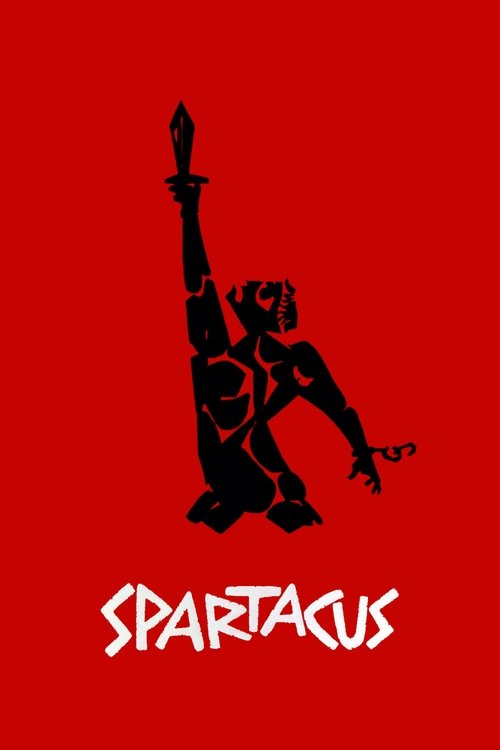
Spartacus
The rebellious Thracian Spartacus, born and raised a slave, is sold to Gladiator trainer Batiatus. After weeks of being trained to kill for the arena, Spartacus turns on his owners and leads the other slaves in rebellion. As the rebels move from town to town, their numbers swell as escaped slaves join their ranks. Under the leadership of Spartacus, they make their way to southern Italy, where they will cross the sea and return to their homes.
Despite its modest budget of $12.0M, Spartacus became a financial success, earning $60.0M worldwide—a 400% return. The film's distinctive approach found its audience, confirming that strong storytelling can transcend budget limitations.
4 Oscars. 12 wins & 11 nominations


Plot Structure
Story beats plotted across runtime


Narrative Arc
Emotional journey through the story's key moments
Story Circle
Blueprint 15-beat structure
Arcplot Score Breakdown
Weighted: Precision (70%) + Arc (15%) + Theme (15%)
Spartacus (1960) showcases meticulously timed dramatic framework, characteristic of Stanley Kubrick's storytelling approach. This structural analysis examines how the film's 15-point plot structure maps to proven narrative frameworks across 3 hours and 17 minutes. With an Arcplot score of 7.3, the film balances conventional beats with creative variation.
Characters
Cast & narrative archetypes

Spartacus
Varinia
Marcus Licinius Crassus
Antoninus
Gracchus
Batiatus
Julius Caesar
Main Cast & Characters
Spartacus
Played by Kirk Douglas
A Thracian slave who leads a massive rebellion against Rome, fighting for freedom and dignity.
Varinia
Played by Jean Simmons
A slave woman who becomes Spartacus' wife and emotional anchor, representing his hope for a better life.
Marcus Licinius Crassus
Played by Laurence Olivier
A wealthy and ambitious Roman general who seeks absolute power and becomes Spartacus' primary antagonist.
Antoninus
Played by Tony Curtis
An educated slave and poet who escapes Crassus to join Spartacus, becoming a loyal friend and ideological ally.
Gracchus
Played by Charles Laughton
A Roman senator who opposes Crassus and supports the common people, using the slave rebellion for political advantage.
Batiatus
Played by Peter Ustinov
A slave trader and owner of the gladiator school where Spartacus is trained, opportunistic but not entirely evil.
Julius Caesar
Played by John Gavin
A young Roman officer under Crassus, observing and learning the ruthless politics that will shape his future.
Structural Analysis
The Status Quo at 2 minutes (1% through the runtime) establishes Spartacus toils in brutal conditions in the Libyan quarries, a slave reduced to an animal, defining his world of complete dehumanization and oppression.. Notably, this early placement immediately immerses viewers in the story world.
The inciting incident occurs at 25 minutes when Spartacus is forced to fight Draba to the death for the entertainment of Roman nobles. Draba refuses to kill Spartacus and attacks the spectators instead, choosing death over complicity, planting the seed of rebellion.. At 13% through the film, this Disruption is delayed, allowing extended setup of the story world. This beat shifts the emotional landscape, launching the protagonist into the central conflict.
The First Threshold at 50 minutes marks the transition into Act II, occurring at 25% of the runtime. This illustrates the protagonist's commitment to Spartacus actively chooses rebellion, leading the gladiators in a violent revolt against their masters at the school. He kills the head trainer and declares they will fight for their freedom, crossing into the world of revolution., moving from reaction to action.
At 99 minutes, the Midpoint arrives at 50% of the runtime—precisely centered, creating perfect narrative symmetry. Structural examination shows that this crucial beat Spartacus's army achieves a major victory and the slave rebellion reaches its peak strength. False victory: they believe they can escape Italy by sea, but political machinations in Rome begin to turn the tide against them., fundamentally raising what's at risk. The emotional intensity shifts, dividing the narrative into clear before-and-after phases.
The Collapse moment at 149 minutes (75% through) represents the emotional nadir. Here, Spartacus's army is utterly defeated in final battle against Crassus. Thousands of slaves are killed or captured. The dream of freedom dies on the battlefield, and Spartacus is taken prisoner, facing certain death., reveals the protagonist at their lowest point. This beat's placement in the final quarter sets up the climactic reversal.
The Second Threshold at 158 minutes initiates the final act resolution at 80% of the runtime. Every slave stands and proclaims "I am Spartacus," refusing to betray their leader. This collective act of defiance represents the true victory: they may die as slaves, but they choose to die as men, with dignity intact., demonstrating the transformation achieved throughout the journey.
Emotional Journey
Spartacus's emotional architecture traces a deliberate progression across 15 carefully calibrated beats.
Narrative Framework
This structural analysis employs a 15-point narrative structure framework that maps key story moments. By mapping Spartacus against these established plot points, we can identify how Stanley Kubrick utilizes or subverts traditional narrative conventions. The plot point approach reveals not only adherence to structural principles but also creative choices that distinguish Spartacus within the history genre.
Stanley Kubrick's Structural Approach
Among the 10 Stanley Kubrick films analyzed on Arcplot, the average structural score is 5.3, showcasing experimental approaches to narrative form. Spartacus represents one of the director's most structurally precise works. For comparative analysis, explore the complete Stanley Kubrick filmography.
Comparative Analysis
Additional history films include The Attacks Of 26/11, Joyeux Noel and Rob Roy. For more Stanley Kubrick analyses, see Eyes Wide Shut, Barry Lyndon and A Clockwork Orange.
Plot Points by Act
Act I
SetupStatus Quo
Spartacus toils in brutal conditions in the Libyan quarries, a slave reduced to an animal, defining his world of complete dehumanization and oppression.
Theme
Batiatus tells Spartacus, "A good body with a mind, that's a rarity," foreshadowing the central theme: freedom requires both physical strength and the will to think for oneself.
Worldbuilding
Spartacus is purchased by Batiatus and brought to the gladiator school at Capua, where we learn the rules of this world: slaves trained to kill for entertainment, a hierarchy of power, and the complete commodification of human life.
Disruption
Spartacus is forced to fight Draba to the death for the entertainment of Roman nobles. Draba refuses to kill Spartacus and attacks the spectators instead, choosing death over complicity, planting the seed of rebellion.
Resistance
Spartacus mourns Draba and debates his place in this world. Varinia shows him kindness and love, and the slaves begin to question their bondage. Spartacus hesitates between accepting his fate and fighting for freedom.
Act II
ConfrontationFirst Threshold
Spartacus actively chooses rebellion, leading the gladiators in a violent revolt against their masters at the school. He kills the head trainer and declares they will fight for their freedom, crossing into the world of revolution.
Mirror World
Spartacus reunites with Varinia in the free slave camp. Their relationship becomes the emotional center representing what they're fighting for: love, dignity, and the right to build a life together.
Premise
The slave army grows powerful, winning battles against Roman forces. Spartacus transforms from gladiator to general, creating a community of freed slaves. The promise of the premise: slaves can defeat Rome and claim freedom.
Midpoint
Spartacus's army achieves a major victory and the slave rebellion reaches its peak strength. False victory: they believe they can escape Italy by sea, but political machinations in Rome begin to turn the tide against them.
Opposition
Crassus assembles Rome's full military might against the slaves. Pirates betray Spartacus, trapping the army in Italy. Internal divisions weaken the rebellion. The antagonists close in from all sides as hope diminishes.
Collapse
Spartacus's army is utterly defeated in final battle against Crassus. Thousands of slaves are killed or captured. The dream of freedom dies on the battlefield, and Spartacus is taken prisoner, facing certain death.
Crisis
Spartacus and surviving slaves face crucifixion. Crassus offers to spare them if they identify Spartacus. In their darkest hour, they must decide whether to betray their leader or die with dignity.
Act III
ResolutionSecond Threshold
Every slave stands and proclaims "I am Spartacus," refusing to betray their leader. This collective act of defiance represents the true victory: they may die as slaves, but they choose to die as men, with dignity intact.
Synthesis
Spartacus is forced to fight Antoninus to the death, then is crucified on the Appian Way. Varinia and their newborn son are freed by Gracchus. The physical rebellion ends, but the idea of freedom survives.
Transformation
Varinia shows their free-born son to the dying Spartacus on the cross, telling the baby, "He was a slave, and he died free." The transformation complete: from slave to father of a free man, achieving immortality through legacy.