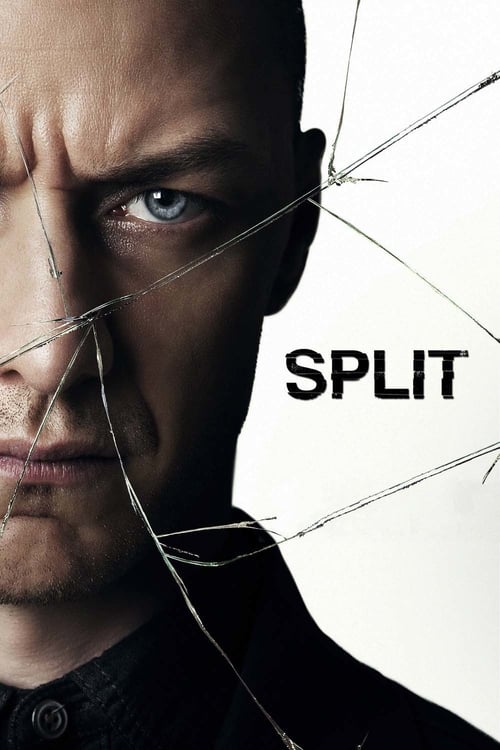
Split
Though Kevin has evidenced 23 personalities to his trusted psychiatrist, Dr. Fletcher, there remains one still submerged who is set to materialize and dominate all the others. Compelled to abduct three teenage girls led by the willful, observant Casey, Kevin reaches a war for survival among all of those contained within him — as well as everyone around him — as the walls between his compartments shatter apart.
Despite its modest budget of $9.0M, Split became a massive hit, earning $278.5M worldwide—a remarkable 2994% return. The film's innovative storytelling found its audience, showing that strong storytelling can transcend budget limitations.
10 wins & 27 nominations


Plot Structure
Story beats plotted across runtime


Narrative Arc
Emotional journey through the story's key moments
Story Circle
Blueprint 15-beat structure
Arcplot Score Breakdown
Weighted: Precision (70%) + Arc (15%) + Theme (15%)
Split (2017) exhibits strategically placed plot construction, characteristic of M. Night Shyamalan's storytelling approach. This structural analysis examines how the film's 15-point plot structure maps to proven narrative frameworks across 1 hour and 57 minutes. With an Arcplot score of 7.1, the film balances conventional beats with creative variation.
Characters
Cast & narrative archetypes

Kevin Wendell Crumb / The Horde
Casey Cooke
Dr. Karen Fletcher
Claire Benoit
Marcia
Main Cast & Characters
Kevin Wendell Crumb / The Horde
Played by James McAvoy
A man with 23 distinct personalities who kidnaps three teenage girls, with a dangerous 24th personality emerging.
Casey Cooke
Played by Anya Taylor-Joy
A withdrawn teenage girl with a traumatic past who becomes the primary captive fighting for survival.
Dr. Karen Fletcher
Played by Betty Buckley
Kevin's compassionate psychiatrist who specializes in dissociative identity disorder and believes in her patient's potential.
Claire Benoit
Played by Haley Lu Richardson
A popular teenager who is kidnapped along with her friend, attempts to maintain control of the situation.
Marcia
Played by Jessica Sula
One of the three kidnapped girls, tries to find ways to escape and survive.
Structural Analysis
The Status Quo at 1 minutes (1% through the runtime) establishes Casey sits apart from her classmates at Claire's birthday party, visibly isolated and uncomfortable. Her outsider status is immediately established as she waits alone for her ride while the other girls celebrate.. Structural examination shows that this early placement immediately immerses viewers in the story world.
The inciting incident occurs at 14 minutes when Dennis, one of Kevin's personalities, sprays the girls with chemicals and abducts them from the parking lot. The ordinary world is shattered as the three teenagers are taken captive.. At 12% through the film, this Disruption aligns precisely with traditional story structure. This beat shifts the emotional landscape, launching the protagonist into the central conflict.
The First Threshold at 29 minutes marks the transition into Act II, occurring at 25% of the runtime. This demonstrates the protagonist's commitment to Casey decides to engage with Hedwig, the child personality, choosing manipulation over force. She crosses into a new strategy by befriending their captor's most vulnerable self, committing to psychological warfare rather than physical resistance., moving from reaction to action.
At 59 minutes, the Midpoint arrives at 50% of the runtime—precisely centered, creating perfect narrative symmetry. Significantly, this crucial beat Dennis reveals to Dr. Fletcher that the personalities are preparing for "The Beast" - a 24th personality with superhuman abilities. The stakes escalate from kidnapping to something potentially supernatural, and the girls' window for escape narrows dramatically., fundamentally raising what's at risk. The emotional intensity shifts, dividing the narrative into clear before-and-after phases.
The Collapse moment at 88 minutes (75% through) represents the emotional nadir. Here, Dr. Fletcher arrives to help but is killed by The Beast, who has finally emerged with superhuman strength and animalistic abilities. Casey's last hope for outside rescue dies with the doctor, and she faces an inhuman predator alone., illustrates the protagonist at their lowest point. This beat's placement in the final quarter sets up the climactic reversal.
The Second Threshold at 94 minutes initiates the final act resolution at 80% of the runtime. Casey uses Kevin's full name to summon his original personality, briefly reaching the broken man beneath the monster. She gains crucial seconds and a weapon, synthesizing her understanding of trauma and identity to fight back., demonstrating the transformation achieved throughout the journey.
Emotional Journey
Split's emotional architecture traces a deliberate progression across 15 carefully calibrated beats.
Narrative Framework
This structural analysis employs structural analysis methodology used to understand storytelling architecture. By mapping Split against these established plot points, we can identify how M. Night Shyamalan utilizes or subverts traditional narrative conventions. The plot point approach reveals not only adherence to structural principles but also creative choices that distinguish Split within the horror genre.
M. Night Shyamalan's Structural Approach
Among the 14 M. Night Shyamalan films analyzed on Arcplot, the average structural score is 7.0, reflecting strong command of classical structure. Split represents one of the director's most structurally precise works. For comparative analysis, explore the complete M. Night Shyamalan filmography.
Comparative Analysis
Additional horror films include Thinner, A Nightmare on Elm Street and Mary Reilly. For more M. Night Shyamalan analyses, see Signs, Unbreakable and The Sixth Sense.
Plot Points by Act
Act I
SetupStatus Quo
Casey sits apart from her classmates at Claire's birthday party, visibly isolated and uncomfortable. Her outsider status is immediately established as she waits alone for her ride while the other girls celebrate.
Theme
Claire's father remarks that Casey is different from the other girls, noting she's been through things they haven't. This establishes the theme that suffering shapes us differently than the untouched.
Worldbuilding
The normal world is established: Casey as an outsider among privileged classmates, the birthday party setting, and Claire's protective father. The contrast between Casey's guarded demeanor and the carefree teenagers sets up the social dynamics that will be tested.
Disruption
Dennis, one of Kevin's personalities, sprays the girls with chemicals and abducts them from the parking lot. The ordinary world is shattered as the three teenagers are taken captive.
Resistance
The girls wake in captivity and encounter different personalities. Casey urges caution while Claire and Marcia want to fight back. Dr. Fletcher is introduced treating Kevin, sensing something is wrong. The debate over whether to resist or comply unfolds.
Act II
ConfrontationFirst Threshold
Casey decides to engage with Hedwig, the child personality, choosing manipulation over force. She crosses into a new strategy by befriending their captor's most vulnerable self, committing to psychological warfare rather than physical resistance.
Mirror World
The first flashback reveals young Casey hunting with her father and uncle, introducing her traumatic backstory. This parallel narrative mirrors Kevin's fractured psyche and establishes that Casey too carries deep wounds that have shaped her survival instincts.
Premise
Casey works to understand and manipulate Kevin's personalities while flashbacks reveal her childhood abuse. Dr. Fletcher investigates her patient's strange behavior. The promise of the premise delivers psychological cat-and-mouse tension as Casey navigates the dangerous identity labyrinth.
Midpoint
Dennis reveals to Dr. Fletcher that the personalities are preparing for "The Beast" - a 24th personality with superhuman abilities. The stakes escalate from kidnapping to something potentially supernatural, and the girls' window for escape narrows dramatically.
Opposition
Escape attempts fail. Claire is taken and killed. Marcia is taken. Dr. Fletcher grows more suspicious but Patricia maintains the facade. Casey's flashbacks reveal the full extent of her uncle's abuse. The Beast's arrival becomes increasingly imminent as hope dwindles.
Collapse
Dr. Fletcher arrives to help but is killed by The Beast, who has finally emerged with superhuman strength and animalistic abilities. Casey's last hope for outside rescue dies with the doctor, and she faces an inhuman predator alone.
Crisis
Casey discovers Dr. Fletcher's body and her dying message revealing Kevin's full name. Alone and hunted, she must process that her friends are dead and she faces an impossible enemy. The darkness before the dawn as she prepares for final confrontation.
Act III
ResolutionSecond Threshold
Casey uses Kevin's full name to summon his original personality, briefly reaching the broken man beneath the monster. She gains crucial seconds and a weapon, synthesizing her understanding of trauma and identity to fight back.
Synthesis
Casey flees through the underground lair, shooting The Beast multiple times. When cornered, The Beast sees her self-harm scars and recognizes her as someone who has suffered. He declares the broken are more evolved and spares her, acknowledging her as pure.
Transformation
Casey is rescued but hesitates when police ask if she's ready to go home to her uncle. Her scars - her suffering - saved her life, but she returns to her abuser. The transformation is ambiguous: survival without liberation, strength without freedom.