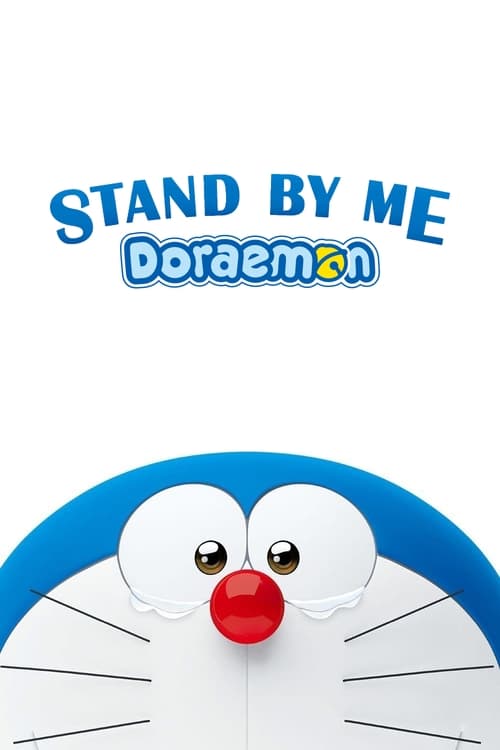
Stand by Me Doraemon
Sewashi and Doraemon find themselves way back in time and meet Nobita. It is up to Doraemon to take care of Nobita or else he will not return to the present.
Despite a respectable budget of $35.0M, Stand by Me Doraemon became a commercial success, earning $83.1M worldwide—a 137% return.


Plot Structure
Story beats plotted across runtime


Narrative Arc
Emotional journey through the story's key moments
Story Circle
Blueprint 15-beat structure
Arcplot Score Breakdown
Weighted: Precision (70%) + Arc (15%) + Theme (15%)
Stand by Me Doraemon (2014) exemplifies carefully calibrated narrative architecture, characteristic of Takashi Yamazaki's storytelling approach. This structural analysis examines how the film's 15-point plot structure maps to proven narrative frameworks across 1 hour and 34 minutes. With an Arcplot score of 7.6, the film showcases strong structural fundamentals.
Structural Analysis
The Status Quo at 1 minutes (1% through the runtime) establishes Nobita is established as a chronic failure - bullied, poor at sports, constantly scolded by his mother, and unable to stand up for himself. His miserable daily life is depicted in rapid succession.. Significantly, this early placement immediately immerses viewers in the story world.
The inciting incident occurs at 11 minutes when Doraemon reveals the future where Nobita marries Jaiko and lives in poverty. This vision of his disastrous future disrupts any complacency and establishes the stakes for change.. At 12% through the film, this Disruption aligns precisely with traditional story structure. This beat shifts the emotional landscape, launching the protagonist into the central conflict.
The First Threshold at 23 minutes marks the transition into Act II, occurring at 24% of the runtime. This indicates the protagonist's commitment to Nobita makes the active choice to genuinely pursue Shizuka's affection and asks Doraemon to help him become someone worthy of her love, rather than just using gadgets for shortcuts., moving from reaction to action.
At 47 minutes, the Midpoint arrives at 50% of the runtime—precisely centered, creating perfect narrative symmetry. Of particular interest, this crucial beat False victory: Nobita successfully proposes to Shizuka in a future timeline, and she accepts. The future seems secured, suggesting Doraemon's mission is complete and he can return home., fundamentally raising what's at risk. The emotional intensity shifts, dividing the narrative into clear before-and-after phases.
The Collapse moment at 71 minutes (76% through) represents the emotional nadir. Here, Nobita is beaten badly by Gian, bloodied and defeated. In his darkest moment, he realizes he's still the same weak person. Doraemon witnesses this and questions whether Nobita can ever truly change. The "death" of Nobita's false confidence., reveals the protagonist at their lowest point. This beat's placement in the final quarter sets up the climactic reversal.
The Second Threshold at 75 minutes initiates the final act resolution at 80% of the runtime. Nobita realizes he must fight Gian again without gadgets to prove he can stand on his own. He gets up despite his injuries and chooses to face his fear independently, synthesizing courage with self-reliance., demonstrating the transformation achieved throughout the journey.
Emotional Journey
Stand by Me Doraemon's emotional architecture traces a deliberate progression across 15 carefully calibrated beats.
Narrative Framework
This structural analysis employs systematic plot point analysis that identifies crucial turning points. By mapping Stand by Me Doraemon against these established plot points, we can identify how Takashi Yamazaki utilizes or subverts traditional narrative conventions. The plot point approach reveals not only adherence to structural principles but also creative choices that distinguish Stand by Me Doraemon within the animation genre.
Takashi Yamazaki's Structural Approach
Among the 5 Takashi Yamazaki films analyzed on Arcplot, the average structural score is 7.0, demonstrating varied approaches to story architecture. Stand by Me Doraemon represents one of the director's most structurally precise works. For comparative analysis, explore the complete Takashi Yamazaki filmography.
Comparative Analysis
Additional animation films include The Bad Guys, The Quintessential Quintuplets Movie and Fate/stay night: Heaven's Feel I. Presage Flower. For more Takashi Yamazaki analyses, see Godzilla Minus One, The Eternal Zero and Juvenile.
Plot Points by Act
Act I
SetupStatus Quo
Nobita is established as a chronic failure - bullied, poor at sports, constantly scolded by his mother, and unable to stand up for himself. His miserable daily life is depicted in rapid succession.
Theme
Sewashi tells Nobita that his future descendant sent Doraemon because "you have to change your own destiny." The theme of self-reliance and taking responsibility for one's future is stated.
Worldbuilding
Establishment of Nobita's failed life, his future leading to poverty, Doraemon's arrival from the future with his gadgets, and the mission to ensure Nobita marries Shizuka instead of Jaiko to change his descendants' fate.
Disruption
Doraemon reveals the future where Nobita marries Jaiko and lives in poverty. This vision of his disastrous future disrupts any complacency and establishes the stakes for change.
Resistance
Doraemon reluctantly agrees to help Nobita using various gadgets to solve immediate problems. Nobita resists genuine effort, preferring quick fixes. Doraemon teaches lessons about consequences while Nobita slowly develops feelings for Shizuka.
Act II
ConfrontationFirst Threshold
Nobita makes the active choice to genuinely pursue Shizuka's affection and asks Doraemon to help him become someone worthy of her love, rather than just using gadgets for shortcuts.
Mirror World
Shizuka is firmly established as the thematic mirror - she represents the kind, patient acceptance that Nobita needs, and their developing relationship becomes the emotional core that will teach Nobita about selflessness and growth.
Premise
The "fun and games" of Doraemon's gadgets helping Nobita in various adventures - impressing Shizuka, dealing with Gian and Suneo, time travel adventures, and gradually building a genuine friendship between Nobita and Shizuka through shared experiences.
Midpoint
False victory: Nobita successfully proposes to Shizuka in a future timeline, and she accepts. The future seems secured, suggesting Doraemon's mission is complete and he can return home.
Opposition
Doraemon prepares to leave, but Nobita realizes he's become completely dependent on Doraemon and hasn't truly changed. His own weakness and inability to stand on his own threatens everything. Nobita must prove he can survive without Doraemon.
Collapse
Nobita is beaten badly by Gian, bloodied and defeated. In his darkest moment, he realizes he's still the same weak person. Doraemon witnesses this and questions whether Nobita can ever truly change. The "death" of Nobita's false confidence.
Crisis
Nobita lies in bed recovering, confronting his fundamental weakness. He experiences deep despair about his inability to change and fear of losing both Doraemon and Shizuka. Dark night of self-doubt and reckoning.
Act III
ResolutionSecond Threshold
Nobita realizes he must fight Gian again without gadgets to prove he can stand on his own. He gets up despite his injuries and chooses to face his fear independently, synthesizing courage with self-reliance.
Synthesis
Nobita fights Gian repeatedly, getting knocked down but standing back up each time without help. Through sheer determination, he proves his growth. Doraemon leaves, satisfied. Years pass, showing Nobita's continued growth leading to his wedding with Shizuka.
Transformation
Nobita stands confidently at his wedding with Shizuka, transformed from the crying, dependent child into a self-reliant adult. Doraemon watches from afar with pride. The final image mirrors the opening but shows complete transformation.