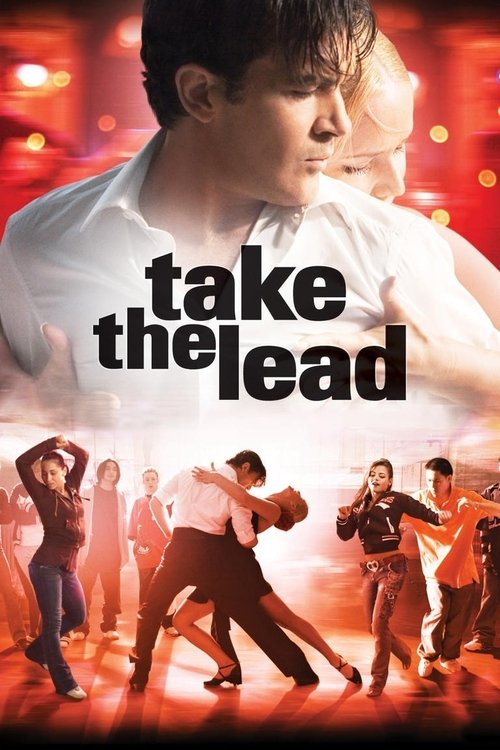
Take the Lead
A former professional dancer volunteers to teach dance in the New York public school system and, while his background first clashes with his students' tastes, together they create a completely new style of dance. Based on the story of ballroom dancer, Pierre Dulane.
Despite a moderate budget of $30.0M, Take the Lead became a commercial success, earning $65.7M worldwide—a 119% return.
1 win & 6 nominations


Plot Structure
Story beats plotted across runtime


Narrative Arc
Emotional journey through the story's key moments
Story Circle
Blueprint 15-beat structure
Arcplot Score Breakdown
Weighted: Precision (70%) + Arc (15%) + Theme (15%)
Take the Lead (2006) exemplifies meticulously timed plot construction, characteristic of Liz Friedlander's storytelling approach. This structural analysis examines how the film's 15-point plot structure maps to proven narrative frameworks across 1 hour and 58 minutes. With an Arcplot score of 7.3, the film balances conventional beats with creative variation.
Characters
Cast & narrative archetypes

Pierre Dulaine
Rock
LaRhette
Caitlin
Augustine James
Monster
Danjou
Ramos
Main Cast & Characters
Pierre Dulaine
Played by Antonio Banderas
A professional ballroom dancer who volunteers to teach dance at an inner-city detention class, believing in transformation through discipline and artistry.
Rock
Played by Rob Brown
A talented but rebellious student leader who initially resists ballroom dancing but discovers unexpected connection to the art form.
LaRhette
Played by Yaya DaCosta
A strong-willed and outspoken student with attitude who gradually opens up to dance and self-expression.
Caitlin
Played by Lauren Collins
A privileged student from Pierre's regular studio who becomes involved with the detention class and faces her own prejudices.
Augustine James
Played by Alfre Woodard
The skeptical principal of the high school who doubts Pierre's methods but eventually sees the value in his program.
Monster
Played by Brandon Andrews
A tough student with a protective exterior who struggles with expressing vulnerability through dance.
Danjou
Played by Dante Basco
A student in the detention class who finds confidence and purpose through ballroom dancing.
Ramos
Played by Jenna Dewan
A streetwise student who initially mocks the program but becomes invested in the competition.
Structural Analysis
The Status Quo at 1 minutes (1% through the runtime) establishes Pierre Dulaine elegantly teaching ballroom dancing in his upscale Manhattan studio, embodying refinement and classical discipline. The polished world of formal dance contrasts sharply with the urban chaos he'll soon encounter.. Significantly, this early placement immediately immerses viewers in the story world.
The inciting incident occurs at 13 minutes when Pierre witnesses a student vandalizing Principal Augustine's car. Instead of walking away, he reports it to the school, setting in motion his involvement with the detention program. His orderly world is disrupted by urban reality.. At 11% through the film, this Disruption aligns precisely with traditional story structure. This beat shifts the emotional landscape, launching the protagonist into the central conflict.
The First Threshold at 28 minutes marks the transition into Act II, occurring at 24% of the runtime. This indicates the protagonist's commitment to Pierre makes the active choice to blend ballroom with the students' hip-hop culture, accepting their world rather than forcing his upon them. He commits fully to the experiment, irreversibly entering their world and adapting his methods., moving from reaction to action.
At 59 minutes, the Midpoint arrives at 50% of the runtime—precisely centered, creating perfect narrative symmetry. Structural examination shows that this crucial beat False victory: The students perform successfully at an exhibition, receiving applause and recognition. They've proven themselves capable. Stakes rise as they're invited to compete in the formal citywide ballroom competition - but can they survive in that elite world?., fundamentally raising what's at risk. The emotional intensity shifts, dividing the narrative into clear before-and-after phases.
The Collapse moment at 87 minutes (74% through) represents the emotional nadir. Here, Rock gets shot in street violence, the metaphorical "death" that devastates the group. The dream seems impossible - the streets claim their own. Students want to quit, questioning whether any of this matters when real-world violence trumps ballroom elegance., illustrates the protagonist at their lowest point. This beat's placement in the final quarter sets up the climactic reversal.
The Second Threshold at 94 minutes initiates the final act resolution at 80% of the runtime. Synthesis moment: The students realize dancing isn't about escaping their world but transforming it - bringing dignity to where they are. They choose to compete not despite Rock's death but because of it, honoring him by proving their worth. Pierre's discipline merges with their resilience., demonstrating the transformation achieved throughout the journey.
Emotional Journey
Take the Lead's emotional architecture traces a deliberate progression across 15 carefully calibrated beats.
Narrative Framework
This structural analysis employs structural analysis methodology used to understand storytelling architecture. By mapping Take the Lead against these established plot points, we can identify how Liz Friedlander utilizes or subverts traditional narrative conventions. The plot point approach reveals not only adherence to structural principles but also creative choices that distinguish Take the Lead within the drama genre.
Comparative Analysis
Additional drama films include After Thomas, South Pacific and Dirty Dancing: Havana Nights.
Plot Points by Act
Act I
SetupStatus Quo
Pierre Dulaine elegantly teaching ballroom dancing in his upscale Manhattan studio, embodying refinement and classical discipline. The polished world of formal dance contrasts sharply with the urban chaos he'll soon encounter.
Theme
Principal Augustine tells Pierre, "These kids don't want to learn - they don't believe in anything." The theme is stated: Can discipline, respect, and tradition reach young people who've been written off by society?
Worldbuilding
Establishing Pierre's refined world and the harsh reality of the inner-city high school. We meet the detention students - Rock, LaRhette, Monster, Danjou, Kurd - each trapped in their circumstances, facing violence, poverty, and low expectations.
Disruption
Pierre witnesses a student vandalizing Principal Augustine's car. Instead of walking away, he reports it to the school, setting in motion his involvement with the detention program. His orderly world is disrupted by urban reality.
Resistance
Pierre volunteers to teach ballroom dancing to detention students. Initial resistance is massive - the students mock him, refuse to participate, and openly rebel. Pierre debates whether he can reach them, facing hostility from both students and skeptical faculty.
Act II
ConfrontationFirst Threshold
Pierre makes the active choice to blend ballroom with the students' hip-hop culture, accepting their world rather than forcing his upon them. He commits fully to the experiment, irreversibly entering their world and adapting his methods.
Mirror World
LaRhette emerges as Pierre's thematic mirror - a talented student hungry for respect and opportunity. Their growing mutual respect embodies the theme: transformation through discipline, trust, and seeing past surfaces to potential.
Premise
The "fun and games" of watching ballroom and hip-hop merge. Students gradually engage, learning partnering, respect, and teamwork through dance. Small victories: Rock partners with Kurd, Monster finds grace, relationships form. The promise of transformation unfolds.
Midpoint
False victory: The students perform successfully at an exhibition, receiving applause and recognition. They've proven themselves capable. Stakes rise as they're invited to compete in the formal citywide ballroom competition - but can they survive in that elite world?
Opposition
Pressure intensifies from all sides. Street violence threatens the students, the school board challenges the program's legitimacy, elite competitors mock them, and internal conflicts erupt. Rock's gang ties pull him back, LaRhette faces romantic complications, Monster struggles with vulnerability.
Collapse
Rock gets shot in street violence, the metaphorical "death" that devastates the group. The dream seems impossible - the streets claim their own. Students want to quit, questioning whether any of this matters when real-world violence trumps ballroom elegance.
Crisis
Dark night processing the loss. Pierre and the students confront whether dignity, respect, and art matter in a world of violence and poverty. They grieve, doubt, and face the question of whether to honor Rock by continuing or abandoning the dream.
Act III
ResolutionSecond Threshold
Synthesis moment: The students realize dancing isn't about escaping their world but transforming it - bringing dignity to where they are. They choose to compete not despite Rock's death but because of it, honoring him by proving their worth. Pierre's discipline merges with their resilience.
Synthesis
The finale at the ballroom competition. The detention students perform with grace, power, and fusion of styles. They face elite competitors with dignity. Whether they win the trophy matters less than winning respect - for themselves and each other. Transformation realized through action.
Transformation
Mirror to opening: Pierre watches his students dance with confidence and mutual respect, no longer detention kids but artists and partners. The refined and the raw have merged. They've proven that respect, discipline, and potential exist everywhere - you just have to see it.