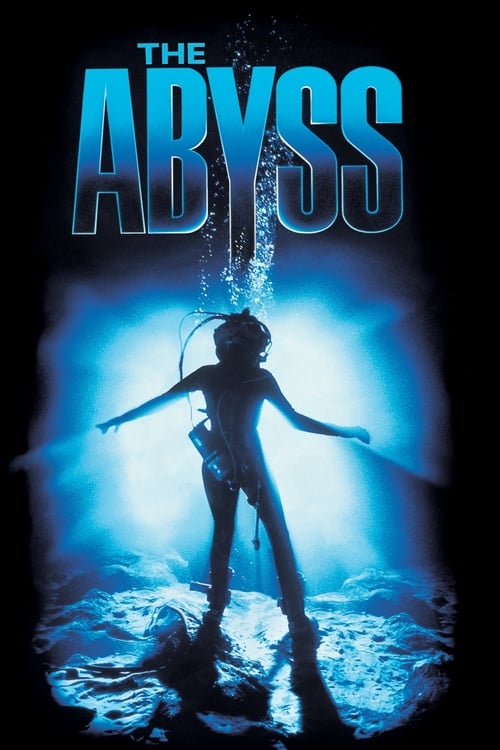
The Abyss
A civilian oil rig crew is recruited to conduct a search and rescue effort when a nuclear submarine mysteriously sinks. One diver soon finds himself on a spectacular odyssey 25,000 feet below the ocean's surface where he confronts a mysterious force that has the power to change the world or destroy it.
Despite a moderate budget of $43.0M, The Abyss became a solid performer, earning $90.0M worldwide—a 109% return.
1 Oscar. 9 wins & 16 nominations


Plot Structure
Story beats plotted across runtime


Narrative Arc
Emotional journey through the story's key moments
Story Circle
Blueprint 15-beat structure
Arcplot Score Breakdown
Weighted: Precision (70%) + Arc (15%) + Theme (15%)
The Abyss (1989) showcases strategically placed narrative design, characteristic of James Cameron's storytelling approach. This structural analysis examines how the film's 15-point plot structure maps to proven narrative frameworks across 2 hours and 20 minutes. With an Arcplot score of 7.3, the film balances conventional beats with creative variation.
Characters
Cast & narrative archetypes

Virgil "Bud" Brigman
Lindsey Brigman
Lt. Hiram Coffey
Catfish De Vries
Jammer Willis
Alan "Hippy" Carnes
Lisa "One Night" Standing
Main Cast & Characters
Virgil "Bud" Brigman
Played by Ed Harris
Civilian oil rig foreman leading a deep-sea rescue mission while confronting his estranged wife and unknown alien presence.
Lindsey Brigman
Played by Mary Elizabeth Mastrantonio
Brilliant engineer and Bud's estranged wife who designed the underwater habitat, driven and emotionally intense.
Lt. Hiram Coffey
Played by Michael Biehn
Paranoid Navy SEAL commander who becomes unhinged under pressure, viewing the aliens as a threat to national security.
Catfish De Vries
Played by Leo Burmester
Easy-going crew member and Bud's loyal friend who provides comic relief and steady support.
Jammer Willis
Played by John Bedford Lloyd
Young, nervous crew member who struggles with claustrophobia and the mounting pressure of the crisis.
Alan "Hippy" Carnes
Played by Todd Graff
Conspiracy theorist and electronics expert obsessed with UFOs, who turns out to be right about alien life.
Lisa "One Night" Standing
Played by Kimberly Scott
Tough, capable female crew member who holds her own in the male-dominated rig environment.
Structural Analysis
The Status Quo at 1 minutes (1% through the runtime) establishes The USS Montana submarine patrols deep waters, establishing a world of cold war tension and technological isolation beneath the ocean surface.. Notably, this early placement immediately immerses viewers in the story world.
The inciting incident occurs at 17 minutes when The Navy commandeers Deepcore for a rescue mission to the sunken Montana, forcing Bud's crew into a dangerous military operation—and bringing Lindsey aboard, disrupting both the mission and Bud's emotional equilibrium.. At 12% through the film, this Disruption aligns precisely with traditional story structure. This beat shifts the emotional landscape, launching the protagonist into the central conflict.
The First Threshold at 35 minutes marks the transition into Act II, occurring at 25% of the runtime. This demonstrates the protagonist's commitment to The crane cable snaps during the hurricane, dragging Deepcore to the edge of the abyss. Cut off from the surface with limited air and power, Bud commits the crew to completing the mission—there's no going back., moving from reaction to action.
At 70 minutes, the Midpoint arrives at 50% of the runtime—precisely centered, creating perfect narrative symmetry. Notably, this crucial beat Coffey, suffering from high-pressure nervous syndrome, arms a nuclear warhead to destroy the NTIs. The threat shifts from external mystery to human madness—false defeat as the real enemy reveals itself within their own ranks., fundamentally raising what's at risk. The emotional intensity shifts, dividing the narrative into clear before-and-after phases.
The Collapse moment at 105 minutes (75% through) represents the emotional nadir. Here, Lindsey deliberately drowns herself so Bud can tow her back to Deepcore for revival, gambling her life on his love. The "whiff of death" becomes literal as Bud performs desperate CPR on his wife's lifeless body, screaming at her to fight., illustrates the protagonist at their lowest point. This beat's placement in the final quarter sets up the climactic reversal.
The Second Threshold at 112 minutes initiates the final act resolution at 80% of the runtime. Bud volunteers to dive using experimental liquid-breathing fluid, typing his goodbye to Lindsey: "Knew this was one-way ticket, but you know I had to come." He chooses love over fear, synthesizing courage and vulnerability., demonstrating the transformation achieved throughout the journey.
Emotional Journey
The Abyss's emotional architecture traces a deliberate progression across 15 carefully calibrated beats.
Narrative Framework
This structural analysis employs a 15-point narrative structure framework that maps key story moments. By mapping The Abyss against these established plot points, we can identify how James Cameron utilizes or subverts traditional narrative conventions. The plot point approach reveals not only adherence to structural principles but also creative choices that distinguish The Abyss within the adventure genre.
James Cameron's Structural Approach
Among the 8 James Cameron films analyzed on Arcplot, the average structural score is 5.9, showcasing experimental approaches to narrative form. The Abyss represents one of the director's most structurally precise works. For comparative analysis, explore the complete James Cameron filmography.
Comparative Analysis
Additional adventure films include The Black Stallion, The Bad Guys and Puss in Boots. For more James Cameron analyses, see True Lies, Titanic and Avatar.
Plot Points by Act
Act I
SetupStatus Quo
The USS Montana submarine patrols deep waters, establishing a world of cold war tension and technological isolation beneath the ocean surface.
Theme
When discussing the crew's mission, a character remarks about keeping your head when everything's going crazy—foreshadowing the film's exploration of how love and trust sustain us through impossible circumstances.
Worldbuilding
We meet the Deepcore drilling crew led by Bud Brigman, establishing their camaraderie, the hostile underwater environment, and Bud's estranged relationship with designer Lindsey. The submarine Montana mysteriously sinks after encountering something unknown.
Disruption
The Navy commandeers Deepcore for a rescue mission to the sunken Montana, forcing Bud's crew into a dangerous military operation—and bringing Lindsey aboard, disrupting both the mission and Bud's emotional equilibrium.
Resistance
Lt. Coffey's SEAL team arrives with Lindsey. Tension builds between military protocol and civilian crew dynamics. The team debates the dangerous descent as a hurricane approaches topside, trapping them below. Bud and Lindsey's bitter history surfaces through sharp conflict.
Act II
ConfrontationFirst Threshold
The crane cable snaps during the hurricane, dragging Deepcore to the edge of the abyss. Cut off from the surface with limited air and power, Bud commits the crew to completing the mission—there's no going back.
Mirror World
Lindsey encounters a luminous NTI (non-terrestrial intelligence) for the first time. Her wonder and openness to the unknown contrasts with military fear, establishing the thematic Mirror World: connection versus destruction, trust versus paranoia.
Premise
The crew explores the Montana wreckage, encounters the mysterious NTIs, and marvels at their bioluminescent technology. Lindsey becomes an advocate for peaceful contact while Coffey's paranoia deepens. Bud and Lindsey's relationship begins thawing as they face wonders and dangers together.
Midpoint
Coffey, suffering from high-pressure nervous syndrome, arms a nuclear warhead to destroy the NTIs. The threat shifts from external mystery to human madness—false defeat as the real enemy reveals itself within their own ranks.
Opposition
Coffey takes hostages and deploys the warhead into the abyss. Bud and crew fight to stop him. A violent submersible chase ends with Coffey's death, but the warhead sinks toward the NTI city. Time runs out as the bomb descends beyond safe diving depth.
Collapse
Lindsey deliberately drowns herself so Bud can tow her back to Deepcore for revival, gambling her life on his love. The "whiff of death" becomes literal as Bud performs desperate CPR on his wife's lifeless body, screaming at her to fight.
Crisis
After Lindsey's miraculous revival, the crew faces the impossible: someone must dive to crushing depths to disarm the warhead. It's a one-way trip. The dark night of the soul as Bud prepares for certain death.
Act III
ResolutionSecond Threshold
Bud volunteers to dive using experimental liquid-breathing fluid, typing his goodbye to Lindsey: "Knew this was one-way ticket, but you know I had to come." He chooses love over fear, synthesizing courage and vulnerability.
Synthesis
Bud descends into the abyss, disarms the warhead, and accepts his death. The NTIs rescue him, revealing their vast underwater civilization. They show humanity images of its own violence before choosing mercy—lifting Deepcore to the surface as a gesture of hope and connection.
Transformation
Bud and Lindsey reunite on the risen alien platform, embracing in sunlight. The estranged couple, transformed by sacrifice and trust, are together again—mirroring the opening's cold isolation with warmth, love, and open sky.