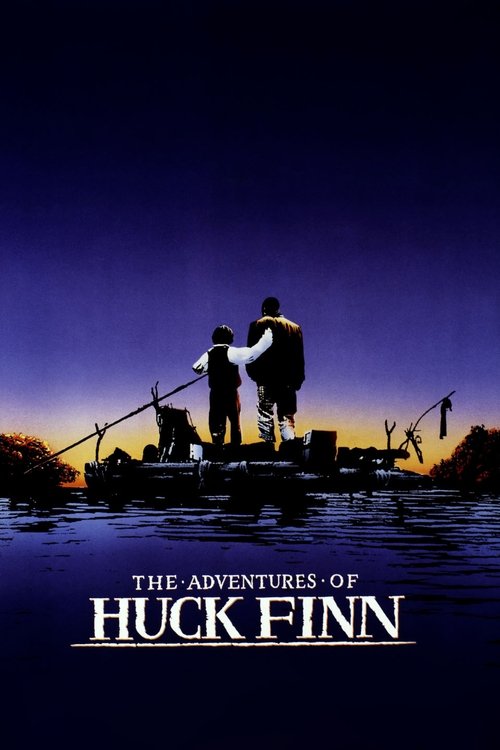
The Adventures of Huck Finn
Mischievous Huck Finn is unnerved when his father, reemerging after years away, kidnaps him in an attempt to take away a $600 inheritance from his late mother. Fearing for his life, Huck fakes his own death and escapes. He soon runs into his friend, Jim, a slave fleeing his master. Together, the pair embarks on a raft journey down the Mississippi River, staying ahead of pursuers who blame the slave for Huck's alleged murder.
Despite its small-scale budget of $6.5M, The Adventures of Huck Finn became a solid performer, earning $24.1M worldwide—a 271% return. The film's unconventional structure found its audience, showing that strong storytelling can transcend budget limitations.


Plot Structure
Story beats plotted across runtime


Narrative Arc
Emotional journey through the story's key moments
Story Circle
Blueprint 15-beat structure
Arcplot Score Breakdown
Weighted: Precision (70%) + Arc (15%) + Theme (15%)
The Adventures of Huck Finn (1993) exhibits precise narrative design, characteristic of Stephen Sommers's storytelling approach. This structural analysis examines how the film's 15-point plot structure maps to proven narrative frameworks across 1 hour and 48 minutes. With an Arcplot score of 7.3, the film balances conventional beats with creative variation.
Characters
Cast & narrative archetypes

Huckleberry Finn
Jim
The Duke
The King
Pap Finn
Widow Douglas
Tom Sawyer
Main Cast & Characters
Huckleberry Finn
Played by Elijah Wood
A free-spirited boy escaping his abusive father who rafts down the Mississippi with escaped slave Jim, learning about morality and friendship.
Jim
Played by Courtney B. Vance
An escaped slave seeking freedom who becomes Huck's companion and moral guide on their Mississippi River journey.
The Duke
Played by Robbie Coltrane
A con man who claims to be royalty and schemes his way down the river, exploiting others for profit.
The King
Played by Jason Robards
A theatrical con artist partner to the Duke who poses as various characters to swindle unsuspecting victims.
Pap Finn
Played by Ron Perlman
Huck's alcoholic, abusive father who represents the worst of civilized society despite being an outcast.
Widow Douglas
Played by Dana Ivey
A kind woman who takes Huck in and tries to "sivilize" him with education and religious instruction.
Tom Sawyer
Played by Jonathan Taylor Thomas
Huck's adventurous friend who loves elaborate schemes and romantic notions of adventure.
Structural Analysis
The Status Quo at 2 minutes (2% through the runtime) establishes Huck Finn lives with the Widow Douglas and Miss Watson, confined by civilized society's rules - wearing proper clothes, attending school, and learning manners. He feels trapped and yearns for freedom.. Structural examination shows that this early placement immediately immerses viewers in the story world.
The inciting incident occurs at 12 minutes when Pap kidnaps Huck and takes him to a cabin in the woods, holding him prisoner. Huck is removed from civilized society by force and faces real danger from his abusive father.. At 11% through the film, this Disruption aligns precisely with traditional story structure. This beat shifts the emotional landscape, launching the protagonist into the central conflict.
The First Threshold at 25 minutes marks the transition into Act II, occurring at 24% of the runtime. This indicates the protagonist's commitment to Huck actively chooses to escape, stages his own murder, and flees to Jackson's Island. This is his deliberate decision to leave civilization behind and forge his own path to freedom., moving from reaction to action.
At 53 minutes, the Midpoint arrives at 49% of the runtime—precisely centered, creating perfect narrative symmetry. Of particular interest, this crucial beat The Duke and King betray Jim, selling him for reward money. What seemed like a journey to freedom becomes a devastating loss. The fun and games on the river are over; Huck must now choose between society's laws and his conscience., fundamentally raising what's at risk. The emotional intensity shifts, dividing the narrative into clear before-and-after phases.
The Collapse moment at 80 minutes (75% through) represents the emotional nadir. Here, During the escape attempt, Jim is recaptured or Tom is shot, creating the darkest moment. Everything seems lost - Jim will be returned to slavery, and Huck's efforts to save his friend appear futile. The "death" of hope and innocence., reveals the protagonist at their lowest point. This beat's placement in the final quarter sets up the climactic reversal.
The Second Threshold at 86 minutes initiates the final act resolution at 79% of the runtime. Huck learns that Jim has actually been freed (Miss Watson died and freed him in her will) or Huck makes the final moral choice to free Jim regardless of consequences. The synthesis of his river-learned values with decisive action., demonstrating the transformation achieved throughout the journey.
Emotional Journey
The Adventures of Huck Finn's emotional architecture traces a deliberate progression across 15 carefully calibrated beats.
Narrative Framework
This structural analysis employs a 15-point narrative structure framework that maps key story moments. By mapping The Adventures of Huck Finn against these established plot points, we can identify how Stephen Sommers utilizes or subverts traditional narrative conventions. The plot point approach reveals not only adherence to structural principles but also creative choices that distinguish The Adventures of Huck Finn within the adventure genre.
Stephen Sommers's Structural Approach
Among the 7 Stephen Sommers films analyzed on Arcplot, the average structural score is 7.0, demonstrating varied approaches to story architecture. The Adventures of Huck Finn represents one of the director's most structurally precise works. For comparative analysis, explore the complete Stephen Sommers filmography.
Comparative Analysis
Additional adventure films include The Black Stallion, The Bad Guys and Puss in Boots. For more Stephen Sommers analyses, see The Mummy, Van Helsing and The Jungle Book.
Plot Points by Act
Act I
SetupStatus Quo
Huck Finn lives with the Widow Douglas and Miss Watson, confined by civilized society's rules - wearing proper clothes, attending school, and learning manners. He feels trapped and yearns for freedom.
Theme
Jim or another character speaks about what it means to be truly free versus following society's expectations, foreshadowing Huck's journey of moral awakening about slavery and human dignity.
Worldbuilding
Establishment of St. Petersburg society, Huck's relationship with Tom Sawyer, introduction to Jim as Miss Watson's slave, and Huck's struggle with civilization. Pap Finn returns to claim Huck and his fortune.
Disruption
Pap kidnaps Huck and takes him to a cabin in the woods, holding him prisoner. Huck is removed from civilized society by force and faces real danger from his abusive father.
Resistance
Huck endures Pap's abuse and debates his options. He plans his escape, faking his own death to ensure no one will follow him. He grapples with what freedom really means and where to go.
Act II
ConfrontationFirst Threshold
Huck actively chooses to escape, stages his own murder, and flees to Jackson's Island. This is his deliberate decision to leave civilization behind and forge his own path to freedom.
Mirror World
Huck discovers Jim on Jackson's Island, who has run away after hearing he will be sold down river. Their partnership begins - a relationship that will teach Huck about humanity, friendship, and moral courage beyond society's racist rules.
Premise
Huck and Jim travel down the Mississippi River on a raft, experiencing adventures including encounters with con men (the Duke and the King), close calls with bounty hunters, and moments of genuine friendship. The promise of the premise: freedom on the river.
Midpoint
The Duke and King betray Jim, selling him for reward money. What seemed like a journey to freedom becomes a devastating loss. The fun and games on the river are over; Huck must now choose between society's laws and his conscience.
Opposition
Huck learns Jim is being held at the Phelps farm. He struggles with his conscience - society says turning in a runaway slave is right, but his heart says Jim is his friend. Tom Sawyer appears and complications intensify.
Collapse
During the escape attempt, Jim is recaptured or Tom is shot, creating the darkest moment. Everything seems lost - Jim will be returned to slavery, and Huck's efforts to save his friend appear futile. The "death" of hope and innocence.
Crisis
Huck faces his dark night of the soul, believing he has failed Jim and wrestling with his decision. He processes what this journey has taught him about right and wrong.
Act III
ResolutionSecond Threshold
Huck learns that Jim has actually been freed (Miss Watson died and freed him in her will) or Huck makes the final moral choice to free Jim regardless of consequences. The synthesis of his river-learned values with decisive action.
Synthesis
The finale resolves Jim's freedom and Huck's fate. Huck must decide whether to return to civilization or continue seeking freedom. The various plot threads are resolved.
Transformation
Huck rejects returning to civilization with Aunt Sally, declaring he must "light out for the Territory." Unlike the opening where he was passively trapped, he now actively chooses freedom, transformed by his journey with Jim into someone who follows his own moral compass.