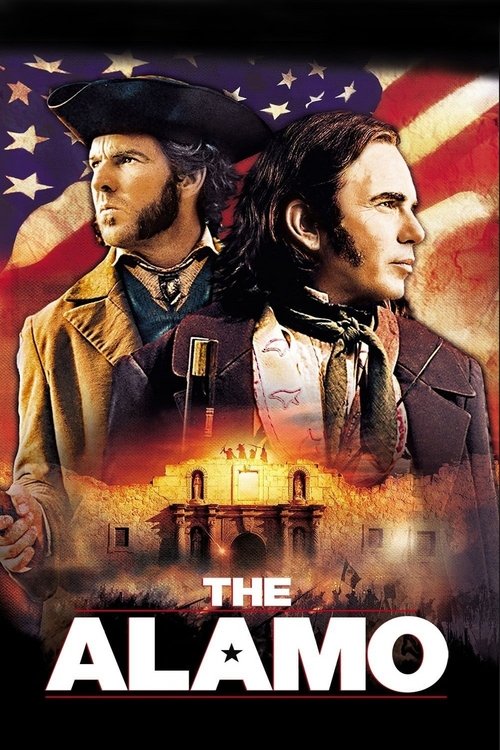
The Alamo
Based on the 1836 standoff between a group of Texan and Tejano men, led by Davy Crockett and Jim Bowie, and Mexican dictator Santa Anna's forces at the Alamo in San Antonio, Texas.
The film box office disappointment against its significant budget of $107.0M, earning $25.8M globally (-76% loss). While initial box office returns were modest, the film has gained appreciation for its fresh perspective within the history genre.


Plot Structure
Story beats plotted across runtime


Narrative Arc
Emotional journey through the story's key moments
Story Circle
Blueprint 15-beat structure
Arcplot Score Breakdown
Weighted: Precision (70%) + Arc (15%) + Theme (15%)
The Alamo (2004) demonstrates deliberately positioned narrative architecture, characteristic of John Lee Hancock's storytelling approach. This structural analysis examines how the film's 15-point plot structure maps to proven narrative frameworks across 2 hours and 17 minutes. With an Arcplot score of 7.1, the film balances conventional beats with creative variation.
Characters
Cast & narrative archetypes

Sam Houston
William Barret Travis
David Crockett
James Bowie
Juan Seguin
Antonio López de Santa Anna
Susanna Dickinson
Main Cast & Characters
Sam Houston
Played by Dennis Quaid
Commander of the Texas Army, pragmatic leader who counsels retreat while others choose to make a stand at the Alamo.
William Barret Travis
Played by Patrick Wilson
Young, ambitious commander of the Alamo garrison who insists on holding the fort despite overwhelming odds.
David Crockett
Played by Billy Bob Thornton
Legendary frontiersman and former congressman who joins the Alamo defenders, providing wisdom and folk heroism.
James Bowie
Played by Jason Patric
Legendary knife fighter and land speculator, co-commander at the Alamo who becomes bedridden with illness.
Juan Seguin
Played by Jordi Mollà
Tejano captain and political leader who fights alongside the Texans and escapes to seek reinforcements.
Antonio López de Santa Anna
Played by Emilio Echevarría
President and general of Mexico, commanding the army besieging the Alamo with overwhelming force.
Susanna Dickinson
Played by Laura Clifton
Wife of defender Almaron Dickinson, one of the few survivors who witnesses the fall of the Alamo.
Structural Analysis
The Status Quo at 1 minutes (1% through the runtime) establishes Opening with Sam Houston in disgrace, drunk and alone after political defeat. We see a fragmented Texas territory with settlers uncertain of their future, establishing the precarious state of the fledgling republic before the coming storm.. The analysis reveals that this early placement immediately immerses viewers in the story world.
The inciting incident occurs at 16 minutes when Word arrives that General Santa Anna is marching north with a massive Mexican army to crush the Texas rebellion. The distant threat becomes immediate reality, forcing the defenders to prepare for a confrontation they cannot avoid.. At 12% through the film, this Disruption aligns precisely with traditional story structure. This beat shifts the emotional landscape, launching the protagonist into the central conflict.
The First Threshold at 34 minutes marks the transition into Act II, occurring at 25% of the runtime. This shows the protagonist's commitment to Santa Anna's army arrives and surrounds the Alamo. The Mexicans raise a blood-red flag signaling no quarter will be given. The defenders make their choice to stay and fight despite impossible odds, crossing the point of no return., moving from reaction to action.
At 69 minutes, the Midpoint arrives at 50% of the runtime—precisely centered, creating perfect narrative symmetry. Of particular interest, this crucial beat Travis draws a line in the sand, asking all who will stay to cross it. This symbolic moment crystallizes their commitment. It's a false victory of spirit - they've unified in purpose, but this seals their fate. No reinforcements are coming. They know they will die., fundamentally raising what's at risk. The emotional intensity shifts, dividing the narrative into clear before-and-after phases.
The Collapse moment at 103 minutes (75% through) represents the emotional nadir. Here, The final night before the assault. The defenders face the certainty of death. Bowie, too sick to stand, is carried to his cot with pistols. Travis writes a final letter to his son. Crockett quietly contemplates his mortality. The whiff of death becomes its certainty., illustrates the protagonist at their lowest point. This beat's placement in the final quarter sets up the climactic reversal.
The Second Threshold at 110 minutes initiates the final act resolution at 80% of the runtime. Dawn breaks and the Mexican assault begins. Rather than despair, the defenders rise to meet their fate with courage. Travis shouts encouragement as he runs to the walls. They've transformed fear into resolve, choosing how they will die and what their deaths will mean., demonstrating the transformation achieved throughout the journey.
Emotional Journey
The Alamo's emotional architecture traces a deliberate progression across 15 carefully calibrated beats.
Narrative Framework
This structural analysis employs a 15-point narrative structure framework that maps key story moments. By mapping The Alamo against these established plot points, we can identify how John Lee Hancock utilizes or subverts traditional narrative conventions. The plot point approach reveals not only adherence to structural principles but also creative choices that distinguish The Alamo within the history genre.
John Lee Hancock's Structural Approach
Among the 6 John Lee Hancock films analyzed on Arcplot, the average structural score is 7.0, reflecting strong command of classical structure. The Alamo represents one of the director's most structurally precise works. For comparative analysis, explore the complete John Lee Hancock filmography.
Comparative Analysis
Additional history films include The Attacks Of 26/11, Joyeux Noel and Rob Roy. For more John Lee Hancock analyses, see The Little Things, Saving Mr. Banks and The Founder.
Plot Points by Act
Act I
SetupStatus Quo
Opening with Sam Houston in disgrace, drunk and alone after political defeat. We see a fragmented Texas territory with settlers uncertain of their future, establishing the precarious state of the fledgling republic before the coming storm.
Theme
Davy Crockett reflects on the nature of reputation versus reality, stating that a man's legend can become a burden he must live up to. This introduces the central theme: the gap between myth and the human beings who become legends through sacrifice.
Worldbuilding
Establishment of Texas in 1836 on the brink of revolution. We meet the key players: Sam Houston organizing the resistance, James Bowie as a frontier legend battling illness, Travis as an ambitious young officer seeking glory, and Crockett arriving as a celebrity seeking reinvention after political defeat.
Disruption
Word arrives that General Santa Anna is marching north with a massive Mexican army to crush the Texas rebellion. The distant threat becomes immediate reality, forcing the defenders to prepare for a confrontation they cannot avoid.
Resistance
The defenders debate their options at the Alamo. Bowie and Travis clash over command. Houston urges strategic retreat, but the men choose to stay and fortify. Crockett struggles with whether this is his fight. Internal conflicts mirror the external threat as they prepare defenses.
Act II
ConfrontationFirst Threshold
Santa Anna's army arrives and surrounds the Alamo. The Mexicans raise a blood-red flag signaling no quarter will be given. The defenders make their choice to stay and fight despite impossible odds, crossing the point of no return.
Mirror World
Crockett plays fiddle in a moment of camaraderie, and we see the human connections forming among the defenders. Travis reveals his vulnerability about his failed marriage. These bonds represent what they're truly fighting for: not politics, but brotherhood and legacy.
Premise
The siege unfolds as the defenders hold out against Mexican bombardment. Skirmishes occur. Crockett picks off Mexican soldiers. Travis sends desperate letters requesting reinforcements. Brief hopes rise when 32 men from Gonzales arrive. The daily reality of siege warfare tests their resolve.
Midpoint
Travis draws a line in the sand, asking all who will stay to cross it. This symbolic moment crystallizes their commitment. It's a false victory of spirit - they've unified in purpose, but this seals their fate. No reinforcements are coming. They know they will die.
Opposition
Santa Anna prepares the final assault while the defenders weaken. Bowie's illness worsens, leaving him bedridden. Ammunition runs low. Santa Anna refuses prisoner exchanges. Parallel scenes show Houston desperately trying to raise an army. The noose tightens inexorably.
Collapse
The final night before the assault. The defenders face the certainty of death. Bowie, too sick to stand, is carried to his cot with pistols. Travis writes a final letter to his son. Crockett quietly contemplates his mortality. The whiff of death becomes its certainty.
Crisis
The dark hours before dawn. Each man confronts his own mortality and makes peace with his fate. Some pray, others share final words with comrades. The silence is broken only by the distant sounds of the Mexican army preparing their assault.
Act III
ResolutionSecond Threshold
Dawn breaks and the Mexican assault begins. Rather than despair, the defenders rise to meet their fate with courage. Travis shouts encouragement as he runs to the walls. They've transformed fear into resolve, choosing how they will die and what their deaths will mean.
Synthesis
The final battle. Travis falls early at the north wall. The Mexicans breach the walls and overwhelming numbers pour in. Bowie fights from his sickbed until killed. Crockett and his men make a last stand. The defenders are wiped out but take heavy toll on the enemy. Houston rallies Texas with the cry "Remember the Alamo!" and defeats Santa Anna at San Jacinto.
Transformation
Closing images show the aftermath and legacy: the Alamo defenders' sacrifice galvanized Texas, leading to independence. Their deaths became the rallying cry that built a nation. The men who were flawed humans became immortal legends, their sacrifice transforming myth into meaning.